Chiefs Bet on Nussmeier Development in Seventh Round — A Low-Stakes Pick With Real Upside
The Kansas City Chiefs selected former LSU quarterback Garrett Nussmeier in the seventh round of the 2026 NFL Draft — a move that functions as much as a futures contract on a player the organization believes can develop into something more.
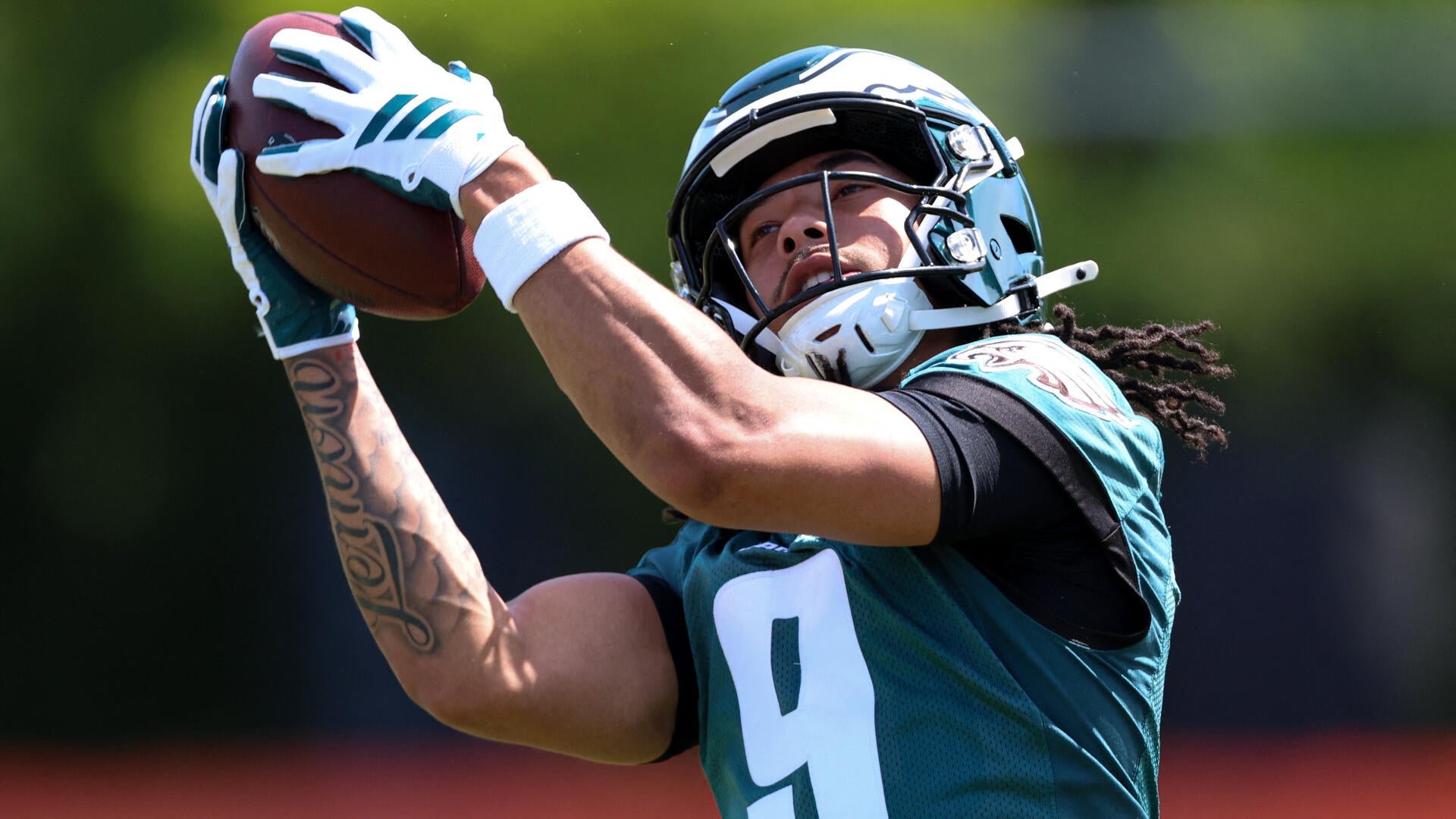
The Kansas City Chiefs used their final pick in the 2026 NFL Draft to select former LSU quarterback Garrett Nussmeier in the seventh round on Saturday — a move that reads less like roster-building and more like a futures contract on a player the organization believes can develop into something more than his draft position suggests.
Nussmeier himself called it a fulfilling moment, telling ESPN after being selected that he had been waiting for this opportunity, that Kansas City felt like a great spot for him. The phrasing matters. This was not a player blindsided by his fall through six rounds of picks. He expected the wait. He prepared for it. And he apparently saw the Chiefs' offensive infrastructure as exactly the right landing zone for whatever comes next in his career.
The Seventh-Round Calculus
Seventh-round picks are largely ceremonial in the modern NFL's resource-allocation logic. The compensatory formulas that govern most selections at this stage of the draft produce players who often end up on practice squads or not making rosters at all. Teams use these picks to address positional depth, take flyers on medical redshirt prospects, or — more cynically — satisfy fan bases by drafting a local product or filling a media-requested name.
Kansas City's decision to spend their final selection on Nussmeier falls somewhere between the second and third category. He is not a local Kansas product. He is a former Penn State transfer who rebuilt his college career at LSU before injuries derailed his final collegiate season. He is, by any reasonable measure, a developmental quarterback with a defined medical history and a series of questions about durability that teams across the league apparently answered with a de-prioritization.
That de-prioritization is not necessarily a verdict on talent. NFL decision-makers spend significant resources evaluating medical risk alongside physical tools. A quarterback who has undergone shoulder surgery — which Nussmeier's injury history suggests — enters the draft evaluation process with a different profile than one who has missed time due to less structural concerns. The seventh-round territory in which Nussmeier landed reflects both the market's skepticism about his health and the limited number of picks Kansas City had to allocate toward a position group that was not a primary need.
Kansas City's Backup Quarterback Situation
The Chiefs entered the 2026 draft with Patrick Mahomes entrenched as their starter and a depth chart behind him that offered limited proven alternatives. The NFL's reality is that backup quarterback quality matters enormously in any given season — the difference between a team that survives an injury and one that collapses is often determined by who steps onto the field in week three or four when the starter is unavailable.
Kansas City has been in the latter position before. The 2025 season included stretches where offensive consistency flagged partly because the backup options lacked the arm talent to execute the full playbook. Drafting Nussmeier does not solve that problem — he is not a plug-and-play contributor — but it does create a pathway for the organization to develop a quarterback within their system over the course of a season or two.
The financial commitment is negligible. A seventh-round pick carries a cap charge that amounts to a rounding error for any NFL franchise. The real cost is roster space, coaching attention, and the opportunity cost of not using that spot on a player who might contribute immediately. But the upside — developing a quarterback who could serve as a reliable backup or become a trade asset — is substantial enough to justify the minimal investment.
The Waiting Game That Defined Nussmeier's Draft Process
What stands out in Nussmeier's post-selection remarks is the emphasis on waiting. NFL draft analysts spend considerable energy projecting which players will be available at specific pick slots, and a player who understood he would wait through the bulk of the draft process had to reconcile the emotional reality of that experience with the professional reality of what it signals about how the league views him.
For Nussmeier, the wait ended in a spot that offers more than most seventh-round destinations. Kansas City's offensive system has produced multiple quarterbacks who developed into capable starters or high-quality backups under head coach Andy Reid's staff. The organization's track record with player development — particularly at the quarterback position — is among the best in the league. A player falling to round seven because of medical concerns but landing in a system known for maximizing those concerns has arguably landed in a better long-term situation than a player selected in the fourth round by an organization with limited infrastructure to develop them.
The Stakes — For Both Sides
For the Chiefs, the Nussmeier selection is a low-stakes bet with real optionality. If he develops into a competent backup who can execute the offense if called upon, the franchise has quietly added depth at a position where the difference between adequate and inadequate defines postseason trajectories. If he becomes a trade asset in two years, the return on a seventh-round pick could exceed what the team could have extracted by simply signing a veteran backup in free agency. If he does not develop, the loss is measured in draft capital that was never going to produce a starter-level contributor anyway.
For Nussmeier, the stakes are more personal and more immediate. He enters an organization that has demonstrated it can develop quarterbacks into contributors who outperform their draft position. He enters a room where the starter's arm talent and decision-making set the standard for everything the offense does. And he enters a 2026 season with something to prove to the team that took a chance on him when six full rounds of decision-makers passed.
Whether Nussmeier ever becomes a significant contributor in the NFL remains genuinely uncertain. The medical history, the inconsistent play at LSU, the questions about durability — all of these are real. But the Chiefs saw enough to spend a pick on him, and the player himself told ESPN he saw the fit as a great opportunity. The next evaluation will come during organized team activities, where the organization will assess his arm, his processing speed, and his ability to handle the physical demands of the position after shoulder surgery.
The wait is over. What comes next is up to him.