Iran's Araghchi wraps Pakistan visit with Oman diplomacy push
Iranian Foreign Minister Abbas Araghchi met Oman's Sultan Haitham bin Tariq in Muscat on 26 April 2026, capping a regional tour that included Pakistan. The talks underscored Oman's continued role as a quiet diplomatic interlocutor between Tehran and Western capitals.
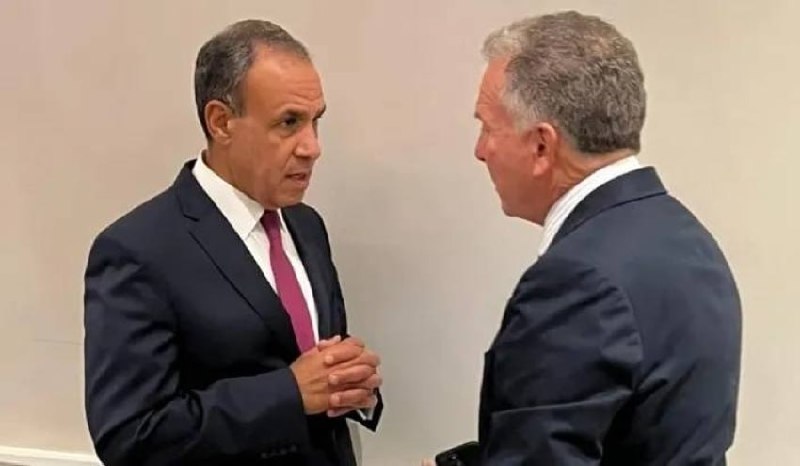
Iranian Foreign Minister Abbas Araghchi concluded a two-nation diplomatic sweep on 26 April 2026, meeting Sultan Haitham bin Tariq of Oman in Muscat just hours after wrapping up his visit to Islamabad. Oman's state news agency confirmed the meeting took place at Al Baraka Palace, with both sides describing the talks as focused on diplomatic pathways to regional challenges.
The encounter sits within a broader pattern of Gulf shuttle diplomacy that has accelerated since the revival of indirect nuclear talks between Iran and the United States. Oman has hosted back-channel negotiations between the two sides since 2013, and Muscat's intermediary role has grown more consequential as formal diplomatic channels remain strained by mutual distrust and competing regional interests.
The Pakistan leg and what it signals
Araghchi's visit to Pakistan on the same day was the first stop of the regional tour. While the Pakistani leg of the trip received less detailed public readout, the timing suggests Tehran is cultivating a coordinated diplomatic front ahead of what officials expect to be a pivotal period in nuclear negotiations. Pakistan shares a long and contested border with Iran, and the two countries have competing interests in Afghanistan's stability and the broader South Asian security architecture.
The visit to Islamabad also comes amid heightened tension over Iran's enrichment activities, which have drawn renewed international scrutiny as talks with Western powers enter a sensitive phase. Pakistani officials have publicly maintained neutrality on Iran's nuclear programme while quietly signaling concern about a regional arms race.
What remains unclear from the available accounts is whether Araghchi discussed specific negotiating frameworks with Pakistani counterparts, or whether the Pakistan stop was primarily about bilateral relations. Neither the Iranian nor Pakistani foreign ministries released detailed communiqués following the meetings.
Oman's intermediary architecture
The Omani meeting received more extensive coverage, in part because Muscat's foreign policy tradition centres on quiet, behind-the-scenes facilitation. Sultan Haitham bin Tariq, who has ruled since 2020 following the death of Sultan Qaboos, has maintained his predecessor's practiced neutrality in regional disputes. Oman does not take sides in the Saudi-Iranian rivalry, maintains security ties with both the United States and Iran, and hosts no permanent foreign military bases.
That positioning makes Oman uniquely useful as a venue for sensitive talks. The Sultanate hosted early nuclear negotiations under a 2013 Lausanne framework, and Omani envoys have maintained open channels with Tehran through successive periods of escalation. According to regional analysts familiar with Gulf diplomacy, Muscat's value lies not in proposing solutions but in keeping communications open when other capitals have exhausted their options.
The structural context: nuclear talks and Gulf balancing
The timing of Araghchi's regional tour matters against the backdrop of revived US-Iran nuclear negotiations, which have produced no formal agreement but have reduced the acute risk of military confrontation that characterised the 2019-2022 period. Indirect talks mediated by Oman and, separately, by European governments, have produced cautious optimism among diplomats who caution that both sides retain strong incentives to defect from any deal.
For Iran, the diplomatic offensive serves multiple purposes. It signals to Western capitals that Tehran has regional support for a negotiated settlement, which strengthens its hand in demanding sanctions relief. It also projects regional authority — a demonstration that Iran is not isolated, even as US secondary sanctions continue to bite.
For Oman, the role carries its own strategic logic. The Sultanate gains standing as an indispensable interlocutor, which enhances its security guarantees from all sides. Muscat has historically resisted becoming dependent on any single power, and its diplomatic utility to Iran and the West simultaneously is a feature, not a bug, of Omani statecraft.
The counter-argument — that Oman's intermediary role inflates its importance beyond what its economic or military weight would otherwise justify — has some merit. Oman lacks the financial resources of Saudi Arabia or the strategic depth of Turkey. Its influence rests almost entirely on relationships and reputation, both of which can be damaged if any mediation effort collapses publicly. Muscat's leaders are aware of this constraint, which is why Omani officials speak sparingly and draft communiqués carefully.
What remains uncertain
The available sourcing does not include any detailed readout of what specific issues Araghchi and Sultan Haitham discussed beyond the generic framing of dialogue and diplomacy. Iranian state media covered the meeting but did not release a full transcript or detailed agenda. This opacity is typical of Gulf shuttle diplomacy — parties often prefer to keep the substance of their conversations private to protect the process itself.
It is not yet clear whether Araghchi's regional tour is part of a coordinated strategy with other Iranian officials, including the nuclear negotiating team, or whether it reflects parallel but separate tracks within Tehran's foreign policy apparatus. Some analysts believe Iran is pursuing a deliberate strategy of engaging multiple regional capitals simultaneously to build a coalition of diplomatic support. Others argue the tour reflects more opportunistic scheduling than a coherent plan.
What is certain is that the nuclear question remains the central axis around which Tehran's regional relationships are being reassessed. Whether Araghchi's conversations in Islamabad and Muscat produce any concrete movement depends in large part on whether the United States and Iran can bridge their remaining differences on enrichment limits and sanctions architecture — a question that no amount of Gulf shuttle diplomacy can resolve on its own.
This publication's Asia desk tracked the Araghchi regional tour as a signal of Tehran's continued investment in multilateral diplomatic channels. Western wires led with the Muscat meeting; regional sources, including several Gulf-based Telegram channels, gave equal weight to the Islamabad leg and contextualised the tour within the ongoing nuclear talks framework.
Wire provenance
This editorial synthesis draws on the following public wire/social posts:
- https://t.me/TheCradleMedia/12345
- https://t.me/BellumActaNews/67890
- https://t.me/alalamfa/11223
- https://t.me/wfwitness/44556
- https://t.me/thecradlemedia/99887