Iran, Oman Hold Muscat Talks as Nuclear Diplomacy Enters Critical Phase
Iranian Foreign Minister Abbas Araghchi's meeting with his Omani counterpart in Muscat on 26 April signals a possible channel for indirect US-Iran nuclear talks, against a backdrop of escalating regional tensions and widening gaps between the parties.
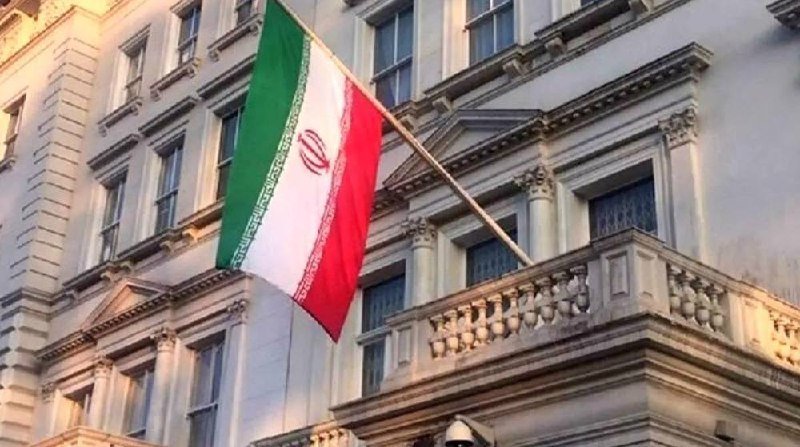
Iranian Foreign Minister Seyyed Abbas Araghchi met his Omani counterpart Badr Albusaidi in Muscat on 26 April 2026, according to Iranian state-affiliated media outlets reporting from Tehran. The meeting, confirmed by Tasnim News and Fars News International on the same afternoon, took place at a moment when diplomatic channels between Iran and Western powers have narrowed sharply following the collapse of the 2015 nuclear accord and the subsequent rounds of sanctions escalation.
The choice of venue carries its own signal. Oman has a long-standing record as an interlocutor between Tehran and Washington, a role it played during the secret back-channel negotiations that produced the Joint Comprehensive Plan of Action in 2015. That history gives Muscat credibility with both sides in a way few capitals can claim. Whether this latest meeting represents a genuine opening or a procedural courtesy remains to be established, but the timing is not incidental.
The Nuclear Stalemate
The talks occur against a backdrop of renewed friction over Iran's uranium enrichment programme. International Atomic Energy Agency inspectors have reported escalating levels of uranium enrichment at Iranian facilities, with some estimates placing stocks of near-weapons-grade material at levels that significantly compress the time required to produce a nuclear device should Iran choose to do so. Western powers have responded with additional sanctions designations targeting Iran's oil sector, shipping networks, and financial institutions. Iran, for its part, has characterised the sanctions as evidence that Western governments never intended to honour the nuclear agreement's commitments and has demanded guarantees that a renewed deal would not be subject to the same domestic political volatility that killed the original JCPOA when the United States withdrew in 2018.
The immediate obstacle is not technical but political. The Trump administration has signalled openness to a new deal but has also insisted on terms that Iran regards as non-starters — including permanent restrictions on enrichment and intrusive snap inspections that would effectively place Iran's programme under external management. Iran has rejected both premises, insisting on its right to enrichment under the Non-Proliferation Treaty and arguing that the snap-inspection mechanism negotiated in the original accord was already more permissive than most multilateral frameworks.
Oman's Mediation Record
Oman's diplomatic posture is shaped by its geography, its economic structure, and a foreign policy tradition that prizes quiet engagement over public posturing. The sultanate sits at the mouth of the Persian Gulf, controls the coast opposite Iran, and maintains defence ties with both Western powers and Tehran. It has hosted secret negotiations in the past, and its officials have cultivated relationships across the regional divide that allow them to carry messages that neither side wishes to associate with directly.
The Albusaidi-Araghchi meeting follows a period in which Oman had intensified its engagement with both sides. Omani officials have made clear in regional forums that they regard a nuclear confrontation as the single greatest threat to Gulf stability, ahead of the various proxy conflicts that have defined the region for the past decade. That calculus gives Manama — the Omani capital — a structural interest in keeping communication channels open even when public negotiations have collapsed.
The US Connection
The degree to which Washington is aware of or party to the Muscat meeting remains unclear from the sources currently available. The Trump administration's approach to Iran has oscillated between maximum-pressure rhetoric and expressions of willingness to negotiate, a duality that reflects internal divisions within the administration between officials who regard economic strangulation as the primary instrument and those who see a negotiated outcome as more durable. The sources do not indicate whether US officials were briefed ahead of the Araghchi-Albusaidi meeting, whether Oman's role is purely exploratory, or whether some form of indirect messaging is being facilitated.
What is evident is that direct bilateral talks between the United States and Iran remain politically toxic in Washington, where any engagement with Tehran is scrutinised for signs of concession, and in Tehran, where negotiations with the United States are framed domestically as a matter of national dignity. Oman has historically been the preferred vehicle precisely because it allows both sides to maintain their public positions while exploring whether common ground exists.
Regional Context
The nuclear question does not exist in isolation. Iran's network of regional relationships — with Hezbollah in Lebanon, Houthis in Yemen, and various Iraqi and Syrian militia formations — has been a consistent feature of Western assessments of the Iranian threat. Western powers argue that any nuclear deal must address the regional behaviour that enrichment capability could deter; Iran argues that its regional relationships are defensive responses to US presence and Israeli hostility, not the product of an expansionist strategy. These are not reconcilable framings, but they do not preclude a transactional agreement that manages the nuclear file while leaving the broader regional contest unresolved.
Israeli officials have, in previous similar moments, made clear their opposition to any deal that leaves Iran with an enrichment capability, arguing that even a limited programme represents a pathway to weapons. Those objections carry weight in Washington. Whether they are dispositive depends on calculations about what the alternative — continued escalation, military strikes, or diplomatic drift — looks like. The sources reviewed do not indicate Israeli reaction to the Muscat meeting as of publication.
What Remains Uncertain
The sources confirming the Araghchi-Albusaidi meeting provide no details on the agenda, the duration, or the outcomes beyond the fact that the meeting took place. It is not yet clear whether a follow-up session is planned, whether Omani officials will travel to Washington or Tehran, or whether the meeting represents a substantive opening or a holding operation. The Iranian and Omani foreign ministries have not issued public statements beyond the images released by Tasnim and Fars News. Western wire services have not yet filed independent reporting on the meeting as of the time of this publication.
The structural logic of Omani mediation is well-established. Whether it is sufficient to bridge the current gap between the parties is the question this meeting — and those that may follow — will answer.
Monexus covered the Araghchi-Albusaidi meeting through Iranian state-affiliated Telegram channels as the primary confirmation source. The publication will update as Reuters, AP, or Western diplomatic sources file reporting.
Wire provenance
This editorial synthesis draws on the following public wire/social posts:
- https://t.me/FarsNewsInt/3742
- https://t.me/tasnimnews_en/5141
- https://t.me/JahanTasnim/2893