Iran Frames Ramadan War Commemoration as Political Signal as Nuclear Talks Intensify
Tehran used a high-profile Ramadan commemoration ceremony in the capital on Saturday to reinforce its anti-imperial framing of the Iran-Iraq war and signal resolve at a moment when nuclear negotiations with Washington have reached a delicate juncture.
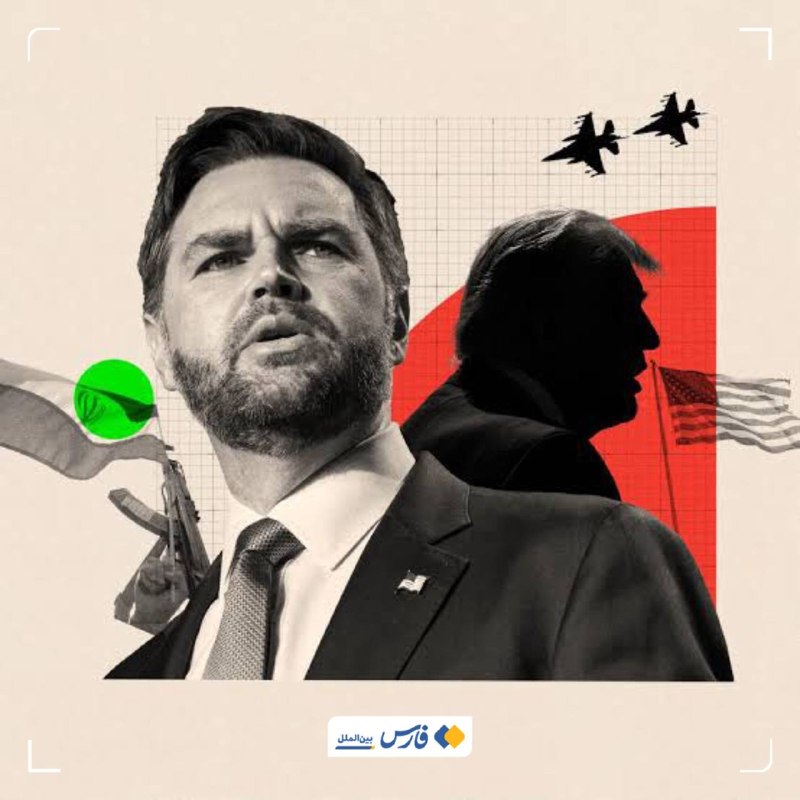
Tehran marked a Ramadan commemoration for the war dead on Saturday, using the occasion to reinforce a political signal as nuclear negotiations with Washington entered a delicate phase.
According to Mehr News, the ceremony drew widespread public participation in the capital and was oriented around Yaqub Soleimani, the cultural and educational deputy of the Martyrs and Veterans Affairs Foundation. The outlet described the event as a commemoration for the "martyrs of the imposed war" — Tehran's standard term for the Iran-Iraq conflict, a framing that casts the eight-year conflict as an externally driven aggression rather than a war between two states.
The framing matters. "Imposed war" is not merely a historical descriptor in Iranian political rhetoric; it is a framework that positions Iran as a victim of external coercion and positions its current posture — including its nuclear programme and regional alliances — as defensive. That narrative runs directly counter to the characterisation coming from Washington and European capitals, where Tehran's nuclear advances and regional activities are framed as the primary source of instability in the Middle East.
Ramadan observances are not unusual in Tehran. What the timing signals is harder to pin down with certainty — the fasting month creates a naturally heightened political atmosphere, and Iranian state media have historically used religious calendars to amplify nationalist messaging. What Mehr News chose to foreground, and what the ceremony emphasised in its official framing, reflects a deliberate editorial choice rather than a random scheduling coincidence.
The ceremony's focus on the Martyrs Foundation — a state body responsible for administering benefits to families of those killed in the Iran-Iraq war — also anchors the event in the veteran support apparatus. That apparatus has political weight beyond commemoration: it represents a constituency that is both numerous and politically active, and whose interests extend into questions of state welfare, military remembrance, and institutional authority.
The underlying tension is familiar. Tehran presents itself as a regional power acting defensively, surrounded by external pressure and historical grievance. Washington and its partners present the nuclear programme as an autonomous threat requiring containment. Neither framing fully captures the other's logic, and both serve domestic political functions that go beyond the immediate dispute.
On the evidence available from Mehr News, the Saturday ceremony was a domestic commemorative event with clear political dimensions. How widely it resonates beyond Tehran's political class — and whether it shifts the regional narrative in any measurable way — is a question the sources do not yet answer. Satellite imagery of the crowd, independent reporting on attendance, or statements from other political actors are not present in the available coverage, leaving the scale of public engagement partly stated rather than fully verified.
The structural pattern here is not unique to Iran. States under external pressure routinely use commemorative calendars to project unity and resolve. What distinguishes Tehran's case is the specific combination of religious timing, war commemoration, and nuclear-era political anxiety that the ceremony was designed to speak to — and the degree to which Western observers treat such events as signals worth reading closely. The question is whether the signal reaches its intended audience, or whether it reinforces existing positions on all sides without shifting the underlying dynamics of the talks.
Monexus covered this event through Mehr News, the primary Iranian state news source. Western wire services had not published independent reporting on the Saturday ceremony as of publication. The framing gap between Tehran's commemorative language and Washington’s containment framing reflects the broader difficulty in calibrating whether events of this kind represent substantive political communication or primarily domestic performance.
Wire provenance
This editorial synthesis draws on the following public wire/social posts:
- https://t.me/mehrnews