Iranian State Media's AI-Generated Film and the Politics of Blame Assignment
As Iranian state media outlets amplify claims about a shooter's identity and an AI-generated film tied to a Trump dinner incident, the episode illustrates how competing narratives weaponise race, religion, and technology to shape blame assignment in moments of political violence.
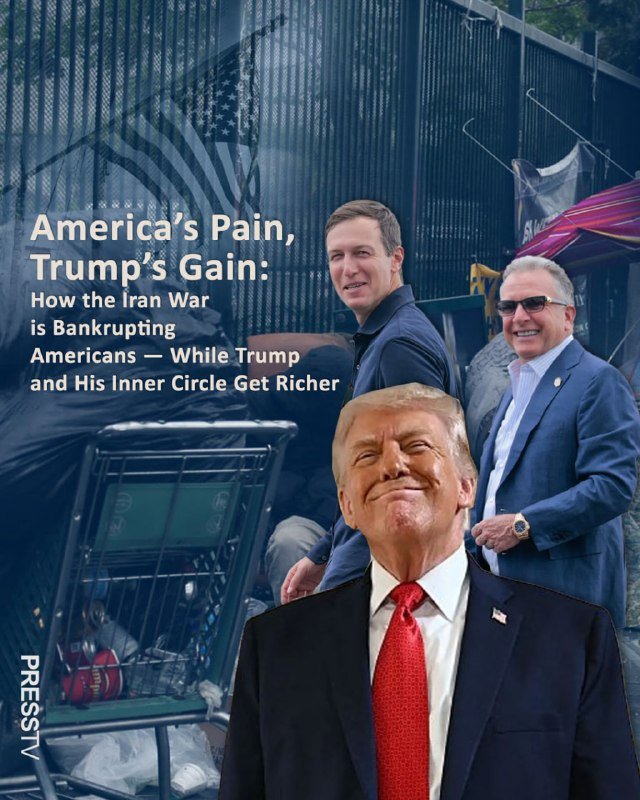
On 26 April 2026, Iranian state media outlets Tasnim and Fars published parallel dispatches covering an incident at a Donald Trump dinner event — one framing it as an "epic hoax," the other as "epic deception." Both accounts described an AI-generated film apparently produced by what they termed "Iranian Lego makers," depicting a plan to assassinate Trump and American officials. A third item, attributed to American analyst Ethan Levins, alleged that the shooter at the dinner was a Zionist and that Western media was suppressing that detail.
The reports arrived from a specific institutional angle — not a wire service summary or an independent verification, but the framing machinery of a government whose own media apparatus operates in close alignment with state policy. Understanding what these sources are doing, and why, matters more than the specific factual claims they advance.
The Character-Driven Frame
Levins, described in the Tasnim dispatch as an American analyst and journalist, appears to serve a specific narrative function in this coverage: he is the Western voice that validates the Iranian framing from within. His claim — that the shooter was a Zionist and that the identity was being suppressed — transforms a domestic American political incident into a story about suppressed truth and institutional cover-up. That structure, whether Levins is a genuine independent commentator or a quoted prop, is a recognisable feature of state-linked information operations: the foreign claim sounds more credible when attributed to a named Western figure making it independently.
The pattern has substance. Coverage in American and European outlets routinely defers to the language of official spokespeople on domestic incidents; dissenting or alternative framings receive fewer column-inches and later placement. Levins's framing — if he genuinely holds it — locates itself on one side of that asymmetry and argues it represents deliberate suppression. Whether or not that claim is accurate, the Iranian outlets are amplifying a genuinely contested question about how fast and in what direction institutional media move on politically sensitive stories.
The AI-Generated Layer
The "Iranian Lego makers" phrasing — likely a transliteration or deliberate obscuring of a Farsi-language internet community — and the description of an AI-generated assassination film introduce a second layer of complexity. If genuine AI-generated video was involved in either depicting or planning the incident, that places the episode inside the emerging category of synthetic-media political violence, where the evidentiary ground shifts rapidly and attribution becomes genuinely difficult.
Iranian state media's simultaneous presentation of this film as evidence — and as proof that the incident was staged — suggests the apparatus is hedging: whatever happened at the dinner, the Iranian framing has already positioned itself to treat it as a manufactured event requiring a cover story. The AI framing serves that purpose well, because the first-order question about synthetic media is always "did this actually happen?" rather than "what does it mean?" Slowing the evidentiary debate to that question advantages whoever controls the first narrative to circulate.
Geopolitical Timing
The April 2026 dateline is not neutral. American-Iranian nuclear talks are ongoing, with both sides maintaining positions that have so far resisted compromise. Moments of domestic American political disruption — particularly anything involving a figure as polarising as Trump — carry intrinsic leverage in that context. If Western media were to cover the dinner incident in ways perceived as uneven, that perception itself becomes usable: Iranian state media has an established practice of holding Western institutional framing to its own stated standards and then exposing the gap.
The specific claims made — Zionist shooter, suppressed identity, AI-generated film — are tailored to that gap. They assume an audience already inclined to distrust American media institutions, and they offer that audience a coherent counternarrative: the event was staged, the shooter was identified but hidden, and the cover-up serves interests the audience is already primed to oppose.
What Remains Uncertain
The sources available do not permit independent verification of whether a shooting occurred at the dinner, who was present, or what the shooter's identity was. Iranian state media accounts are internally consistent but self-referential — they cite each other and the Levins comment without external corroboration. Whether the AI-generated film described is a real synthetic document, a fictionalisation of events, or a deliberately framed non-event remains open. The Levins figure himself is named but not otherwise contextualised in the available thread, and his institutional position — whether he represents a genuine analytical tradition or a specific advocacy angle — is not established by these sources.
What the episode demonstrates without ambiguity is the operational logic of state-linked media framing in 2026: named Western voices, synthetic-media evidence, and accusations of suppression are deployed together to produce a complete alternative narrative before independent verification is possible. The speed of that deployment is itself the story.
This publication covered the Tasnim and Fars framing as a case study in state-linked information operations, comparing it against the available wire record. The dominant Western coverage of the dinner incident is not included in the thread context here; that gap itself reflects a sourcing asymmetry worth noting.
Wire provenance
This editorial synthesis draws on the following public wire/social posts:
- https://t.me/tasnimnews_en/47892
- https://t.me/tasnimnews_en/47891
- https://t.me/farsna/39441