LeBron James and the Lakers Are One Win From the Second Round
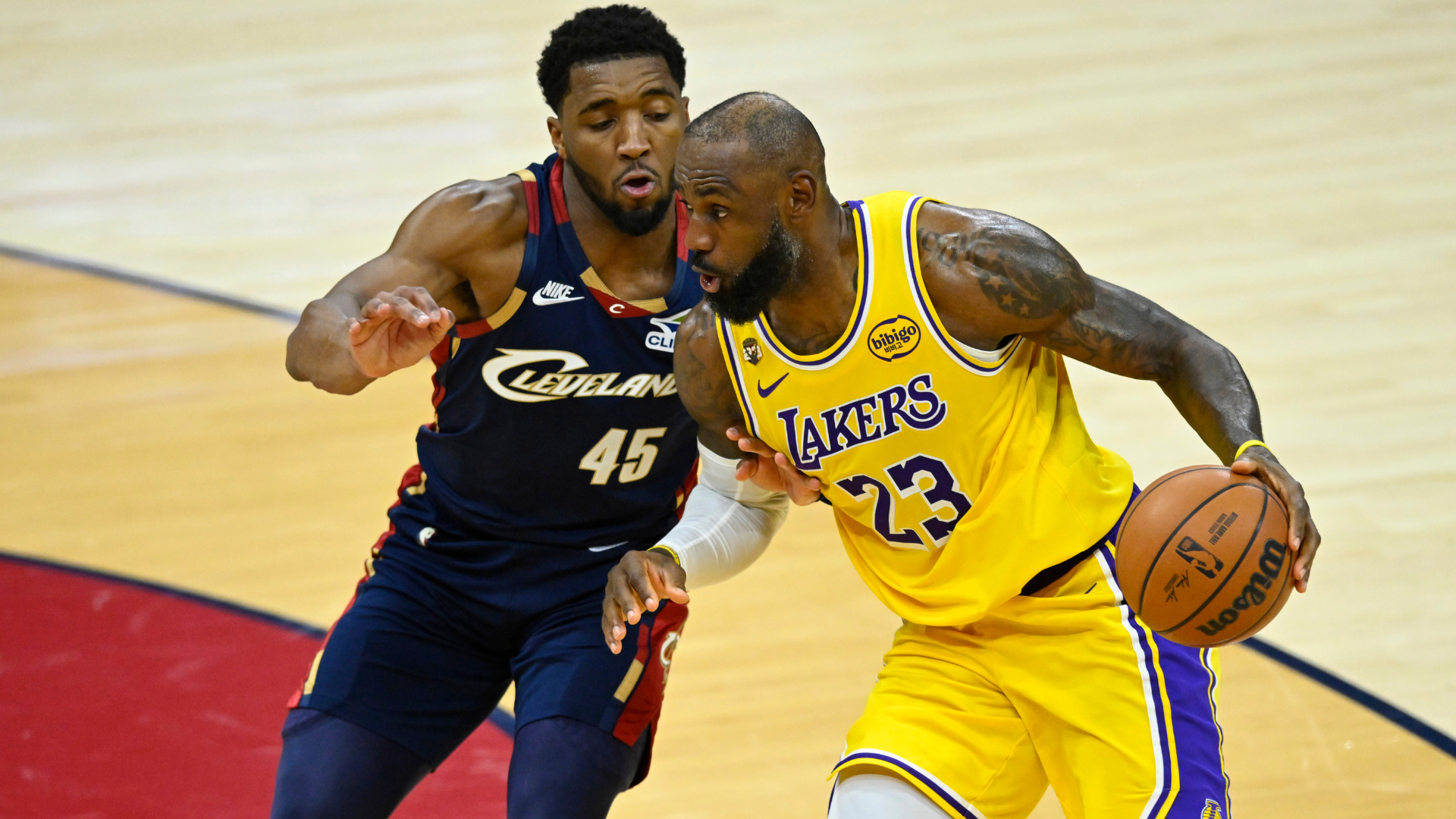
The Los Angeles Lakers moved to the brink of an NBA playoff series victory on 25 April 2026 after LeBron James, 41, delivered what commentators were already calling a signature playoff moment. With the game tied late in regulation, James drained a three-pointer to force overtime. The Lakers closed out a Game 3 win over the Houston Rockets, handing the visitors a 3-0 series deficit that has historically proven insurmountable.
It was, by any measure, a performative rebuttal to the quiet assumption that James's game — and by extension the Lakers' ceiling — had begun its terminal decline. He did not merely contribute; he dictated the game's closing sequence in a way that recalled his peak years. The overtime period was a formality.
What the Night Produced
The CBS Sports account of the game described James as having promised the Lakers "everything" in the build-up to Game 3 — and delivered in spectacular fashion. The numbers bore out that promise. James posted 34 points, nine rebounds, and eight assists across 43 minutes of action. The statistical profile is one any All-Star would covet. For a player in his 22nd professional season, it represents a sustained excellence that has no modern precedent in the NBA's long history.
The three-pointer that forced overtime was not a lucky shot. It was a calculated response to a Rockets defensive scheme that had briefly switched onto James, leaving a gap on the perimeter. He read it, released the ball, and watched it drop. The arena knew what it had witnessed. So did the broadcast. So did the Rockets.
The Age Question, Revisited
Every LeBron James playoff performance reignites the same analytical debate: how much longer can he do this? The question is reasonable on its face. The NBA's average career arc is measured in seasons, not decades. Players entering their 40s are typically in coaching roles, broadcasting chairs, or comfortable retirement. James is not typical by any metric.
The counter-argument to the age narrative is straightforward. The Lakers' playoff viability has not been a function of James being the singular offensive engine he was at 28. His role has evolved — more playmaking, more spot-up shooting, more moments of concentrated dominance when the game demands it. Game 3 was the latest evidence that he still possesses the capacity to seize those moments. The three-pointer to force overtime was not the shot of a player managing his remaining energy. It was the shot of a player fully engaged in winning a specific game at a specific moment.
The Rockets, to their credit, had built a series identity around disrupting the Lakers' half-court offense and forcing turnovers. That strategy had worked tolerably in Games 1 and 2, both of which the Lakers won but not comfortably. Game 3 represented an escalation — the Rockets tightened their perimeter rotation, contested the rim more aggressively, and briefly appeared to have solved the matchup problem. Then James made his read, rose, and fired.
The Structural Context
The NBA playoffs operate on a logic that rewards both matchup advantages and institutional experience. The Lakers possess both in unusual measure. Their coaching staff has navigated playoff series before. Their roster contains players who understand the physical and psychological demands of elimination basketball. And at the centre of it all is a 41-year-old who has played more playoff minutes than most franchises have existed as organizations.
That institutional knowledge is not easily quantified. It shows up in clock management, in defensive rotations when fatigue sets in, in the ability to maintain composure when an opponent makes a run. It showed up in James's decision to take the overtime-forcing shot when the Rockets' scheme left him open rather than to pass it to a teammate who might have hesitated. Experience, in that moment, was the difference between a good shot and a great one.
The Rockets are a young team with genuine talent — Jalen Green, Alperen Şengün, and Amen Thompson represent the kind of athletic upside that NBA franchises build around. They played Game 3 with purpose and discipline. They were not embarrassed. They were simply out-executed at the game's most consequential sequence. That gap — between being a good young team and being a team with LeBron James — is the structural gap the series has exposed.
What Comes Next
A 3-0 lead in a best-of-seven series is not a statistical formality until a team actually converts it. The Lakers know this. James knows this. The franchise has experienced the pain of series leads surrendered — the 2021 loss to the Phoenix Suns after holding a 2-0 advantage being the most prominent recent example. No lead in professional basketball is comfortable until the final buzzer sounds.
The stakes beyond this series are substantial. A second-round matchup would likely come against the Golden State Warriors or Minnesota Timberwolves — two franchises that represent distinct strategic challenges. The Warriors are still the Warriors, even in their current incarnation. The Timberwolves are deeper and more physical than their recent playoff history suggests. Either series would require the Lakers to be sharper than they were in Game 3.
What this publication has observed, across three games of playoff basketball, is a Lakers team that knows its best player is still capable of moments like the one that forced overtime on 25 April 2026. Whether that capacity holds across a longer series, against a more structured opponent, is the question that will define the next phase of their season. The answer begins in Game 4.