Markets Are Pricing an Iran Deal. Washington Is Sending a Different Signal.
Prediction markets put the odds of a US-Iran diplomatic meeting at 26% — but the Treasury's freeze of $344 million in Tether tokens suggests enforcement teeth that contradict the optimism.
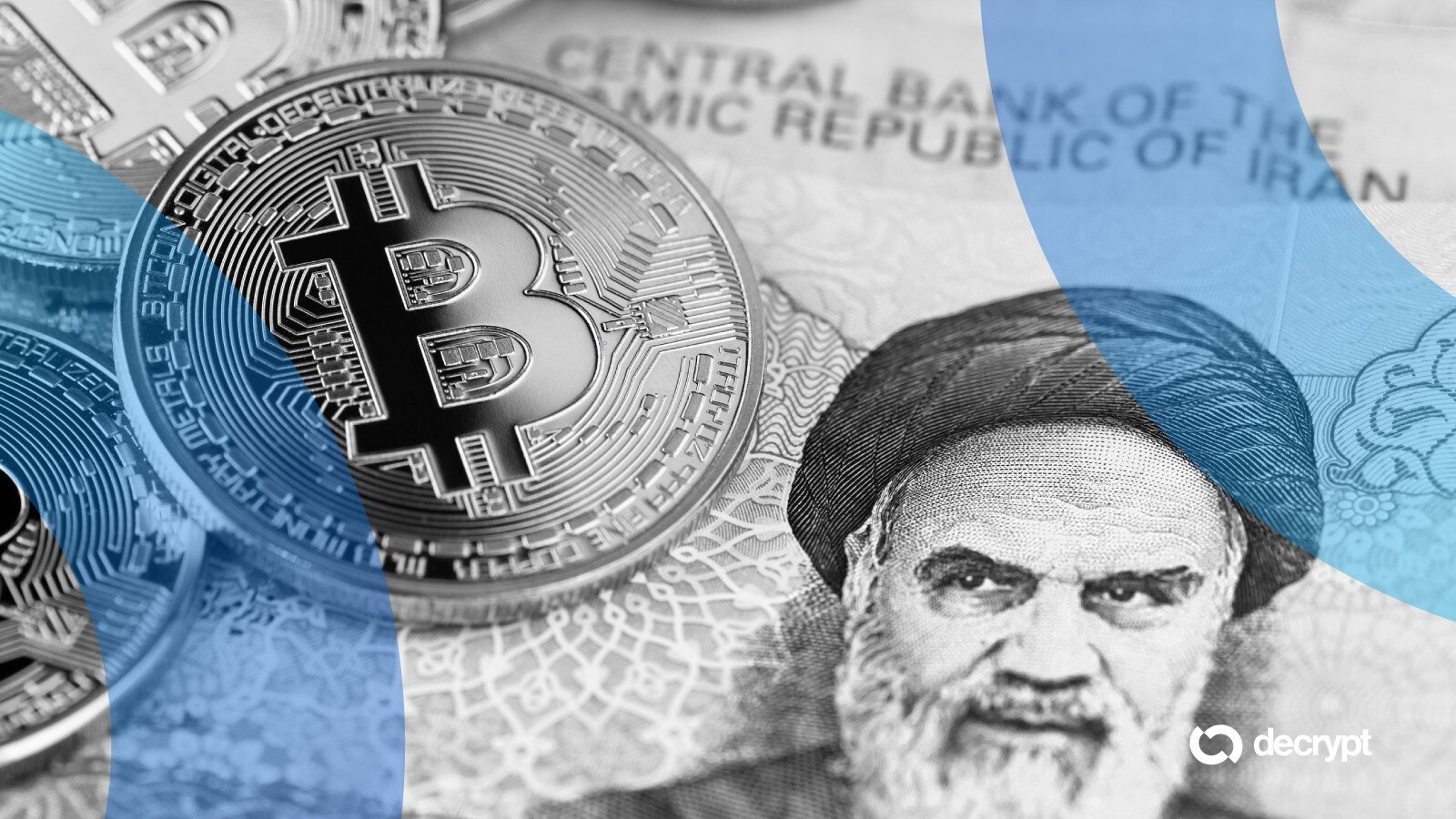
On 24 April 2026, the United States Treasury moved to freeze $344 million in Tether's USDt stablecoin — funds the department said were linked to Iranian actors. The action came one day after Tether itself announced it had locked the same amount in response to a US law enforcement request. By the following week, prediction markets were still assigning a 26 percent probability to a US-Iran diplomatic meeting before the end of the month, and a 43 percent probability to Iran surrendering its enriched uranium stockpile before year's end. The gap between those two numbers — the optimism on the screen and the enforcement on the ground — defines the central tension in Washington's current Iran posture.
The freeze represents one of the largest single-day seizures of dollar-denominated stablecoin assets connected to a US-sanctioned jurisdiction. Stablecoins were designed, in part, to operate outside the traditional correspondent banking system — a blockchain-based alternative to SWIFT that proponents argued would be resistant to political interference. The Tether action suggests that promise is incomplete at best. When US authorities want to restrict dollar-adjacent digital assets, they have mechanisms that extend beyond conventional banking channels. Tether's compliance team, operating under a US legal obligation to honour law enforcement requests, became the enforcement arm of American sanctions policy.
The structural irony is hard to miss. Bitcoin, the original cryptocurrency, was born partly out of frustration with the 2008 financial crisis and the ability of central authorities to freeze accounts. Tether, the largest stablecoin by market cap, now holds roughly $140 billion in assets — most of them invested in US Treasuries and money-market instruments — and has become a preferred on-ramp for users in countries under sanctions. The asset that was supposed to be outside state control has, through its own adoption, become deeply embedded in the dollar system it was meant to circumvent. When the freeze came, it came not because Tether was compelled by some novel blockchain mechanism, but because Tether's legal structure gives it a US-facing entity that must answer to US law.
The market's response to the geopolitical backdrop has been striking in its own right. Bitcoin is on track for its best monthly performance in a year, driven in part by $5 billion in new USDt issuance — a proxy for capital flowing into the broader crypto ecosystem. Traders cited strong corporate earnings season as outweighing Iran risk for now. One widely circulated analysis suggested that equity and digital-asset markets had, in recent weeks, "stopped caring" about Iran war headlines. Whether that reflects genuine de-escalation expectations or simply a market that has become numb to Middle Eastern risk is a question the current pricing does not resolve.
The Polymarket odds deserve scrutiny on their own terms. Prediction markets are not polls; they reflect the risk appetite of a specific cohort of users willing to stake real money on geopolitical outcomes. A 26 percent probability of a diplomatic meeting by 30 April is not a forecast — it is a market clearing price for uncertainty. The same platform assigns only 43 percent odds to Iran actually surrendering its enriched uranium this year, which suggests the market sees a meaningful gap between a photo-opportunity handshake and a substantive nuclear deal. The uranium surrender metric is arguably the more consequential figure: it is the specific American demand that Iran has repeatedly called a red line, requiring it to dismantle years of enrichment infrastructure in exchange for sanctions relief. A 57 percent implied probability that Iran does not comply is not a ringing endorsement of deal imminent.
There is a second layer of ambiguity in the enforcement picture. The Treasury freeze targets financial infrastructure, not the nuclear programme directly. American sanctions law currently covers a broad range of Iranian economic activity, from oil exports to financial services to technology procurement. The stablecoin freeze fits an established pattern of using dollar-adjacent choke points to pressure Tehran. Whether that pressure is calibrated to support diplomacy or to foreclose it is a question the available public record does not answer. US officials have not commented publicly on whether the freeze was coordinated with any ongoing back-channel talks.
The global South dimension of this story is worth noting, even briefly. USDt is the dominant stablecoin in several economies where the local currency is volatile and banking infrastructure unreliable — including in neighbour states adjacent to Iran. Any restriction on Tether flows affects those users disproportionately, whether or not they have any connection to sanctions-relevant activity. This is the structural cost of using dollar-adjacent infrastructure as a geopolitical lever: enforcement lands on the entire payment layer, not only on the targeted actors. Iranian civilians and traders in nearby markets who rely on USDt for basic commerce are exposed to collateral damage that a seizure of oil tankers or a SWIFT cutoff would not reach in the same way.
Looking forward, the interaction between prediction markets, stablecoin supply, and Treasury enforcement actions will be worth monitoring. If a diplomatic meeting materialises before the end of April — a low-probability but not zero outcome by the market's own estimate — it will likely produce an immediate rally across risk assets, including crypto. If it does not, the focus will shift back to whether enforcement actions are building leverage for a later deal or are themselves a substitute for one. The $344 million freeze is not, on its own, a negotiating position. But it is a reminder that the dollar's reach extends into every corner of the financial system, including the ones that claimed to have left it.
This publication covered the enforcement angle and market pricing together rather than treating them as separate stories — a synthesis that most wire reporting covered as parallel tracks rather than a single narrative.
Wire provenance
This editorial synthesis draws on the following public wire/social posts:
- https://x.com/polymarket/status/1915423456786956338