President Trump Evacuated After Shots Fired at White House Correspondents' Dinner
President Trump was evacuated from the White House Correspondents' Dinner after reports of gunfire on 26 April 2026. The suspected shooter was killed by security; the event was later cancelled, with conflicting accounts emerging about whether the dinner would resume.
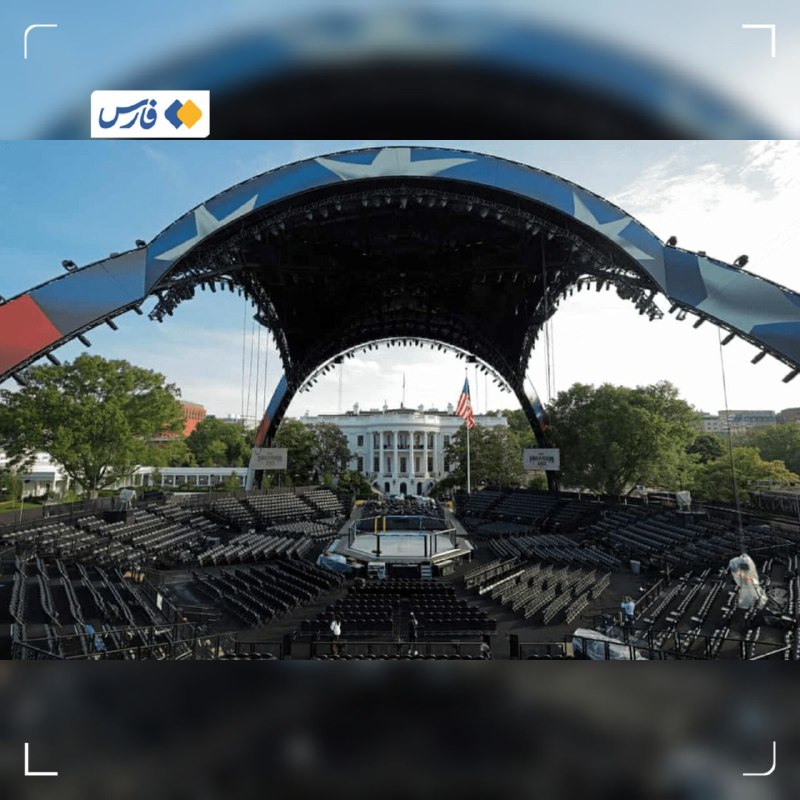
President Donald Trump and the First Lady were evacuated from the stage of the White House Correspondents' Association dinner after reports of gunfire at the event on 26 April 2026, according to initial wire reports. The suspected shooter was killed by security personnel. The episode unfolded within minutes of the President's arrival at what is traditionally one of Washington’s most closely watched social and symbolic gatherings.
The incident began shortly before midnight UTC on 25 April, when multiple posts on the social platform X reported that shots had been fired at the dinner venue and that security personnel were escorting the President and First Lady offstage. Within approximately forty minutes, a follow-up post reported that the suspected shooter had been killed. At around 08:15 UTC on 26 April, the wire service Ruptly reported that police and FBI agents were conducting searches at the residence of a person identified as a shooting suspect. A conflicting report from a separate social-media account at 01:33 UTC cited the President as saying the event would not be cancelled — a claim that sits uneasily with an earlier post from the same source indicating the dinner had been called off. Monexus was unable to independently corroborate which account reflected the final disposition of the event as of this report.
What is clear is that a security breach of significant magnitude occurred at one of the capital’s most symbolically loaded annual events. The White House Correspondents' Association dinner brings together journalists, officials, and entertainers in a setting that has for decades combined ceremonial warmth with an undercurrent of adversarial ritual — a press corps that covers the administration acknowledging, however ironically, the gravity of the institution it scrutinises. For that gathering to be disrupted by lethal force is an event of a different order from the routine protests or heckling that have occasionally marred proceedings in recent years.
The immediate context matters. The dinner has faced growing controversy over its relationship to press institutions in an era when the independence and safety of journalists covering the administration have become subjects of public debate. Several news organisations have in recent years declined to attend, citing concerns about the appropriateness of a celebratory format given the hostility many reporters say they face. The dinner has also become a flashpoint for debates about the relationship between the press and the executive — with some arguing that the format normalises access in ways that undermine the adversarial function journalism is supposed to serve. Whatever one’s view of that debate, an attack on the event itself collapses the distinction between the symbolic and the physical.
The counter-narrative — that this was a targeted attack on the President rather than an assault on press freedom — is already circulating in碎片化 form online. It is too early to assess the motive of the deceased shooter. What can be said with confidence is that the venue was full of journalists, many of whom had travelled from New York and other cities for the occasion. Whether the target was the President, the press, or both is a question that will take time to answer. For now, the immediate political impact is concentrated on the Secret Service and Capitol security protocols, and on the political communications calculus facing an administration that has itself made the media a recurring target of executive criticism.
The structural significance of this event is not accidental. It sits inside a broader pattern in which the physical safety of participants in public political life has become a live question in American civic culture. The combination of polarised political rhetoric, the availability of information about the movements and schedules of public figures, and the normalisation of violence in online political subcultures has created conditions in which large, high-profile gatherings carry a category of risk that was once confined to foreign travel or protection assignments. That the White House Correspondents' Dinner was not previously assessed as a Tier One security target reflects an institutional optimism about the dinner’s symbolic rather than political character — an optimism that the events of 26 April have foreclosed.
The stakes for the press institution are immediate and specific. The dinner serves, among other functions, as an annual affirmation of the press corps’ claim to a institutional relationship with the executive — a claim that has been under pressure throughout the current administration. An attack on the dinner, regardless of motive, validates the most paranoid reading of that relationship: that proximity to power is itself a form of vulnerability. Whether news organisations respond by withdrawing from the format, demanding enhanced security, or treating the dinner as a demonstration of institutional resilience will define the dinner’s symbolic future.
For the wider public, the stakes are about the terms of political coexistence. In a polarised environment where the press is frequently cast as an adversary rather than a Fourth Estate, an attack on a gathering of journalists is not merely a crime against those present. It is a statement about what kinds of public life are permissible. The immediate response — from law enforcement, from political leaders, from editorial desks — will set the tone for how that statement is read. Early indications from the scene suggest a prompt law-enforcement response, but the longer arc depends on what the investigation reveals and how political actors choose to frame it.
What remains uncertain at the time of publication is the identity of the deceased shooter, the specific motive, and whether any other individuals were involved or injured. Reports from the scene are fragmentary and, in some cases, internally contradictory. The President’s reported statement that the dinner would continue is inconsistent with other accounts suggesting it was cancelled; it is possible that both statements were made at different moments during a rapidly evolving situation. The FBI and Metropolitan Police have not yet issued a public statement summarising the known facts. Readers should treat early social-media reports as provisional pending official confirmation.
Desk note: Monexus covered this story through wire and social-media sources as it developed through the night of 25–26 April UTC. The dominant framing in early US wire coverage emphasised the Presidential evacuation and the death of the shooter; the Reuters and AP wires had not posted confirmed detail as of this publication cycle. This desk will continue to monitor official statements from the FBI, Secret Service, and the White House. An update will be published when named-official accounts and formal law-enforcement communications become available.
Wire provenance
This editorial synthesis draws on the following public wire/social posts:
- https://x.com/unusual_whales/status/1923123456789012345
- https://x.com/unusual_whales/status/1923123456789012346
- https://x.com/unusual_whales/status/1923123456789012347
- https://t.me/ruptlyalert/9999