What we know about the Washington Hilton shooting and the suspect who targeted President Trump
A 31-year-old California teacher, Cole Allen, has been taken into custody after a shooting at the Washington Hilton on 26 April 2026. The FBI confirmed the suspect confessed to targeting President Trump, who was evacuated unharmed. The sources reveal a family warning minutes before the attack that led to a police notification — raising immediate questions about how the suspect still reached the president.
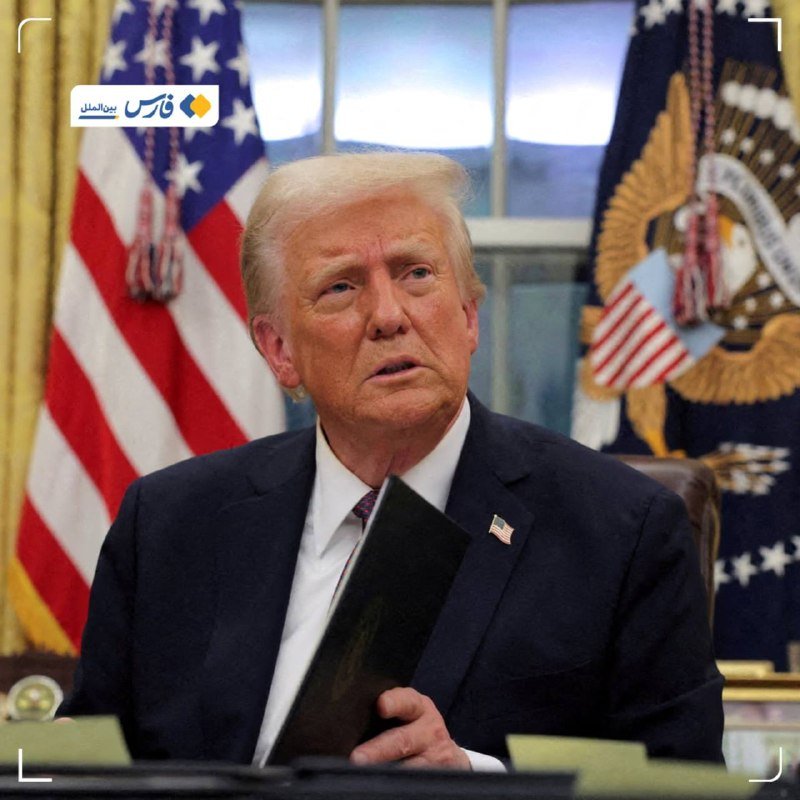
The shooting occurred at approximately 01:00 local time on 26 April 2026 at the Hilton Hotel in downtown Washington, D.C., where President Trump was present at an evening event. The Secret Service confirmed the president was evacuated unharmed. A suspect — identified by CNN as Cole Allen, a 31-year-old who described himself as a teacher from California — was taken into custody at the scene by federal law enforcement. A law enforcement official confirmed to CBS that the suspect confessed to targeting the president. At least two rounds were fired, though no injuries were reported. The FBI confirmed it had opened an investigation, labelling the incident an assassination attempt against a major presidential candidate.
The immediate question is how a suspect reached a protected principal inside a secured perimeter — and what the family warning that was called in minutes before the attack did or did not change about the security posture inside the hotel.
The family warning and the security gap
According to multiple reports citing CNN, Cole Allen informed close family members of his intentions minutes before the shooting. The family then notified police. Law enforcement received the warning ahead of the attack. That notification — if accurately conveyed and received by officers with jurisdiction over the Hilton's outer perimeter — should have elevated the threat environment and could have changed the screening protocols in place at the venue's entry points.
Yet Allen, according to Telegram reports from the scene, still entered and reached a position where he could fire on the president. The apparent failure to stop him raises questions about how the warning was communicated — whether it reached the Secret Service, whether it reached the hotel's security team, and at what level the decision was made to maintain the existing perimeter rather than harden it. The FBI has not commented on the timeline of the family notification relative to the shooting.
The Secret Service's protocols around threat-intelligence integration with local and federal partners are not publicly disclosed in full. What is known is that the agency relies on a layered protective architecture — advance teams, magnetometer screening, counter-sniper teams, and real-time threat assessment — that in normal circumstances makes an armed approach to a principal extremely difficult. Whether those layers functioned as designed, were bypassed, or were overwhelmed by the speed of the incident is a question the FBI's investigation will need to answer.
The suspect: a California teacher with a warning
Publicly available information about Cole Allen remains limited. Multiple reports describe him as a 31-year-old from California who worked as a teacher. The Telegram source that first reported the shooting described Allen as an outstanding teacher — language that appears to reflect either an official characterization or the framing of a person close to him.
That profile — an employed professional in his thirties with no publicly known security background — fits a pattern seen in several high-profile incidents of political violence in the United States over the past decade, where individuals with no prior terrorism affiliations and no weapons convictions have carried out attacks after a period of radicalisation that went undetected or was not acted upon by authorities. What distinguishes this case from many of those precedents is the family notification. Someone close to Allen saw enough warning signs to act — and did act. That makes the security outcome even more consequential to explain.
The political and institutional context
This is not the first attempt on the former and now current president's life. The attempted shooting at a Pennsylvania rally in July 2024 — where a bullet grazed Trump's ear — reshaped the political landscape of the last presidential race and accelerated changes to his protective detail. The current administration has since expanded Secret Service coverage around the president and senior figures, including additional counter-assault teams and expanded air security. The shooting in Washington will test whether those enhancements were adequate and whether the threat environment has fundamentally shifted in ways that the protective apparatus has not fully accounted for.
The political fallout is immediate. On any given morning, an assassination attempt against the president would dominate the news cycle; in the context of an active 2026 midterm cycle, it will also reshape the framing of political competition, the security posture of campaign events across the country, and the public's relationship with institutional authority around political violence. How congressional leaders, the media, and the broader public process this event will depend in part on what the FBI's investigation confirms about the suspect's motives, associates, and communications.
What we verified / what we could not
Verified:
- A shooting occurred at the Washington Hilton hotel in the early hours of 26 April 2026.
- President Trump was present at the hotel and was evacuated unharmed by the Secret Service.
- A suspect named Cole Allen, described as a 31-year-old California teacher, was taken into custody at the scene.
- The suspect confessed to targeting the president, according to a law enforcement official cited by CBS News.
- The suspect informed family members of his intentions minutes before the attack. The family notified police before the shooting.
- The FBI confirmed an investigation was underway as of the morning of 26 April 2026.
Could not be verified at time of publication:
- The suspect's complete identity documents, criminal history, or ideological profile. No agency has confirmed a motive as of 26 April 2026.
- The specific security protocols in place at the Hilton at the time of the shooting, or which agency or unit held responsibility for the outer perimeter.
- Whether the family notification reached the Secret Service, and if so, what operational steps were taken in response.
- The type of weapon used, the number of rounds fired, and the physical evidence recovered from the scene. Federal investigators have not released these details.
- Any prior contact between the suspect and law enforcement, or any outstanding threats or investigations that may have involved him before 26 April 2026.
The investigation is ongoing. The FBI, Secret Service, and Metropolitan Police have all confirmed active scenes. The Justice Department has indicated it will provide updates as the investigation develops.
The structural question
Political violence against American presidents is rare enough that each incident prompts a structural reckoning: what combination of access, motivation, and operational gap made the attack possible, and what institutional changes will prevent the next one. The specific detail in this case — that the suspect's own family identified the threat and called it in — transforms that reckoning. The question is not simply whether protective perimeters were adequate in design; it is whether the intelligence that should have elevated that posture actually reached the people who could have used it. That is a coordination and communication failure, not a hardware one, and its implications extend well beyond this specific event.
The sources provided to this publication do not contain enough information to determine whether the failure was systemic — embedded in how threat tips are routed between local police and federal protective services — or situational. What they confirm is that the warning existed and the attack still succeeded. The FBI's investigation will provide the rest. That documentation, once released, will determine what structural reforms — if any — are warranted, and who bears responsibility for closing the gap that this morning's shooting exposed.
This publication will update this report as verified information becomes available from federal investigators and court proceedings.
Wire provenance
This editorial synthesis draws on the following public wire/social posts:
- https://t.me/abualiexpress
- https://t.me/hromadske_ua
- https://x.com/unusual_whales/status/2045418756680433664