Iran's Araghchi Flies to Moscow on a Plane Named for 168 Dead Schoolchildren
Iranian Foreign Minister Abbas Araghchi arrived in Moscow on 27 April aboard a aircraft bearing the name of 168 children killed in a US strike on an elementary school — a symbolic gesture that signals Tehran's continued diplomatic recalibration as nuclear talks with Washington remain suspended.
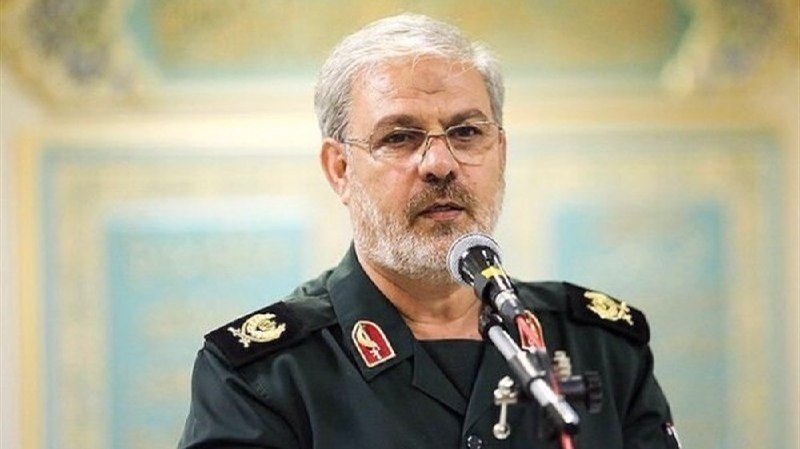
Iranian Foreign Minister Abbas Araghchi touched down in Moscow on the morning of 27 April 2026 aboard a commercial flight that carried a designation few in Tehran would regard as ordinary. The aircraft bore the name Minab 168 — a direct reference to the 168 children killed, according to Iranian accounts, in a United States military strike on Minab Girls' Elementary School in Sistan and Baluchestan Province. The choice of aircraft was not incidental. It was a statement, calibrated for an audience both foreign and domestic.
The visit comes as direct negotiations between Iran and the United States remain suspended. Araghchi had been scheduled to hold talks with US officials in Pakistan — a venue chosen, according to the Iranian foreign ministry, because bilateral channels through official diplomatic channels were no longer available. Those talks were cancelled. The reason for the cancellation was not immediately confirmed by all sources, but the framing from Tehran cast the breakdown as another data point in a larger confrontation Washington has styled a "Ramadan war" against Iran.
The Minab Symbol and What It Carries
The decision to fly aboard an aircraft named for civilian casualties is consistent with how Iran has communicated its grievance narrative since the escalation of US pressure. The Minab Girls' Elementary School strike — attributed by Iranian authorities to US operations — has become a recurring reference point in Tehran's diplomatic rhetoric. By chartering a flight commemorated in that name, Araghchi was not simply choosing a mode of transport. He was bringing the weight of that loss into the room before a single formal meeting had begun.
Iranian state media, including the Tasnim News Agency, reported the arrival without equivocation on the significance of the flight designation. The coverage framed the visit as a continuation of what Tehran describes as its independent foreign policy course — one that does not pivot on permission from Washington or any other capital. "We have always had close consultations with Russia, especially on regional issues," Araghchi said in a statement carried by Iranian news services on 27 April.
The Diplomatic Vacuum and Who Fills It
The immediate context for this visit is the collapse of what had tentatively been described as a nuclear talks process between Iran and the United States. Negotiations have been intermittent since the 2025 period, with several rounds announced and then suspended. The cancellation of Araghchi's Pakistan talks, initially slated for late April, has left a diplomatic vacuum that Iran appears determined not to let sit empty.
Russia has been Iran's most consistent strategic partner through the years of maximum-pressure sanctions. The relationship predates the current moment of acute US-Iran confrontation and has survived multiple cycles of Western diplomatic isolation targeting both Moscow and Tehran. Bilateral cooperation spans energy, military hardware, and voting alignment at the United Nations — where both states have developed a pattern of mutual veto use on matters pertaining to each other's regional interests.
What Araghchi's visit signals is that Iran is not waiting for Washington to return to the table. It is activating existing channels with a power that shares Tehran's interest in a multipolar international order — one where the United States cannot unilaterally set the terms of engagement. The meetings in Moscow were expected to cover Syria, the broader Middle East, and the status of the nuclear file, according to Iranian diplomatic sources cited in regional coverage.
The Structural Logic of the Alignment
The pattern connecting Araghchi's Moscow trip to other recent Iranian diplomatic moves is not difficult to identify. When the United States withdrew from the Iran nuclear deal in 2018 and reimposed sweeping sanctions, it expected the economic pressure to produce a renegotiation on Washington's terms. What followed instead was a slower consolidation of Iran's non-Western partnerships. China emerged as Iran's largest trading partner. Russia became the primary diplomatic interlocutor on security matters. A network of regional relationships — with Iraq, Oman, Qatar, and others — was deepened as hedge instruments.
The current confrontation is being read in Tehran not as a crisis requiring a negotiated exit on American terms, but as a structural moment that validates that strategic recalibration. The Minab 168 flight is, in that reading, a small but telling artifact. Iran is communicating that its grievances are not negotiable items — they are premises from which any conversation must start. The symbolic weight of 168 dead schoolchildren travels with the foreign minister into every meeting, framing every offer from the other side against a baseline of civilian harm that Tehran holds Washington responsible for.
What Remains Uncertain
Several dimensions of this episode remain contested or opaque. The precise details of what was discussed in Araghchi's first meeting in Moscow on 27 April have not been made public. Whether any formal agreements or joint statements will emerge from the visit — and on what specific issues — had not been confirmed at the time of initial coverage. The fate of the Pakistan talks, and whether a separate channel will be opened, also remains unclear. Iranian state media and Russian diplomatic feeds have framed the visit as significant; Western wire services covering the story from outside the bilateral loop have been more restrained in their characterisations.
The Stakes in Moscow and Beyond
The consequences of Araghchi's visit will be felt most directly in three areas. First, in the nuclear negotiations — or their absence. Each week that passes without direct US-Iran contact narrows the window for any renewed diplomatic process before Iran is assessed to have advanced its programme beyond a politically manageable threshold. Second, in the broader Middle East, where both Iran and Russia have interests in shaping post-conflict order in Syria and opposing what they characterise as unconstrained Western security architecture. Third, in the symbolism of the relationship itself: that a state under severe economic pressure and international isolation can still land its foreign minister in Moscow and conduct business as usual carries its own message to audiences in the Global South who are watching how smaller states navigate a unipolar system they regard as increasingly coercive.
The Minab 168 did not make headlines for the flights it has taken before. It made headlines on 27 April 2026, because Iran's foreign minister wanted it to.
This article was filed from wire reports and Iranian state media feeds. Monexus coverage of the US-Iran diplomatic standstill contrasts with wire-service framing that emphasises Washington as the aggrieved party in the stalled talks; the sources reviewed do not establish that framing as settled.
Wire provenance
This editorial synthesis draws on the following public wire/social posts:
- https://t.me/tasnimplus
- https://t.me/myLordBebo
- https://t.me/myLordBebo