The NFL Draft Ripple Effect: How College Football Programs Replace First-Round Talent
When NFL franchises pluck the best college players in the first round, the programs left behind face a familiar and urgent problem: finding capable replacements before fall camp ends. The search isn't always linear.
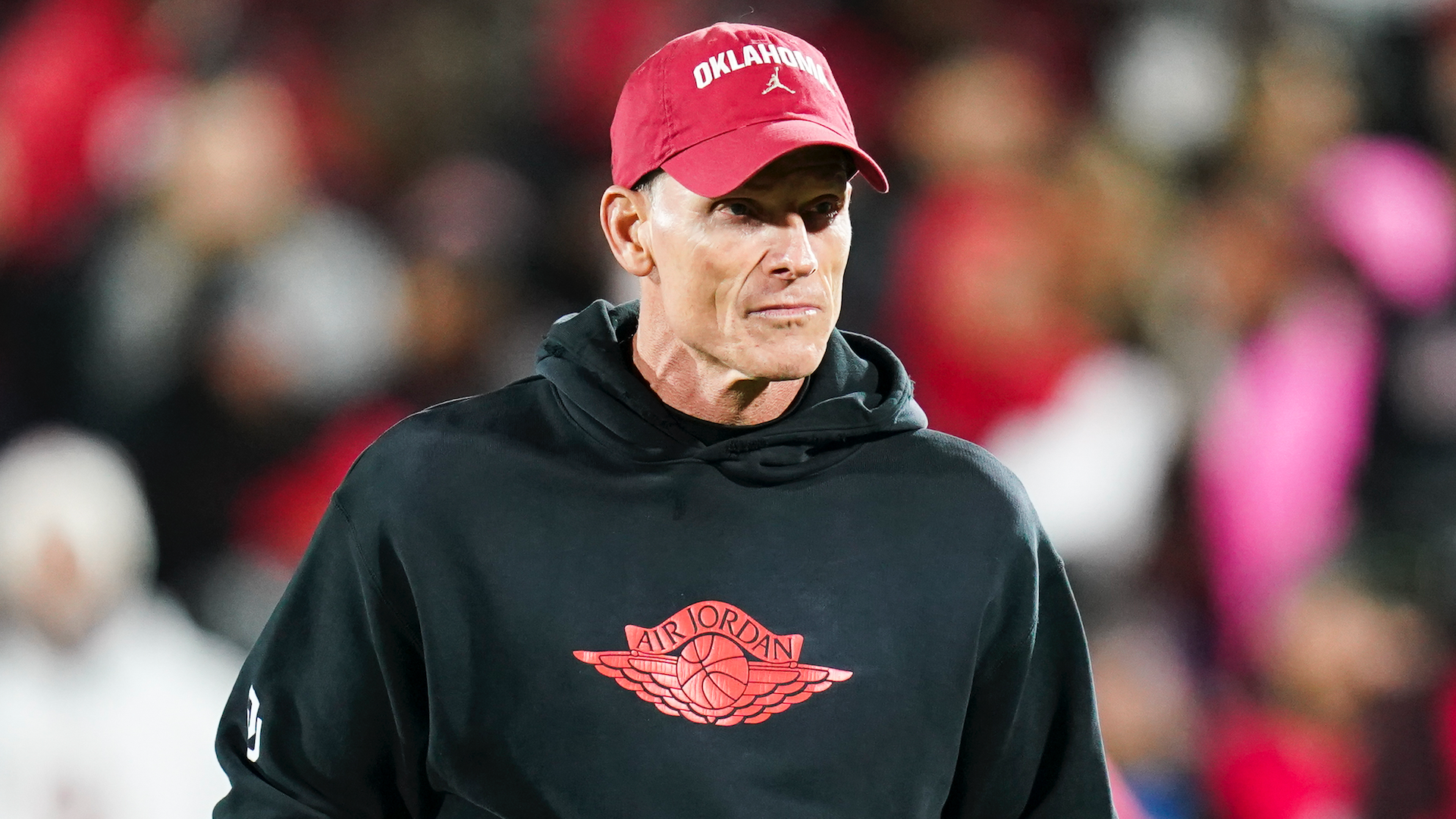
The NFL draft's first round doesn't just reshape professional rosters — it tears gaps in the college programs those players are leaving behind. On draft weekend, coaches across the country face the same arithmetic: elite talent departs, and someone has to replace it before the season opener.
The challenge is structurally embedded in college football. First-round picks are typically four-year starters or early-declaring underclassmen who比别人更快进入职业行列. Programs lose them mid-development cycles, with scholarships already committed to their successors and depth charts that may not be ready for prime time. The question isn't just who's next — it's whether the pipeline remains intact after the star exits.
What separates programs that reload smoothly from those that stumble? The answer lies less in recruiting rankings and more in how coaches manage the transition window between a player's final collegiate game and the next season's kickoff.
The Immediate Gap
The most immediate impact is positional. First-round picks occupy high-value roles — cornerback, edge rusher, left tackle, safety — that require both physical tools and advanced technique. When a prospect like Colorado's Travis Hunter or Michigan's Mason Graham declared early and went in the top 32 selections, their respective programs absorbed the loss of multi-year starters with specific schematic responsibilities.
Coaches typically identify a primary successor before spring ball concludes. The candidate is usually a redshirt sophomore or junior who absorbed the position's nuances as a backup, saw significant snaps in limited packages, and demonstrated consistency in the weight room and meeting rooms. But readiness in April doesn't always translate to readiness in September — the jump from scout-team contributor to full-time starter carries technical and psychological thresholds that vary by player.
The sources do not specify which individual candidates have been formally named for each of the 32 drafted-first-round spots. What is clear is the pattern: programs with strong developmental cultures — those that rotate bench players into game situations even when starters are available — tend to produce smoother transitions.
What the Counterargument Looks Like
Not every program can absorb a first-round departure equally. Some programs lose a first-round talent and don't miss a beat; others scramble through August with undefined depth charts and positional competitions that linger into the season's first month.
The difference isn't always talent level — it's scheme complexity and roster architecture. Programs running multiple pre-snap movements, disguised coverages, or complex run schemes require more installation time for new starters. A cornerback moving into press-man responsibilities has a different learning curve than one stepping into a single-high safety role.
Some coaches argue that high recruit ratings produce safer replacements. The logic is straightforward: five-star prospects who redshirt behind a first-rounder have the physical tools to execute, even if the technique is underdeveloped. Others counter that the performance gap between a five-star sophomore and a three-star senior can be smaller than the gap between a top-flight starter and their immediate backup — suggesting that roster construction and positional depth matter more than recruiting pedigree.
The Structural Reality
College football operates under a scholarship cap of 85 players, meaning roster space is finite and every departure has a cascading effect. When a first-round pick exits early — before their final season — the program often has a scholarship already allocated to their heir apparent from the previous recruiting cycle. But that heir may not be ready, and the scholarship cap prevents simply stockpiling two-deep at every position.
The NCAA's early entry rule compounds the problem. Players who enter the draft after their junior year leave programs with fewer transition options than those who exhaust their eligibility. A redshirt freshman thrust into a starting role because their predecessor declared early faces different pressures than one who spent two years in the system.
NIL collectives have introduced another variable. First-round picks leaving programs where significant collective payments had been structured may create more pressure on successors — the incoming starter inherits expectations shaped by enhanced visibility and competitive context, not just positional duties. The sources do not address whether NIL arrangements affect replacement readiness directly, but the broader structural effect is documented in how programs manage scholarship allocations and roster composition in the transfer portal era.
The Forward View
For the programs losing first-round talent in the 2026 draft cycle, the window to establish replacement readiness is closing. Spring practice sessions are largely concluded; fall camp begins in early August. The candidates who will start against conference opponents in late August are largely known to coaching staffs, though pre-season depth charts may shift based on injury or performance in the final weeks of camp.
Programs that manage the transition successfully typically do so by December — identifying candidates, engineering game-snap opportunities in the final regular-season contest, and using bowl practices as accelerated development windows. The successful replacements aren't always the most talented players on campus; they're often the ones who best understand the specific responsibilities of the role.
What remains uncertain is how second and third-tier programs — those losing first-round talent for the first time in a decade — adapt structurally. The infrastructure to develop successors isn't equally distributed across college football. For those programs, the gap between losing a star and replacing them is wider, the timeline shorter, and the margin for error smaller.
This publication covered the 2026 NFL draft's first-round selections with emphasis on how the departures affect the college programs those players are leaving. The wire framing focused on individual prospect trajectories; this piece examines the structural displacement and pipeline management challenges programs face in the weeks following draft weekend.
Wire provenance
This editorial synthesis draws on the following public wire/social posts:
- https://en.wikipedia.org/wiki/NFL_Draft