Spotify's Fitness Push Is a Platform Land Grab — and Peloton Should Be Nervous
Spotify's expansion into workout videos and Peloton classes is not a lifestyle pivot. It is a calculated move to colonize the remaining digital real estate Peloton spent years building — and the fitness industry may never look the same.
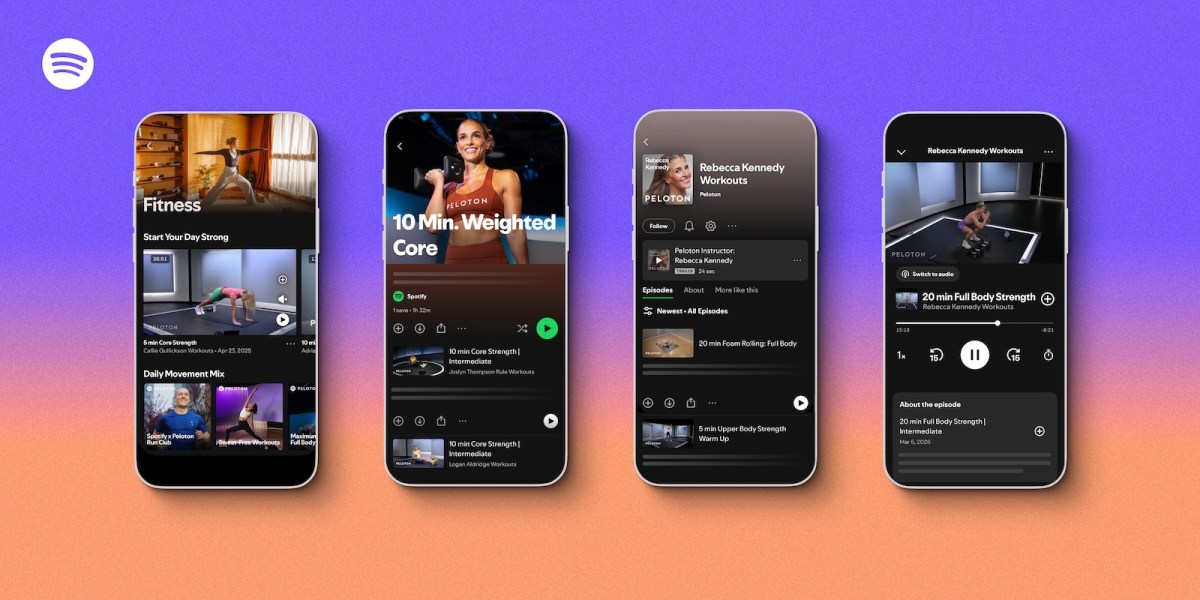
Spotify announced on 27 April 2026 that fitness content — workout videos, curated playlists, and Peloton instructor classes — would become a core product category within its app, available to both free and Premium subscribers. The move, reported by TechCrunch, represents the most aggressive lateral expansion in the company's history and signals a direct challenge to Peloton, which built its subscriber base on the premise that guided fitness instruction deserved its own dedicated ecosystem.
The announcement arrived without fanfare — a quiet press release, a blog post, a developer documentation update. But the implications are anything but modest. Spotify is not dipping a toe into wellness content. It is planting a flag.
The Platform Colonization Playbook
Spotify's logic is familiar from a dozen prior expansions. The company has spent years moving from pure music streaming into podcasts (anchored by the Joe Rogan exclusivity deal), audiobooks, and now video fitness content. Each step follows the same pattern: identify a high-engagement vertical, leverage existing user relationships and recommendation infrastructure, undercut incumbents on price by bundling the new content into an existing subscription.
Peloton charges $44 per month for its All-Access Membership, which includes live and on-demand classes. Spotify's fitness content will sit inside an existing Premium subscription that already costs $11 per month for individual users. That price differential is not incidental — it is the product strategy. Spotify is betting that most users who want fitness content will accept a lower-fidelity experience at a dramatically lower price rather than maintain a separate Peloton subscription.
Peloton has been publicly candid about subscriber attrition. The company's fiscal 2025 results showed a decline in connected fitness subscriber numbers — a trend it attributed to macroeconomic pressure on discretionary spending and to competition from lower-cost alternatives. Spotify's entry into the category is precisely the kind of competition Peloton could not afford to ignore. The company has not yet issued a public response to Spotify's announcement.
What Peloton Built — and Why It Matters
Peloton's contribution to the fitness landscape is worth specifying, because it is easy to dismiss the company as a pandemic-era anomaly whose moment has passed. The reality is more结构性. Peloton invented a viable economic model for premium guided fitness instruction at scale. Before Peloton, high-quality studio classes were geographically concentrated and expensive. The company demonstrated that a monthly subscription could deliver instructor-led cycling, strength, yoga, and running content to millions of users simultaneously — and that the instructor's personality could function as a genuine subscriber retention mechanism.
That model required years of investment in content production, instructor talent development, and hardware manufacturing. Peloton's bike and treadmill represent a capital expenditure most users absorbed as part of their subscription relationship — a clever bundling of hardware and software that locked users into the ecosystem. Spotify has no equivalent hardware anchor. Its fitness content will be device-agnostic, accessible via phone, tablet, or any screen with the app installed.
The instructor talent question is where Spotify's Peloton partnership becomes interesting. Peloton's instructors — Cody Rigsby, Robin Arzón, Jess Sims — have built substantial personal brands that transcend the platform. They appear on magazine covers, host podcasts, and command devoted social media followings. The fact that Spotify is offering Peloton classes inside its own app suggests the two companies have negotiated a content licensing arrangement rather than Spotify building a competing instructor roster from scratch. The financial terms of that arrangement are not public.
The Data Dimension
Every platform expansion raises the same underlying question about user data. Spotify already knows what its users listen to — which hours of the day, which genres, which moods. Adding fitness content means the platform begins collecting data on physical activity patterns, workout frequency, class completion rates, and the specific instructors and formats that retain user attention. That data layer feeds the recommendation algorithm in ways that create compounding competitive advantages.
The more time a user spends inside Spotify's ecosystem across multiple content types, the more data the platform generates about that user's behavioral patterns. The recommendation engine becomes more accurate. The switching cost for the user increases. Spotify does not need any single user to be fully committed to fitness content — it needs enough of them to spend enough time there that leaving the platform becomes a more significant friction.
This is the platform logic that has played out repeatedly: first in music versus piracy, then in podcasts versus terrestrial radio, then in streaming video versus cable. The pattern is consistent. A dominant platform identifies an adjacent behavior, bundles it with existing infrastructure, and uses price and data advantages to gradually absorb the specialized player's market.
The Competitive Landscape and What Comes Next
Spotify is not entering an empty category. Apple Fitness+ has operated since 2019, offering workout classes integrated with Apple Watch metrics. Garmin and Fitbit have built substantial fitness tracking businesses. YouTube has millions of free fitness videos. Strava and Nike Run Club serve the running and endurance communities. The fitness technology market is already fragmented and contested.
What Spotify brings that most of these competitors lack is an existing paid subscriber base of over 600 million monthly active users — roughly 260 million on paid tiers — and a recommendation infrastructure built on a decade of behavioral data. The combination is potent. Fitness content does not need to be better than Peloton's to redirect subscriber spending; it needs to be good enough at the right price inside an ecosystem users already inhabit.
Peloton's strategic options are narrowing. It could double down on hardware differentiation — the bike and treadmill offer a tactile experience that phone-based workouts cannot replicate — but hardware innovation cycles are slow and expensive. It could pivot toward becoming a content supplier to multiple platforms, licensing its instructor roster and production capabilities to Spotify, Apple, and others. That would represent a capitulation of the vertically integrated model that defined the company, but it might be the only path to sustainable scale.
What is clear is that the fitness content market is undergoing a structural transition from specialty platforms to generalist super-apps. Spotify's move is the most significant evidence yet that this transition is not hypothetical — it is underway. The outcome will depend on whether specialty fitness brands can sustain differentiation in content quality and instructor loyalty, or whether platform economics will eventually compress the category into another bundled feature of the streaming giants.
Spotify's announcement lands during a broader reconfiguration of how consumers pay for and access digital wellness content. This publication will continue tracking the fitness technology market as the competitive dynamics evolve.
Wire provenance
This editorial synthesis draws on the following public wire/social posts:
- https://en.wikipedia.org/wiki/Spotify
- https://en.wikipedia.org/wiki/Peloton_(company)
- https://en.wikipedia.org/wiki/Digital_platforms