The Salad and the Gunshot: What the WHCA Dinner Tells Us About Press Power
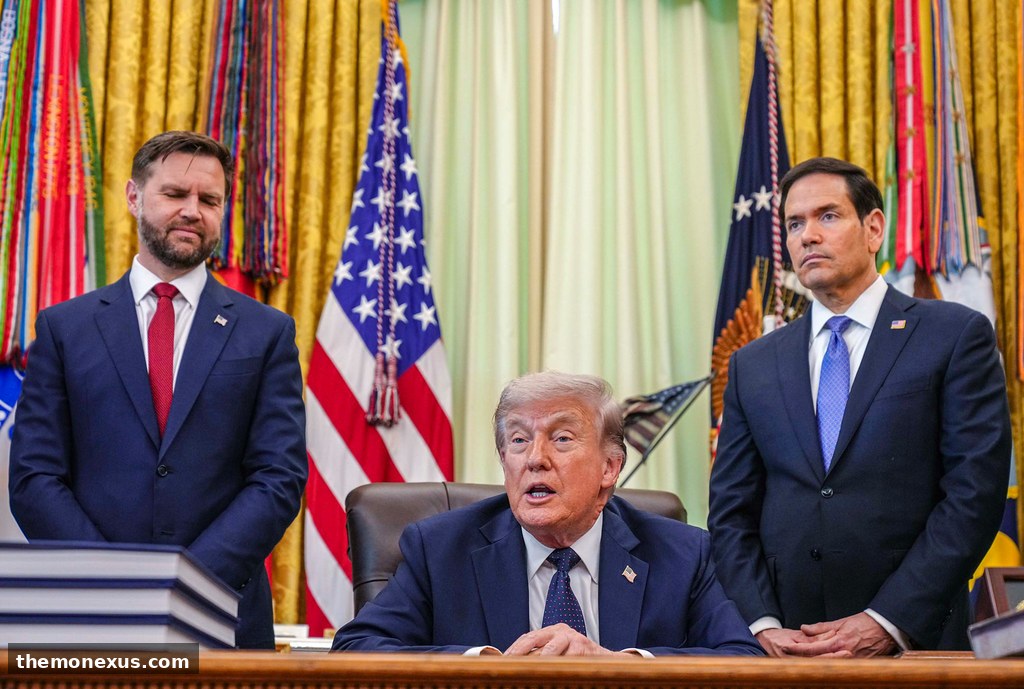
The photograph did what photographs sometimes do: it reduced an unwieldy event into a single, legible image. A man at the White House Correspondents' Association Dinner on 26 April sat at his table, fork in hand, salad before him — as if nothing had happened. As if gunshots had not echoed through the hotel. As if a suspect had not been at large. He told Polymarket he felt "very safe." The internet made him a meme. The dinner went on.
That sequence — violence, viral moment, normalization — is the story.
The WHCA Dinner is supposed to celebrate a free press. It is supposed to honor the First Amendment and the officials who consent to be scrutinized by the people in the room. What the evening of 26 April revealed, instead, is an institution that has built its rituals around proximity to power and has no structure for what happens when proximity turns lethal.
The Access Economy and Its Discontents
The man eating his salad became, unintentionally, a kind of Rorschach test. Some saw defiance; others saw absurdity; still others saw the perfect encapsulation of what the WHCA has become. The dinner is not, primarily, a press freedom ceremony. It is a social contract between journalists and the powerful — one that requires the powerful to keep showing up, and the press corps to keep pretending that attendance is not the price of access.
DC Police said the suspect was a guest at the hotel. That detail matters. The WHCA Dinner is a gated event: credentials, vetting, a guest list that runs into the hundreds. Whatever the security failure was, it occurred inside the perimeter that the press corps relies on to feel safe. The press accepted that perimeter and returned to dinner. The man with the salad made the choice conscious.
The structural condition is this: the WHCA's authority derives from access, and access is granted by the institution it covers. The president attends because the ceremony flatters the office. The press corps attends because being in the room is the job. The dinner cannot exist without both parties showing up, and neither party has an incentive to upset the arrangement. The shooter, whoever he was and whatever his motive, disrupted a ritual that both sides have an interest in restoring quickly.
The Resumption Problem
The Secret Service did not want the president to return to the dinner. Trump insisted. He was expected to return and deliver his scheduled remarks.
Here is the tension: resuming the event is framed as resilience, as refusing to let violence disrupt the institution. But the institution in question is not the Senate or the courts — it is a party for journalists and their sources. The rush to normalcy after a near-assassination attempt — a suspect still unidentified, a motive still unknown — reflects a kind of institutional capture. Security professionals said: keep the president away. Political instinct said: return. The press corps attended. The toasts were made.
The word "normal" does a lot of work here. Normal for the WHCA means continuing a tradition designed, in part, to make the relationship between press and power comfortable for the latter. Normal means that journalists who were, moments earlier, running for exits or ducking under tables, returned to tables to hear from the man whose administration has called major outlets enemies of the people. Normal means the dinner happens on schedule.
That the press corps did not walk out — that the dinner resumed, that Trump spoke, that the salads kept being eaten — is not a sign of courage. It is a sign of how thoroughly the logic of access has replaced the logic of accountability. The press corps was shot at. Then the press corps returned to dinner. There is no ceremony in the American press tradition for processing that sequence, so it was processed as: the show must go on.
The Long Shadow for Journalism
The press corps will remember this night. Not as a victory — there was nothing to win — but as a marker. They were in the room when violence arrived. They returned to the room. They served as audience for a president who had been told by his own security detail to stay away, and who came anyway, and who delivered remarks as if the evening had gone according to plan.
The coverage will frame the resumed dinner as a message of defiance. That framing is not wrong, but it is incomplete. What it also was, is a message about who controls the terms of engagement between press and power. Trump insisted on returning. The press corps stayed. No one demanded a recount of guests, a pause to verify credentials, a genuine renegotiation of the evening's purpose. The press corps accepted the institution's terms because the institution's terms are the only terms it has ever been offered.
The long-term consequence is not about this dinner. It is about what the press corps normalizes when it normalizes its own vulnerability. Each year, the WHCA asks: should this dinner exist? Each year, the answer is yes, because yes is the price of access. The shooter, on 26 April, made that price visible. The press corps paid it, and returned to table.
There will be investigations. There will be reviews of security protocols, of guest lists, of how a suspect reached the interior of a hotel hosting the president and several hundred journalists. Those reviews are necessary. But the more difficult question is not about the perimeter. It is about whether the press can build an institution that does not depend on the comfort of the powerful — and what journalism looks like when it stops fetching its own dinner and starts demanding better terms on its own behalf.
Wire provenance
This editorial synthesis draws on the following public wire/social posts:
- https://x.com/Polymarket/status/1913892876544106772
- https://x.com/Polymarket/status/1913875432877699402
- https://x.com/Polymarket/status/1913872932877699402
- https://x.com/Polymarket/status/1913872932877699401
- https://x.com/Polymarket/status/1913872432877699400