Iran Air's Hajj Operations Signal Pragmatic Engagement Between Tehran and Riyadh
Iran Air's announcement of Hajj flight operations from three Iranian cities reflects the operational normalisation that has followed the 2023 rapprochement between Tehran and Riyadh, though broader political reconciliation remains incomplete.
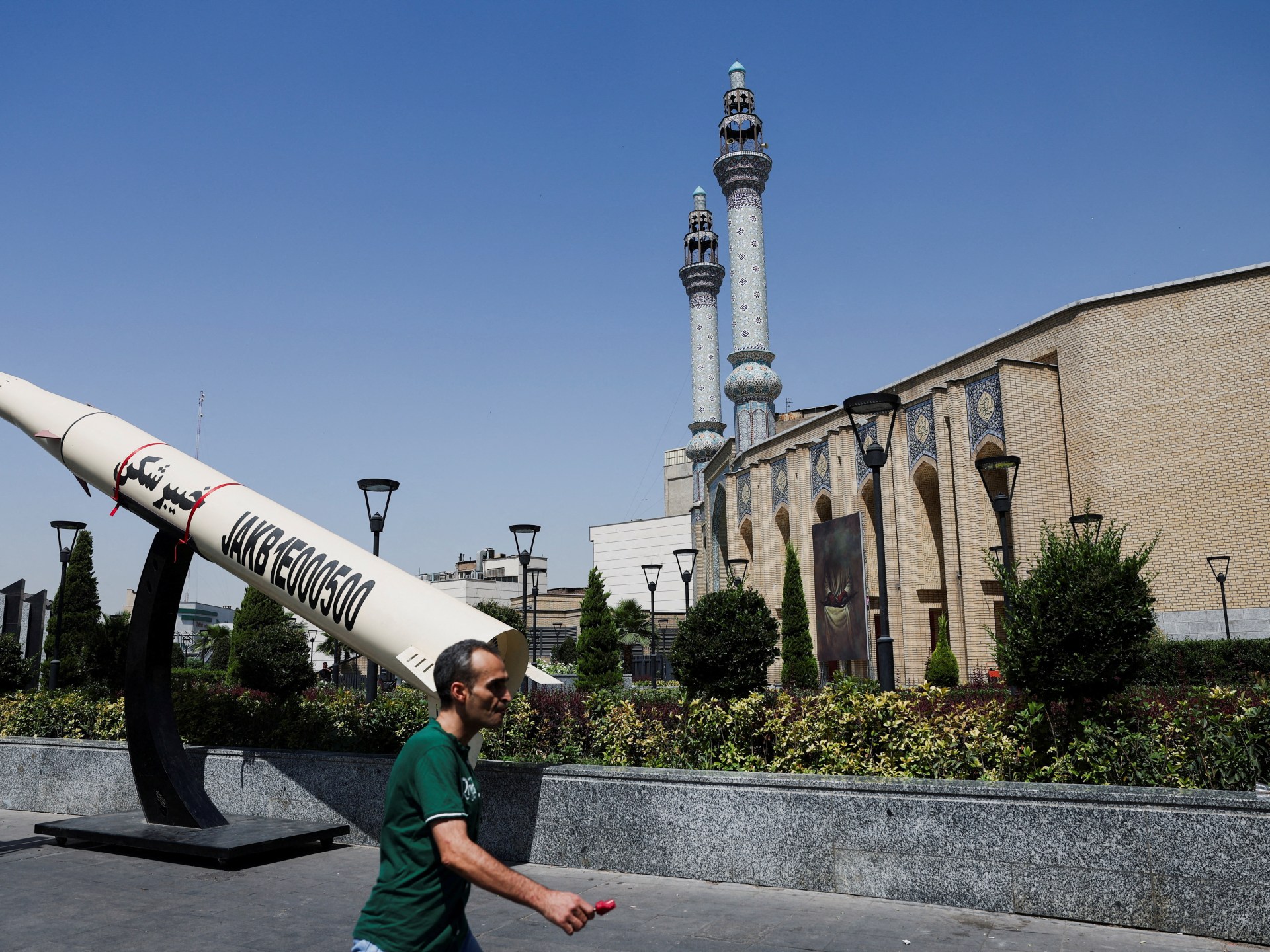
Iran Air announced on 27 April 2026 that it will operate Hajj pilgrimage flights from three Iranian cities — Tehran, Mashhad, and Zahedan — according to a report by the Islamic Republic News Agency. The announcement marks another data point in the gradual normalisation of travel and logistics between Iran and Saudi Arabia following the diplomatic breakthrough brokered by Beijing in March 2023.
The timing of the announcement, two weeks before the Hajj season commences, reflects the operational demands of moving Iranian pilgrims at scale. Iran Air, as the state-owned flag carrier, occupies a dual role: commercial operator and an instrument of state religious obligation. For the Iranian government, facilitating the Hajj is not merely a logistical exercise — it is a constitutional and theological duty that every able Muslim is expected to perform at least once in their lifetime.
From Confrontation to Compartmentalisation
The 2023 rapprochement between Iran and Saudi Arabia, mediated by Chinese diplomacy, fundamentally altered the operational landscape for Hajj arrangements. Prior to the deal, bilateral tensions had periodically disrupted pilgrimage logistics. Iranian pilgrims had faced restrictions, cancellations, and at times were denied altogether. The resumption of direct flights and coordinated ground arrangements signals that both sides have found a workable formula: put aside broader geopolitical antagonisms — Iran's nuclear programme, its network of regional proxies, Saudi concerns about Iranian influence — and focus on the mechanics of a religious obligation that neither side wishes to see fail.
The choice of three departure cities is instructive. Tehran, as the capital and primary hub, handles the bulk of international air travel. Mashhad, Iran's second-largest city and home to the Imam Reza shrine — one of Shia Islam's holiest sites — represents the religious heartland. Zahedan, in Sistan and Baluchestan Province near the Pakistani border, serves a peripheral but significant population of Iranian pilgrims who would otherwise face long overland journeys to Tehran or Mashhad. The inclusion of Zahedan suggests Iran Air is attempting to extend Hajj access to communities outside the traditional centres of Shia religious authority.
The Aviation Dimension
Operating Hajj flights imposes specific demands on airlines and airport infrastructure. Saudi Arabia's General Authority of Civil Aviation sets windowed departure and arrival slots to manage the concentration of pilgrims at Jeddah's King Abdulaziz International Airport and Medina's Prince Mohammed bin Abdulaziz Airport. These windows are tightly managed, and airlines must meet security, safety, and scheduling standards set by Saudi authorities before being granted operating permits.
Iran Air's ability to secure these slots indicates a degree of bilateral cooperation at the technical level. Whether this cooperation extends to broader aviation agreements — code-sharing, route expansion, or bilateral air services agreements — remains unclear from the available sources. The announcement covers Hajj flights specifically; it does not signal any wider normalisation of civil aviation relations between the two countries, which remain subject to separate diplomatic and regulatory frameworks.
The fleet Iran Air operates complicates the picture. International sanctions, primarily US secondary sanctions reimposed after the Trump administration's 2018 withdrawal from the Joint Comprehensive Plan of Action, have constrained Iran's access to aircraft parts, new builds, and maintenance support. Iran Air's fleet is aging. Whether this poses a safety risk to Hajj operations is a question the sources do not address directly; Saudi aviation authorities have historically applied uniform standards to all carriers serving Hajj routes, regardless of the carrier's national origin or the political relationship between the carrier's home country and Riyadh.
Structural Constraints on Deeper Rapprochement
The Hajj arrangement illustrates a broader pattern in Iran-Saudi relations since 2023: tactical cooperation on shared interests, paired with persistent structural antagonism. Both governments find it useful to avoid a breakdown in pilgrimage logistics. Domestic political constituencies in both countries — religious establishments, populations with family ties to pilgrims, and the commercial interests linked to Hajj tourism — create strong incentives to maintain functional arrangements.
Yet the sources do not indicate any movement on the deeper disputes that divided the two countries. Yemen remains a point of contention, with Saudi Arabia's military campaign against Houthi forces — an Iran-aligned group — ongoing despite diplomatic efforts. Iran's nuclear programme continues to generate concern in Riyadh and Washington. The Gulf's security architecture, the status of Hormuz strait transit, and the broader US military presence in the region remain unresolved.
What the Hajj flights demonstrate is that diplomatic normalisation, when it works, tends to operate on multiple simultaneous tracks: high-level political signalling, technical-level cooperation on specific issues, and the management of domestic expectations. The high-level track has stalled. The technical track — aviation, pilgrimage logistics, consular cooperation — continues to function. Whether that functional cooperation can be leveraged into broader reconciliation depends on factors the current source base does not illuminate.
Stakes and Forward View
The immediate stakes are logistical: Iranian pilgrims, numbering in the tens of thousands annually in recent years prior to the pandemic disruptions, rely on organised airlift to fulfil a religious obligation. Any breakdown in that airlift — whether from political tension, sanctions, or operational failure — carries immediate domestic political costs for both Tehran and, to a lesser extent, Riyadh.
For Iran Air, the Hajj operations represent a revenue stream and a reputational obligation. For the Iranian government, they represent a demonstration of functional state capacity: the ability to deliver on a religious promise to its citizens despite sanctions and international isolation.
The broader question — whether this season's Hajj flights represent a durable normalisation or a temporary accommodation — will depend on events not yet in the public record. The sources available on 27 April 2026 record an announcement; they do not record the reception that announcement received in Riyadh, or the terms of any technical agreement that may have preceded it.
Monexus will continue to monitor the operational execution of these flights and the diplomatic signals that accompany them. The difference between a functioning logistics arrangement and a genuine political reconciliation is not always visible from the tarmac.
This article draws on reporting by Iran's state news agency IRNA, which constitutes the primary source for Iran Air's Hajj flight announcement. The broader political context is drawn from the historical record of Iran-Saudi relations and publicly available information on the 2023 Beijing-brokered rapprochement. No independent confirmation of operational details — fleet assignments, passenger numbers, or slot coordination — was available from Western-wire sources at the time of publication.
Wire provenance
This editorial synthesis draws on the following public wire/social posts:
- https://t.me/Irna_en/18742