County Cricket's Quiet Identity Crisis
As The Hundred reshapes the English cricketing calendar, county cricket finds itself at a crossroads — still the crucible of red-ball technique, but increasingly squeezed between franchise economics and a truncated attention economy.
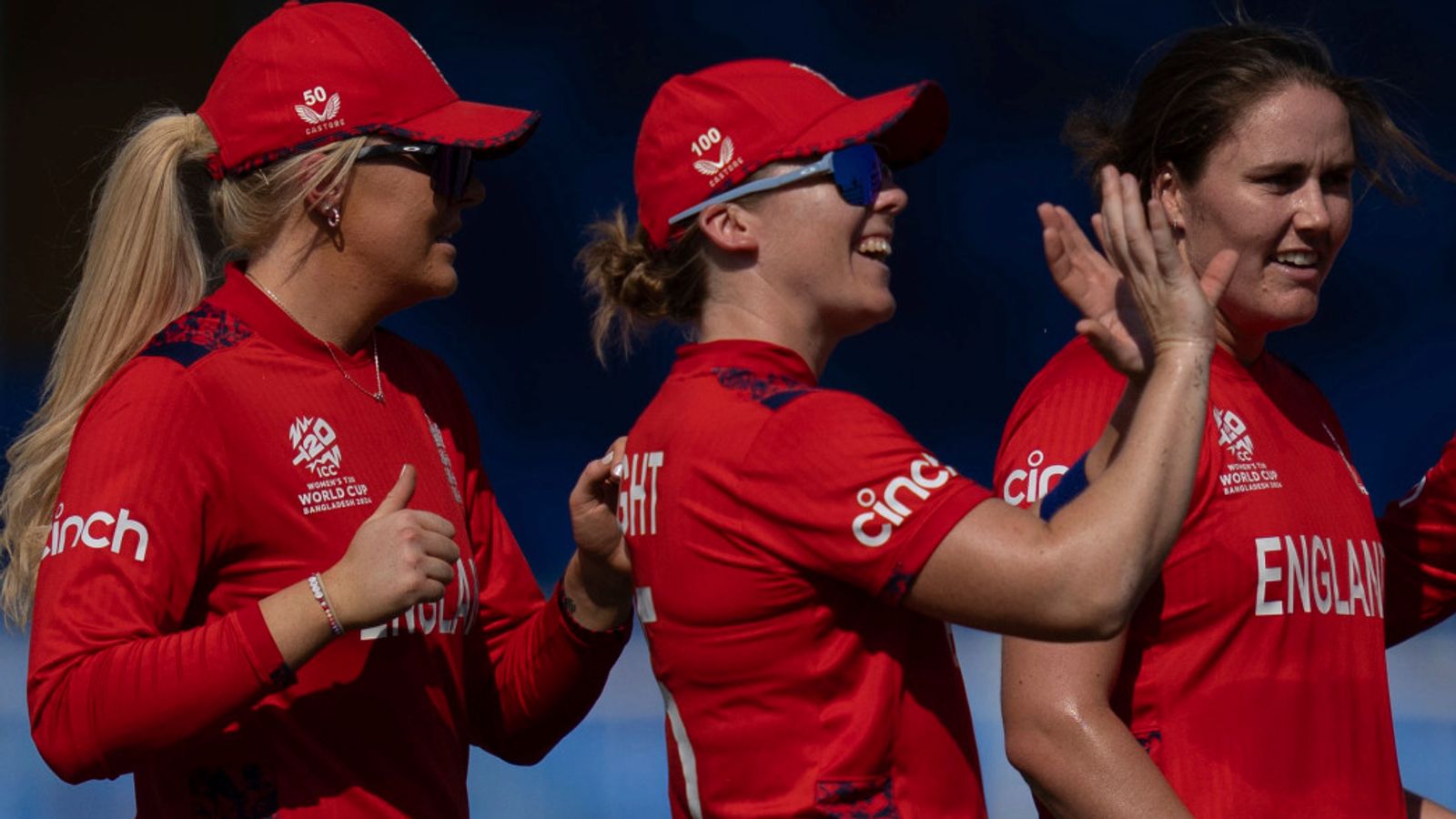
On the fourth day of the latest County Championship round, The Guardian's live blog on 27 April 2026 carried Surrey's progress against Essex, Yorkshire's tussle with Sussex, and a passing reference to marathon runner Sabastian Sawe clearing two hours — a reminder that speed, endurance, and the particular demands of specialist formats still command devoted audiences. Yet behind the match updates, a quieter tension runs through English domestic cricket's oldest competition: the Championship is as technically rigorous as ever, yet its place in the national game feels less settled than at any point in the past two decades.
County cricket occupies a paradoxical position. It remains the primary development ground for England's red-ball internationals — every current test cap emerged via the County Championship pathway. Players such as Zak Crawley, Harry Brook, and Gus Atkinson refined their games against the Dukes ball and on pitches that demand technique, patience, and the ability to bowl long spells under overcast skies. That developmental function has not changed. What has shifted is the economics of attention and the opportunity set available to the players themselves.
The Hundred's Shadow
The introduction of The Hundred in 2021 reshaped the financial logic of English cricket. Eight franchise sides — London Spirit, Trent Rockets, Manchester Originals, and their counterparts — drew investment, broadcast rights deals, and a marketing push that dwarfed anything the County Championship had received since the Sky Sports deal of the early 2000s. County clubs absorbed the franchise model into their structures, but the format hierarchy was inverted: white-ball cricket now generates the revenue, the profile, and the endorsements. County Championship fixtures, played across four days with a red ball in often cool April conditions, operate in a parallel universe with far lower production values and fan engagement.
Attendance data from the 2025 season, reported across cricket trade publications, showed Championship crowds averaging below 1,500 per day at several venues — a figure that would have been unremarkable in the 1950s but reads starkly against the 8,000-plus gates county clubs routinely drew in the late 1990s and early 2000s. The clubs closest to London and Birmingham have fared better; the provincial sides in Canterbury, Taunton, and Northampton face the sharpest erosion. A county chairman, speaking to the cricket press without attribution in early 2026, described the situation bluntly: "The Championship is a public good we maintain because it produces test cricketers. The commercial case is getting harder to make."
Financial Precarity and the Franchise Squeeze
The England and Wales Cricket Board's funding model distributes revenue between the 18 first-class counties, but the distribution is uneven and increasingly tied to performance pathways rather than match attendance. Counties that produce players who graduate to the national side receive central ECB support; those that do not — particularly in a generation where franchise T20 leagues offer lucrative short-term contracts — face structural budget constraints. Several county clubs have restructured coaching staff, reduced ground-staff headcounts, or withdrawn from regional feeder tournaments in recent seasons.
The economic logic pushing young players toward franchise cricket compounds the problem. A 23-year-old fast bowler with county experience can command £80,000-120,000 for a season in Major League Baseball's new cricket venture or the various franchise leagues in South Africa, the UAE, and the Caribbean — sums that dwarf the salary on offer from a county struggling to meet payroll in June. The ECB's new central contracts attempt to retain test-format specialists, but the pipeline between the Championship and the England side is thinning at the edges.
What the Format Actually Produces
The counter-argument, advanced by county coaches and former England captains, is that no alternative development model has demonstrated comparable effectiveness at producing multi-format test cricketers. The County Championship, with its four-day duration, Dukes ball movement, and varying pitch conditions, still simulates the test match environment more faithfully than any T20 drill or franchise academy. England have won only one of their last five home test series; critics attribute this partly to a player pool optimised for white-ball versatility at the expense of red-ball depth.
The England men's side that toured New Zealand in early 2026 included nine players with substantial County Championship histories — a figure that would have been close to 100 percent a decade ago but remains meaningfully above zero. The format is still functioning as intended; the question is whether the ecosystem around it can sustain the investment required to keep it doing so.
Stakes and Forward View
The risk is not that the County Championship disappears — its cultural and institutional entrenchment within English cricket's governance structures makes that outcome unlikely in any near-term horizon. The more plausible erosion is gradual: a hollowing out of competitive depth as talented players drift toward franchise circuits, a widening quality gap between the top two or three counties and the rest, and a quiet retreat of ambition among clubs that can no longer see a pathway from Championship cricket to either ECB central contracts or meaningful commercial returns.
Several proposals have circulated within the county game: reducing the Championship to a 10-team top division with promotion and relegation from the second division; extending the season to allow concurrent Hundred fixtures without Championship interruption; linking ECB broadcast rights deals more explicitly to red-ball content. None has gained sufficient consensus. The ECB's current position, as outlined in its 2025 participation strategy, commits to maintaining the Championship as a "core pillar" of the domestic game — language that signals intent without guaranteeing resource.
What the live blog from 27 April 2026 illustrated, in its quiet way, is that the Championship continues to produce moments worth covering: a spell of outswing bowling on a responsive pitch, a partnership built over 150 minutes, the particular satisfaction of a low-scoring game decided on the final afternoon. Whether those moments remain connected to a sustainable domestic structure — or become an increasingly isolated preserve of purists — is the question the English game has not yet answered.
This publication's sports desk tracks domestic cricket as a proxy for the broader tension between development-focused formats and the franchise economics reshaping global sport.