Shreyas Iyer and the New Geometry of the IPL Chase
A 100.43 average and a 175.31 strike rate in successful chases places Shreyas Iyer among the most analytically complete finishers in franchise cricket — and raises structural questions about how the IPL values and deploys its most consequential batters.
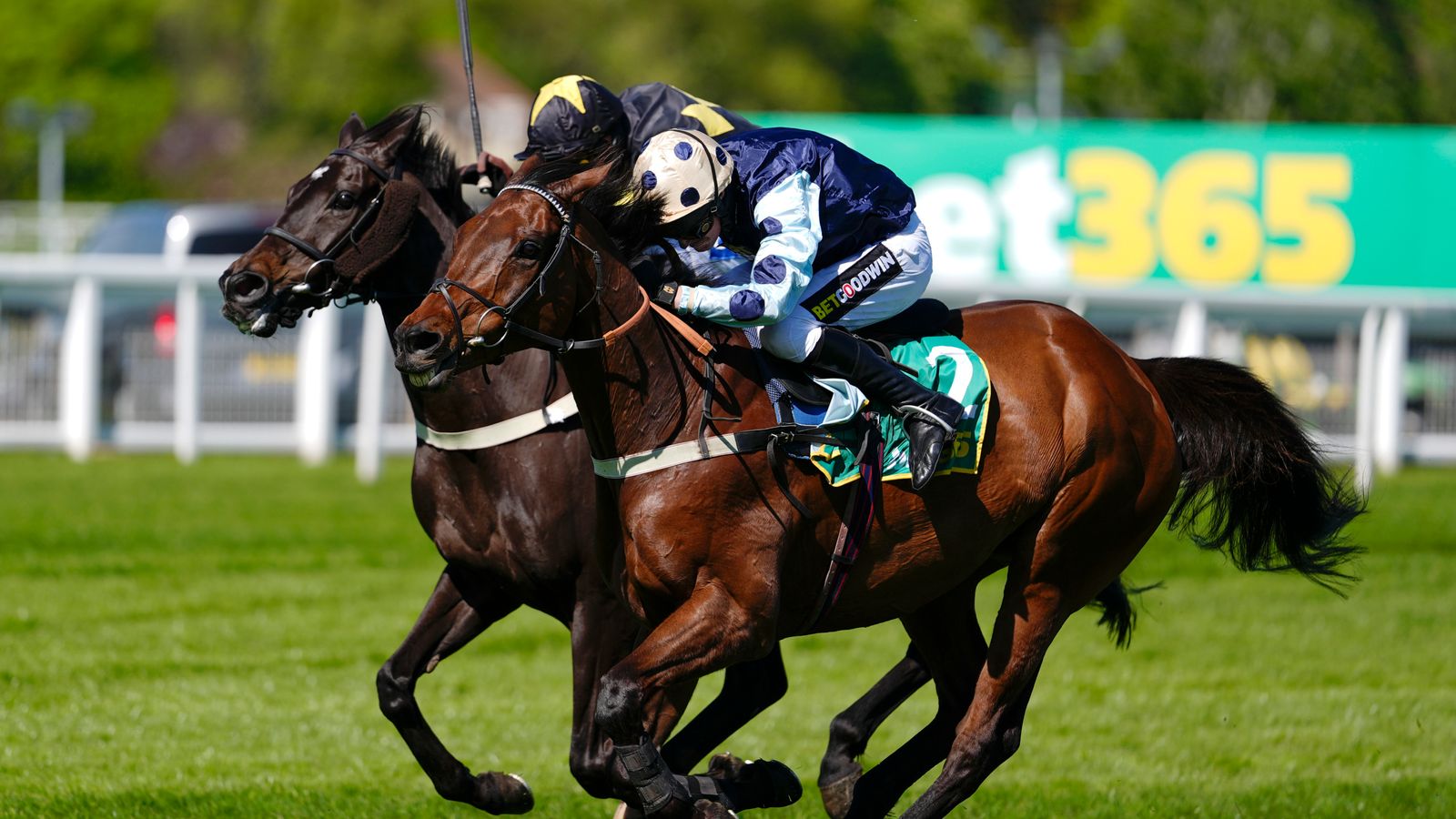
At a 100.43 average and a 175.31 strike rate in completed chases, Shreyas Iyer has produced one of the more analytically complete finishing records in this season's Indian Premier League. The numbers — reported by The Indian Express on 27 April 2026 — do not merely indicate prolific scoring; they signal a consistent ability to translate a high-pressure game state into a resolved outcome. That is a categorically different skill from accumulating runs in the powerplay or stabilising a middle-order wobble.
What the data captures, and what separates Iyer from the broader pool of IPL batters, is his performance under variable target conditions — when the required run rate shifts mid-innings, when wickets fall in quick succession, when the chase becomes a problem of arithmetic rather than atmosphere. The 175.31 strike rate tells us that acceleration is structural to his approach, not reactive. He is not waiting for certainty before committing to boundary-hitting; he is creating the certainty by operating at pace.
What the numbers actually measure
A 100.43 average in chases means that when Kolkata Knight Riders have successfully chased targets this season, Iyer has averaged over a run per ball — and more critically, he has done so across enough innings to establish a pattern rather than a statistical outlier. Consistency at that strike rate across a 20-over innings is unusual because the standard trade-off in chase batting involves pacing: batters often slow in the middle overs to preserve wickets for a final assault. Iyer's strike rate suggests he has found a method to maintain tempo across all phases.
The Indian Express reporting frames him explicitly as a chase specialist — someone whose decision-making, shot selection, and situational awareness are calibrated for the specific demands of a target pursuit. That framing holds up against the numbers. An average above 100 in a chase context is the statistical signature of a finisher who finishes. Many prominent batters in the IPL are exceptional at constructing totals; fewer are reliable in the particular chaos of a revised target, a shifting field, and a compressing over-count.
The KKR structural equation
Iyer's figures cannot be read in isolation from how Kolkata Knight Riders have constructed their 2026 campaign. The franchise has consistently positioned him in the middle-to-lower middle order — a role that demands both patience and explosive intent simultaneously. The 175.31 strike rate implies that the franchise has found a calibration that allows Iyer to play with freedom while retaining enough structural discipline to avoid the collapses that undermine chase attempts.
That calibration is not incidental. KKR's campaign trajectory — built around aggressive finishers and a deep batting order — reflects a broader IPL trend: teams that can absorb early wickets and still post competitive totals in a chase are better positioned in high-variance conditions. Iyer is the linchpin of that approach. His average in successful chases suggests the system works when he is present; his strike rate suggests it works because he does not compromise his game to fit the situation.
The structural shift the numbers represent
The IPL's evolution has increasingly rewarded chase-finishers. Captains winning the toss in 2026 have overwhelmingly chosen to field first — chasing sides win roughly 60 percent of matches where dew is a factor. That structural reality has elevated the value of batters who can anchor a revised target without sacrificing the run rate. Iyer's profile maps directly onto that demand.
His 175.31 strike rate reflects a broader truth about modern franchise batting: the middle overs are no longer a buffer zone. The arithmetic of a chase — with DLS revisions, reduced overs, and shifting required run rates — compresses the decision-making window. Batters who can operate at strike rates that keep the equation manageable throughout that compression are the most valuable assets in the format. Iyer's average of 100.43 in chases is not a function of low-pressure innings; it is a function of high-pressure innings resolved consistently.
Stakes and season-level implications
As the 2026 IPL moves into its business phase, Iyer's chase record carries selection and valuation consequences that extend beyond the current tournament. A 100.43 average in successful chases with a 175.31 strike rate places him in a category of player that franchises building for consistency — rather than ceiling — will seek to retain. The combination of average and strike rate in chase contexts is rare; it suggests a batter who does not merely survive high-pressure situations but resolves them.
KKR's playoff positioning will depend significantly on their ability to close out successful chases. Iyer's record suggests that burden is well-placed. His innings-level consistency at that strike rate — across a range of targets and conditions — is the kind of data point that shapes not just tournament outcomes but off-season retention conversations. If the Knight Riders advance deep into the 2026 playoffs, Iyer's numbers will be cited as the reason. If they falter, the structural question will be whether the team built enough around his chase profile.
This desk led with Indian Express data framing Iyer as a chase specialist. The wire focus on average and strike rate in successful chases — rather than total runs or individual match recaps — reflects a growing analytical emphasis in IPL coverage that treats finishing as a distinct craft rather than a byproduct of batting depth.