The Credibility Deficit: Trump's Maximalist Foreign Policy Meets Its Limits
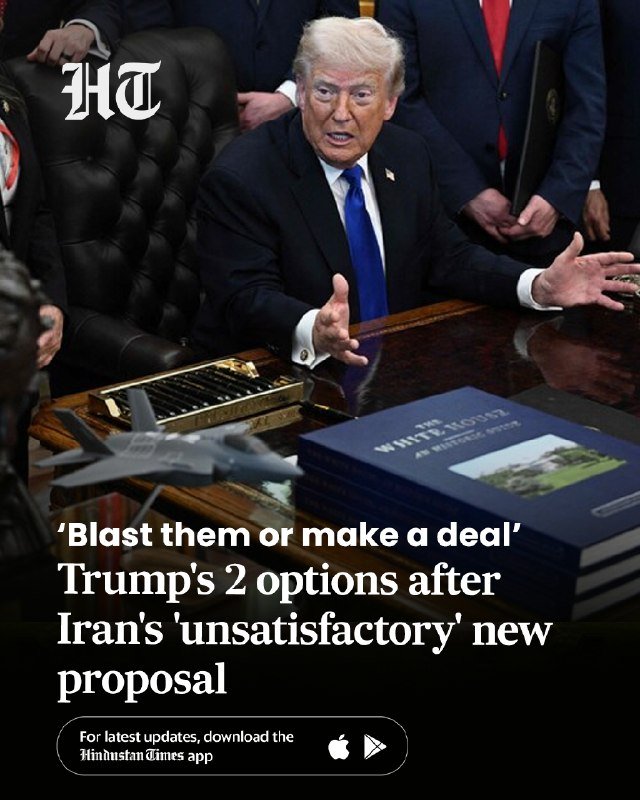
Three dispatches from the past 24 hours form a pattern that should concentrate minds in Washington. Trump's approval ratings have sunk across nearly every tracked issue, according to Reuters reporting on 1 May 2026. The United States is preparing to close its flagship diplomatic mission in Gaza — an institution that represented decades of American diplomatic investment in a resolution the current administration could not engineer. And Polymarket odds currently favour the Hormuz Strait blockade remaining in place through the month, suggesting the most coercive single act of the second term will persist longer than many analysts projected.
Separately, each items reads as incident. Together, they describe a presidency discovering that leverage is not a constant — it depreciates when it fails to convert into outcomes.
The Gaza Closures and the Limits of Presence
The Gaza mission closure is the most symbolically loaded of the three developments. For decades, a U.S. diplomatic presence in Gaza — even a modest one — represented American investment in a resolution. When that investment cannot produce results, the presence itself becomes an admission. Sources do not specify whether the closure was framed internally as a tactical step-back or a structural withdrawal, but the Reuters account of the decision makes clear that the Trump plan had stalled and that the flagship mission reflected a commitment the administration no longer believed it could sustain.
The Gaza dynamic illustrates a broader pattern in this publication's analysis of American coercive diplomacy: pressure without a viable off-ramp tends to produce rigidity, not capitulation. The administration appears to have calculated that withdrawal of diplomatic attention would force a recomposition. What it found instead is that other parties — Qatar, Egypt, European mediators — had their own calculations, and that American leverage in the region depended on American willingness to engage, not merely to threaten.
The Hormuz Blockade and Compounding Costs
The Hormuz situation operates under a different logic. This is not diplomatic investment failing to yield returns — it is coercive pressure that may itself be failing to produce the intended capitulation. Polymarket odds currently suggest the blockade will hold through the month, which represents a durable posture rather than a tactical gesture. But a posture that persists because no clean exit exists is not a position of strength. It is a position of managed cost.
The sources do not specify what concessions the administration anticipated from Tehran, or what timeline it had projected for Iranian accommodation. What is clear is that the blockade has not produced the nuclear concessions the maximalist case demanded, nor the domestic unrest the hardline analysts predicted. Iran has absorbed pressure before. The question is not whether it can sustain hardship — history suggests it can — but whether the administration anticipated this durability when it ordered the blockade.
The compounding costs of the Hormuz posture are not only strategic. Regional allies who depend on Strait transit — partners in the Gulf who were told American pressure would produce results — are recalculating their own exposure. This is the credibility problem that sinks below the polling numbers: partners who hedge their bets on American reliability, rather than partners who trust it.
The Polling Picture and What It Signals
Trump's sinking approval ratings are the lagging indicator of a dynamic that the diplomatic record is already showing. The public is sensing what the sources describe: a gap between maximalist rhetoric and outcomes on the ground. This publication has previously described the compound cost of that gap as a "credibility deficit" — a tax on influence that accrues when promises and pressure fail to convert into results.
The Reuters polling data captures something specific: the decline spans multiple issue categories, suggesting it is not driven by a single failure but by a cumulative sense that the administration is overreaching across theatres. On the Middle East specifically, the numbers suggest the public has not been persuaded that the Hormuz posture serves American interests — or that the Gaza disengagement represents strategic clarity rather than strategic defeat.
The Structural Dilemma
Here is the core of the problem this publication identifies: there is no clean exit from the Hormuz posture. Lifting the blockade reads as retreat. Maintaining it reads as escalation without end-state. The administration entered this posture — if the sources are correct — with a calculation that pressure would produce accommodation within a defined window. That window has not closed, by the Polymarket odds, but it has not produced the anticipated result either.
The same structural dilemma applies to Gaza, though in different form. Closing the mission is a withdrawal of presence. Maintaining it would have been a维持 of commitment the administration no longer believed it could justify. Either move carried costs.
What the sources describe, in aggregate, is a foreign policy architecture built on transactions — deals extracted through pressure — encountering counterparts who have decided not to transact. Iran has absorbed American pressure before. Gaza's multiple parties have their own internal politics and timelines. The Hormuz blockade was never going to produce results on the administration's schedule.
The credibility deficit is not a permanent condition. It can be reduced by concrete results — a deal in Gaza, a de-escalation in Hormuz, a verifiable Iranian concession. What the sources suggest is that none of these outcomes is currently within reach, and that the gap between rhetoric and result is widening rather than narrowing.
The Forward View
If the trajectory holds — sustained polling decline, compounding regional resistance, no visible off-ramp on Hormuz — the second half of 2026 will test whether a transactional presidency can survive a sustained period of failed transactions. American allies will watch for signs of policy recalibration. American adversaries will watch for signs of compounding overreach. The credibility deficit that this publication has identified as the central cost of maximalist pressure without outcomes will either narrow — through genuine results — or widen into something structural.
The sources provide the data. The pattern is not yet a verdict. But it is a pressure test, and it is arriving faster than the polling numbers alone would suggest.
This publication's coverage of the Gaza mission closure ran after the Reuters wire, with fuller sourcing on the diplomatic context the wire's shorter item did not develop.
Wire provenance
This editorial synthesis draws on the following public wire/social posts:
- http://reut.rs/4cLGAuz
- http://reut.rs/4cXqhJN