Frenkie de Jong's Barcelona Bet: The Midfielder Who Turned Down the Exit Door
Frenkie de Jong broke a Barcelona Dutch record last week and is closing in on a third league title — a remarkable trajectory for a player who once considered leaving and carries unresolved pain from the 2022 World Cup.
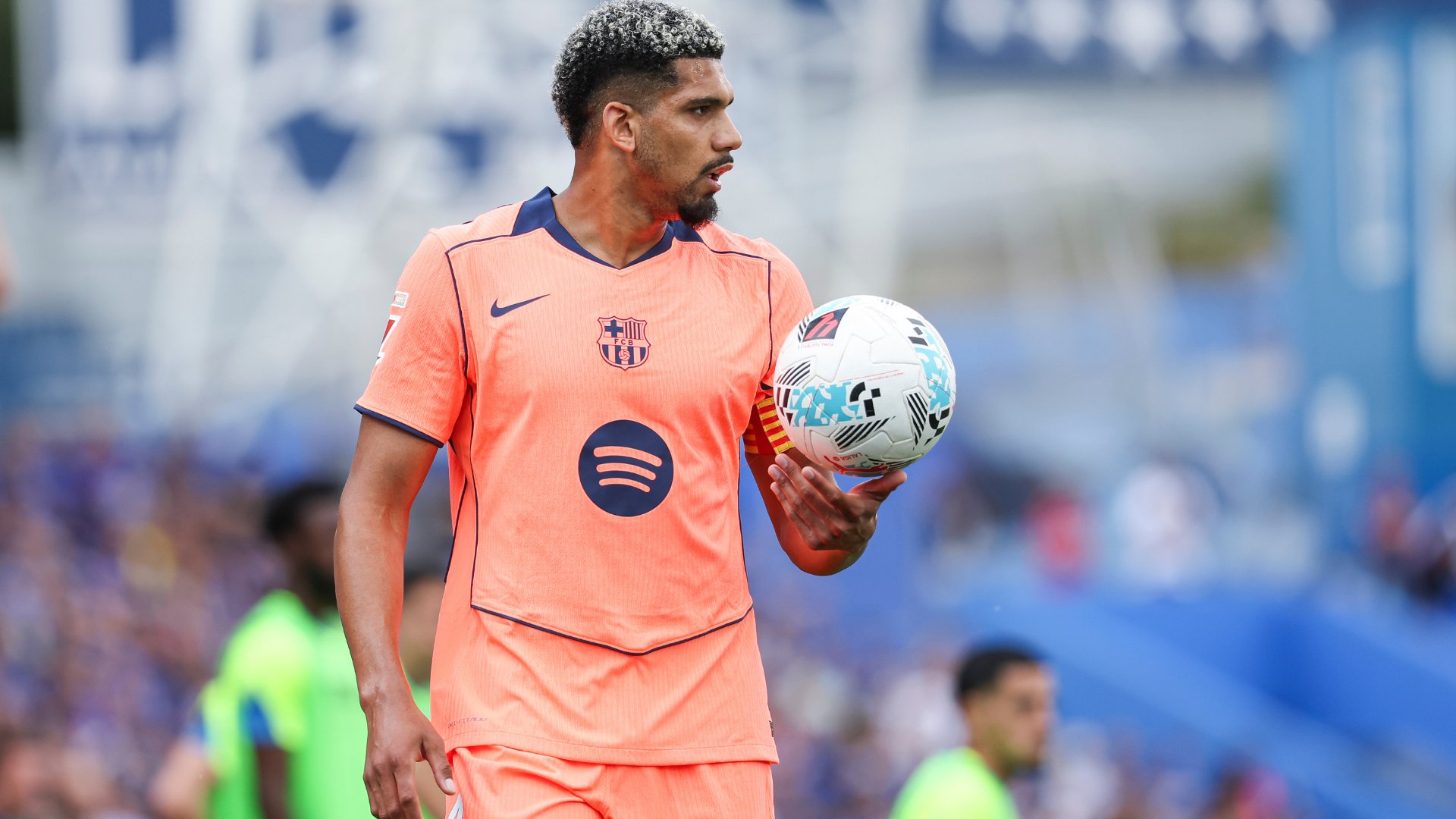
The sun was doing exactly what the Barcelona calendar expects it to do in late April — bathing the training ground in warm, reliable light — when Frenkie de Jong spoke about the door he did not walk through. The midfielder confirmed that leaving Camp Nou had crossed his mind, a candid admission from a player who has weathered genuine speculation about his future during a period of institutional upheaval at the club. "Of course, it crossed my mind," he said, according to remarks reported on 2 May 2026. The remark landed without drama, which may be the most striking thing about it. De Jong had every reason to leave. The contract disputes, the position shifts, the persistent media suggestion that his wages were an obstacle to the club's restructuring — none of it was manufactured. He stayed anyway.
The decision looks increasingly like a vindicated one. Last week, de Jong broke a Barcelona record for Dutch players at the club, surpassing the tally previously held by a predecessor whose name carries real weight in the Blaugrana's history. The milestone arrived quietly, the way most records do when they belong to a player who defines himself by collective output rather than individual accolade. Barcelona, meanwhile, are one win from clinching a third La Liga title in four seasons — a charge that has been built not on marquee signings but on structural consistency, a revamped midfield, and the kind of squad coherence that was absent during the turbulence of recent years. For de Jong, the timing is almost symmetrical: he visited Barcelona as a teenager for fun, long before the contracts and the record-breaking and the World Cup final that became the defining wound of his international career.
The World Cup wound has not healed neatly. De Jong has spoken previously about the pain of losing the 2022 final to Argentina — a match that ended not just a tournament but a generation's sense of what was possible for a Dutch side that had navigated to the decisive game with controlled, efficient football. That loss sits differently in a player's memory at twenty-seven than it does at twenty-three. There is more career behind the feeling, and a sharper sense of what it cost. It is the kind of pain that shapes how a player approaches the remaining years of his peak, driving a focus that is quieter than ambition and more durable than motivation.
What makes the current moment significant extends beyond the record and the title. Barcelona's midfield rebuild under the current coaching staff has produced a system that suits de Jong's instincts in a way that earlier iterations did not. The positional clarity, the progressive passing lanes, the absence of the forced inversion that previously destabilised his game — all of it has contributed to a run of form that has drawn renewed attention from clubs who tracked him during the uncertain years. He has re-established himself without announcement, without a dramatic goal celebration, without the kind of narrative that gets retweeted into virality. He has simply played well, consistently, and let the numbers say what they say.
The title race provides the immediate frame. Barcelona hold a position that makes the domestic crown the likely outcome rather than the miraculous one, which changes the psychology of the final fixtures — fewer nerves, more routine, the peculiar pressure of having to be the team that fails to win rather than the team trying to catch up. For de Jong, this is familiar territory: he has been in this position before, most notably during the first of his two league titles, when the weight of expectation was distributed differently across a squad that has been rebuilt substantially since. The current group carries less star power and more functional coherence, which may explain why the club has been more resilient against disruption this season. De Jong is part of that coherence — not the loudest voice in the dressing room, but one of the most consistent presences on the pitch, and now, by the Dutch record, one of the most sustained.
The broader context matters here. La Liga has been absorbing a significant shift in competitive balance over the past three seasons, with Barcelona and Real Madrid restructuring their squads around younger talent and wage-discipline in ways that were not possible during the high-spending era. The result is two clubs that are simultaneously more financially stable and more dependent on individual development curves — which makes a player like de Jong, who provides both stability and development, a more valuable asset than the market price would suggest. The clubs that were once willing to pay transfer fees and wages to acquire him have recalibrated their own budgets, leaving the option of a move less attractive on both sides. De Jong stayed partly because the alternative narrowed.
The World Cup remains. The 2026 edition is on the horizon, and for a Dutch generation that has not won a major tournament since 1988, the hunger is structural — embedded in the federation's development model, in the national conversation about what constitutes success, and in the personal psychology of players like de Jong who came within one match of changing everything. A third league title in Barcelona would not repair that history, but it would sharpen his case for being the player who leads differently in the next campaign. That is not nothing. That is the kind of stakes that turns an ordinary spring into something a player remembers when the next one arrives.
This publication covered the de Jong interview primarily via Telegram wire reports and Guardian image sourcing, noting the contrast with the more contract-focused framing that dominated English-language coverage of the same material.