Game 7 at the Garden: Why Saturday's 76ers-Celtics Clash Is the Defining Moment of the NBA Playoffs
With the series locked at 3-3, Boston and Philadelphia meet at TD Garden on Saturday night in a winner-take-all Game 7 that will shape the balance of power in the Eastern Conference for seasons to come.
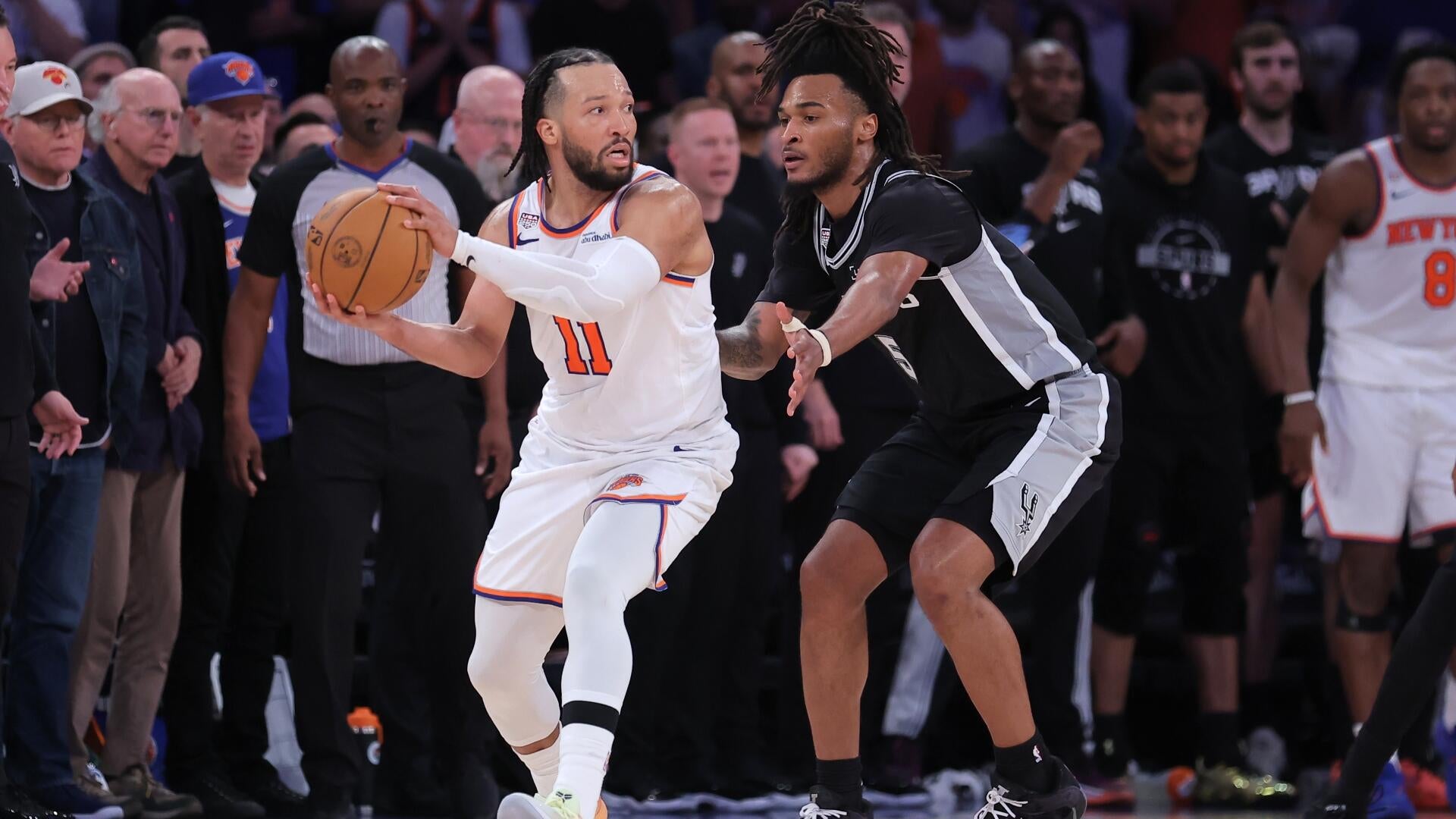
The Boston Celtics and Philadelphia 76ers face off at TD Garden in Game 7 on Saturday night, with the series deadlocked at 3-3 and a trip to the Eastern Conference Finals on the line.
The winner advances to face the New York Knicks or Indiana Pacers in the next round. The loser faces a long summer of roster reassessment and second-guessing about whether their core was ever truly built to win.
This is what the NBA regular season is for — to earn home court in moments exactly like this one. Boston has it. The Garden will be loud. The question is whether loud is enough.
The Road to Game 7
The series has been a study in competitive imbalance. Philadelphia took the first two games in Boston — a shocking result that raised immediate questions about whether the Celtics had the mental toughness to survive a seven-game series against a team built to exploit their weaknesses. The 76ers' half-court offense, predicated on Joel Embiid's ability to draw doubles and find open shooters, tested Boston's defensive communication in ways that the regular season had not.
Boston responded with three straight wins. The Celtics' transition game came alive, their role players started hitting shots they had missed in Games 1 and 2, and Jayson Tatum and Jaylen Brown began to assert themselves in isolation situations that had previously devolved into contested jumpers. The series returned to Boston with Boston leading 3-2.
Then Philadelphia went into Boston for Game 6 and won. The 76ers forced a Game 7 not by playing smarter than the Celtics but by playing harder — winning the rebounding battle, forcing turnovers in the half court, and getting to the free-throw line at a rate that the home team's physicality could not match. Game 7 is now a clean slate, with the Celtics holding the obvious structural advantage of home court but the 76ers carrying the momentum of a Game 6 road win that no one expected.
What the Numbers Say
SportsLine's predictive model entered the week with Philadelphia as a decided underdog in Boston — the Celtics opened as favorites by a margin consistent with home-court advantage in Game 7 situations over the past decade. NBA Game 7 home teams win approximately 75 percent of the time. The number holds across eras and styles of play, suggesting that the emotional and environmental factors of a winner-take-all game at home are simply too significant to discount, regardless of how the series got to that point.
The player prop markets have been active all week. SportsLine's model identified three specific prop bets it considered high-value entering the week — the specifics of those positions reflect an underlying analytical argument that the game will be decided not by stars but by secondary players who have outperformed or underperformed their historical baselines in each of the first six games. Whoever gets the better night from their supporting casts wins.
For Boston, that means Marcus Smart's outside shooting and Al Horford's ability to space the floor and bother Embiid defensively. For Philadelphia, it means the continued health and production of Tyrese Maxey and the secondary creation that allows the 76ers to score when Embiid rests. The sportsbooks have adjusted accordingly, moving lines as late-week betting action came in.
The Deeper Stakes
Neither franchise is rebuilding. Both are all-in on a window that, for each, has a defined and narrowing expiration date.
The Celtics have assembled a roster built around Tatum and Brown that is expensive, deep, and built to compete for championships now. Their front office traded away future assets to win the 2024 title and came up short. This iteration of the team is the same core, the same coach, and the same structural approach — if it fails again, the internal pressure for change will be significant.
Philadelphia's situation is more complex. Embiid won the MVP in 2023 and has since played through injuries that have compromised his availability in each subsequent postseason. The 76ers' supporting cast is built around了他的 health; if he is not effective, the architecture collapses. A second-round exit — particularly if it comes in seven games against a Boston team the 76ers were good enough to beat twice on the road — would raise questions about whether Philadelphia's core has been properly constructed for the demands of deep playoff runs.
Game 7 will answer some of those questions. It will also generate new ones.
What to Watch For
The first six minutes will matter disproportionately. TD Garden on Saturday night will be at its loudest in the opening minutes — the crowd will be energized, the players will be tight, and the team that settles into their offensive system first typically controls the game. Boston's pace in Game 6 was the worst of the series; if the Celtics come out sluggish again, Philadelphia will smell blood.
The officiating crew will be worth monitoring. In Game 6, Philadelphia shot 33 free throws to Boston's 19. The Celtics did not contest that disparity publicly, but a similar outcome on Saturday — in a game decided by single digits — would generate significant postgame discourse about how the physical approach is being called in the playoffs.
The line is set. The stage is set. The series is set. Boston or Philadelphia, one of them, ends the other's season on Saturday night in a building that has hosted some of the most consequential games in the history of the sport. The only prediction that holds with certainty is that it will not be decided until the final minutes.
Desk note: The wire framed this as a pure odds-and-predictions story. Monexus led with the institutional stakes — what each team's season outcome means for roster construction and competitive windows — and kept the analytical props in their proper context as a secondary data layer, not the lead.