Iran Rejects US Ceasefire Offer With 14-Point Counter-Proposal as Trump Warns of Strikes
Iran has formally rejected the United States' two-month ceasefire proposal, submitting a 14-point counter-proposal as nuclear diplomacy breaks down and Trump signals military action remains on the table.
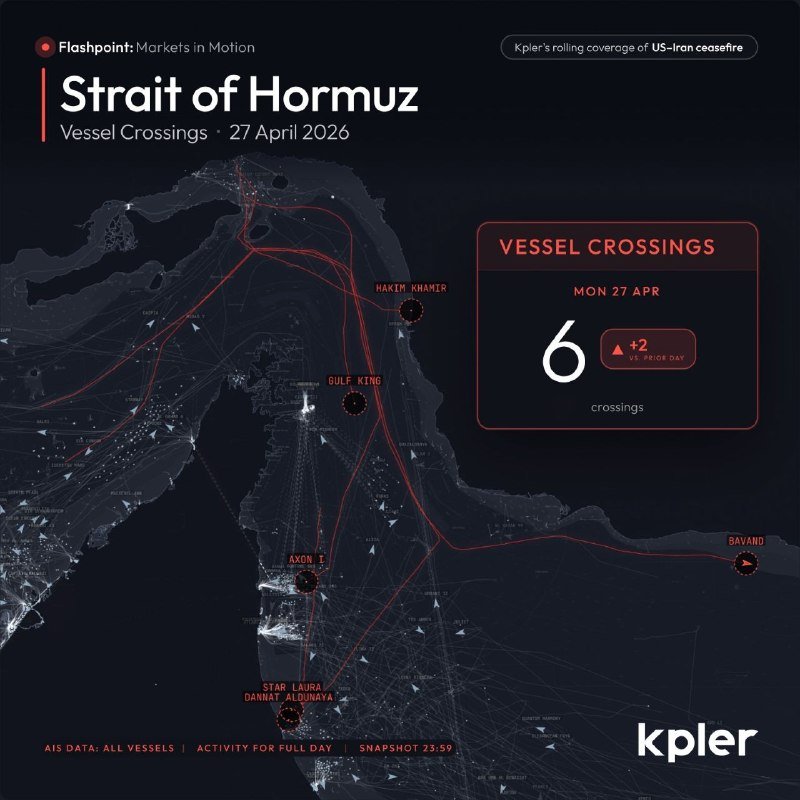
On 1 May 2026, Iran's leadership chose to formally refuse Washington's terms. The Islamic Republic submitted a 14-point counter-proposal in response to the American 9-point framework, rejecting out of hand a two-month ceasefire that the United States had proposed as a confidence-building measure, according to three sources tracking the talks. The document, delivered through Omani intermediaries, contains Tehran's conditions for any durable agreement — conditions the White House has already indicated it finds unacceptable.
The diplomatic exchange that followed made clear how little common ground remains. When asked whether he would accept Iran's terms, President Trump told reporters on 2 May that he could not "imagine" doing so, because Iran "has not yet paid a big enough price for what they have done to humanity and the world." The phrasing — deliberately vague on which acts constituted the transgression — left diplomatic observers parsing intent. Was it nuclear progress? Regional proxy activity? The restoration of the 2015 nuclear deal his predecessor had negotiated? The ambiguity served a purpose: it kept every option on the table.
The Strike Question
Pressed on whether further military action remained on the table, Trump did not equivocate. "That's a possibility. That could happen, certainly," he stated. His administration has conducted precision strikes against Iranian nuclear and energy infrastructure in recent months as part of what the White House described as a maximum pressure campaign. The framing, however, has shifted: where earlier strikes were presented as defensive responses to specific provocations, the president's language this week invoked retroactive punishment for historical conduct — a framing that alarms analysts who worry it signals mission creep beyond the nuclear file.
Maritime Tensions Compound the Diplomatic Damage
A secondary flashpoint emerged from remarks that drew a formal protest from Tehran. Trump's comments appeared to openly endorse the capture of Iranian vessels by American naval forces, prompting Iran to characterise the language as an "open admission" of unlawful conduct at sea. Iran's Foreign Ministry described the president's remarks as evidence that Washington could not be trusted to abide by rules it claims to uphold, complicating an already hostile negotiating atmosphere.
Is the Door Still Open?
The 14-point counter-proposal Iran sent is not a blank refusal. It references sanctions relief, asset restoration, and the restoration of civilian aviation routes — demands that have defined Tehran's position since the reimposition of American sanctions in 2018. The structured, formal nature of the Iranian response, rather than a dismissive public statement, suggests the current leadership has not entirely abandoned the negotiating channel. That is a narrow but real opening.
Whether it holds depends on several variables Washington has not yet resolved: the degree to which Trump's domestic political position requires a demonstrable concession from Iran; whether the Israeli government applies pressure that forecloses a deal Washington might otherwise accept; and whether the Omani and European intermediaries can propose a formula that lets both sides claim partial victory. None of these variables are currently resolved.
The structural stakes are clear. A breakdown consolidates American regional allies in the conviction that deterrence requires military force, not diplomacy. It accelerates Israeli calculations about acting unilaterally. And it leaves the nuclear file in a state where the only remaining pressure tools are sanctions — which have not demonstrably changed Tehran's calculus in the past — and strikes, which carry escalation risk that not even the White House appears comfortable articulating publicly.
For Europe, the challenge is acute: the continent has invested significant political capital in preserving a channel that keeps the Iranian nuclear programme below weapons-threshold. That investment is now at risk of becoming irrelevant.
The talks are technically still active. Both sides are preparing for the alternative. That is not the same as either side wanting war. It is the posture of parties who have not yet found a way to de-escalate without losing standing — and who are running out of time to find one.
Wire provenance
This editorial synthesis draws on the following public wire/social posts:
- https://t.me/amitsegal/12438
- https://t.me/Middle_East_Spectator/5821
- https://t.me/rnintel/8843