Trump's 'Profitable' Pirates Remark Reveals the Hollow Logic of America's Gulf Policy
When the president of the United States calls his own navy pirates and calls the seizure of foreign shipping a profitable business, the dissonance is not rhetorical — it is strategic. Something has broken in the logic of American Gulf policy, and the consequences are only beginning to unfold.
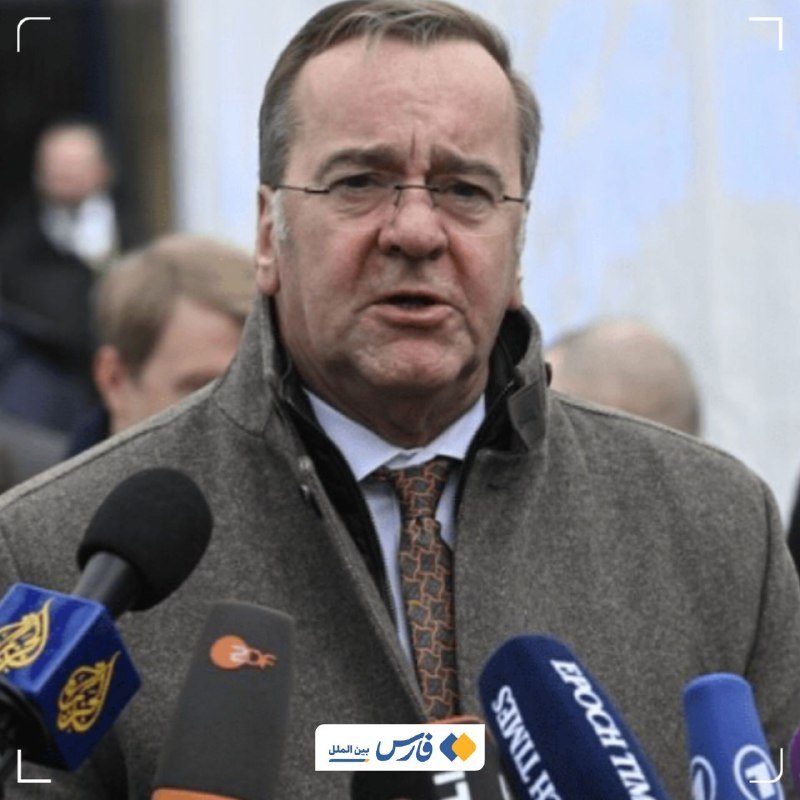
"We act like pirates. It's a very profitable business." The president of the United States, speaking on 2 May 2026, put it plainly. He was not being self-critical. He was, by his own account, describing American naval policy near the Strait of Hormuz — and presenting it as a feature.
The CBS news division, reporting the same day, had already fact-checked another of the president's Gulf claims: that Iran's navy and air force had been destroyed. CBS noted that this was not accurate. Iranian naval and air assets remain operational, if diminished. The two claims do not sit comfortably together. If Iran's military is in ruins, the seized vessels and cargo constitute easy pickings — the profit margin is high precisely because the threat has been neutralised. If Iran's military retains enough capacity to make this framing necessary, then the "destroyed" claim is simply false. Either way, the president's own office has issued a correction.
The Language of Justification Has Collapsed
Maritime interdiction is not new. The United States has maintained a海湾 presence for decades, and seizures of cargo under sanctions regimes — Iranian oil, North Korean vessels, items bound for sanctions violators — have occurred under multiple administrations. What is new is the vocabulary. Past administrations framed interdiction as enforcement of international law, compliance with UN resolutions, or deterrence of bad actors. The language was legalistic and multilateral. It referenced binding authority.
This administration has dropped that language entirely. What remains is transaction. Seize the ship, take the cargo, make money. When journalists pressed on the legality of intercepting vessels in international waters — a question with a genuinely contested legal history — the president's answer was not a legal argument. It was a commercial one. Piracy, in his framing, is acceptable if it pays.
The Iranian response has been predictable in its contours, if not in its intensity. Iranian state media characterised the remarks as a confession — an admission that the United States was acting outside any framework of legitimate authority. That framing is self-serving, but it is not without international resonance. Countries in the Global South, already sceptical of American military primacy, have a new data point: the White House itself has described its Gulf operations in terms that would apply equally to a Somali skiff operating in the Gulf of Aden.
The Germany Footnote Is Not a Footnote
On the same day the "pirates" remarks circulated, the Pentagon announced it would withdraw approximately 5,000 troops from Germany within the next six to twelve months. The announcement fulfilled a long-standing threat made by the president against the German chancellor over disagreements related to the US–Iran conflict. Berlin had resisted calls to support military action against Tehran and had questioned the legal basis for expanded US operations in the Gulf.
The withdrawal, while modest in absolute terms, carries signal weight. NATO's eastern flank — the alliance's primary strategic concern for the past decade — is being reoriented in response to a bilateral disagreement over Iran. The Bundeswehr is one of Europe's most capable military establishments. Removing American personnel from German soil over a policy dispute with the German government weakens NATO cohesion at precisely the moment US operations in the Middle East require Allied political cover.
European capitals are watching. The logic of alliance, for many NATO members, rested on the assumption that American military commitment was structural — embedded in treaty obligations and institutional habit rather than subject to commercial renegotiation. If US forces in Germany can be withdrawn because the chancellor declined to endorse a Gulf war, smaller allies will draw appropriate conclusions about the durability of American guarantees.
What Remains Unresolved
The sources do not specify what cargo has been seized, what legal authority has been cited, or what happens to the crews of intercepted vessels. The distinction between sanctions enforcement and piracy turns, in part, on those specifics — and those specifics are not yet in the public record from American official channels. What is clear is that the administration has abandoned the vocabulary that would make interdiction legally defensible to allied and neutral audiences.
Whether the operational gains outweigh the diplomatic costs is a calculation that plays out over months, not days. The seizure of Iranian oil generates revenue and demonstrates resolve. It also provides Tehran with evidence — confirmed now at the highest level — that American policy in the Gulf is predatory rather than legal. That evidence will be deployed in diplomatic settings where the United States currently has few friends and many doubts to overcome.
The president called it profitable. Whether the ledger balances when all costs — legal, diplomatic, alliance — are entered remains the unanswered question at the centre of this policy.
Wire provenance
This editorial synthesis draws on the following public wire/social posts:
- https://t.me/Irna_en
- https://t.me/mehrnews
- https://t.me/npr_topics_news