Iran Signals Hormuz Restraint While Tanker Attack Tests Regional Tensions
A Liberian-flagged oil tanker reported being attacked near the Strait of Hormuz on Saturday, as Iran simultaneously floated a new peace proposal — a juxtaposition that underscores the dual-track logic driving Tehran's regional posture.
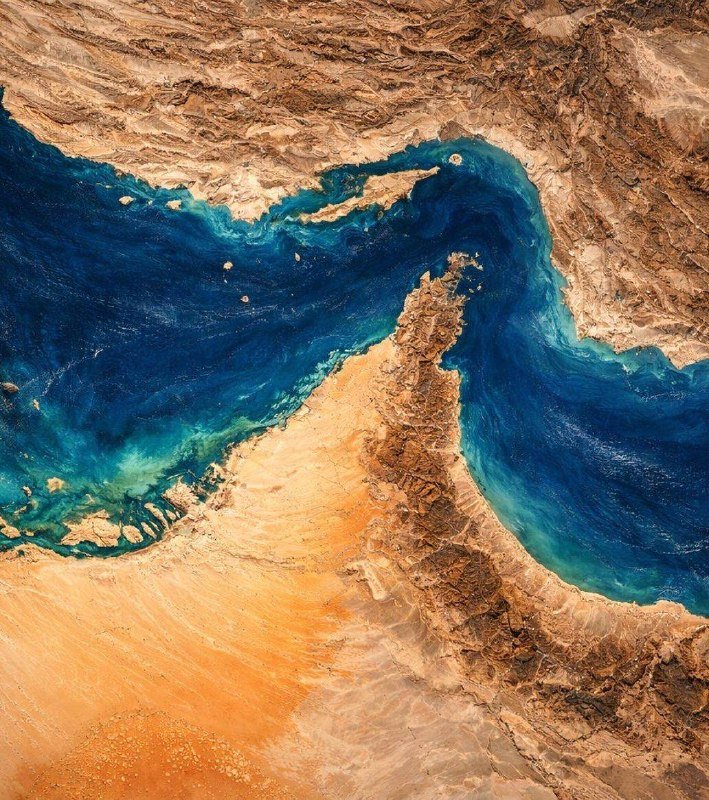
A Liberian-flagged oil tanker was attacked near the Strait of Hormuz on Saturday, according to initial reports from vessels monitoring the area. The vessel had attempted to bypass an Iranian-imposed blockade of the strategic waterway — a corridor that funnels roughly a fifth of the world's oil shipments. The timing of the incident coincided with Iran circulating a new peace proposal through diplomatic channels, a combination that framed the attack as a pressure lever rather than a rupture in Tehran's broader strategy.
The attack illustrates the precise tension that has defined the Hormuz corridor for years: Iran holds geographic leverage over one of the world's most critical chokepoints, and it deploys that leverage both as a coercive instrument and as a negotiating chip. The question facing Western capitals and their regional allies is whether these two modes — the gunboat signal and the diplomatic overture — are coordinated or operating on separate tracks.
The Attack and Its Context
The tanker, sailing under Liberian registry, was struck as it attempted to navigate what maritime tracking sources described as a non-designated corridor through the Hormuz passage. Iran has maintained an informal but detectable blockade posture for months, directing commercial traffic toward approved channels while warning that unsanctioned vessels risk interception. The flagged vessel's attempt to circumvent those channels placed it squarely in the operational zone of Iranian maritime forces.
PressTV, Iran's state English-language broadcaster, carried analysis framing Iran's control over the strait as an asymmetric asset. Contributor Batool Subeiti wrote that Iran's geographic hold makes any blockade targeting the country "costly and ineffective" — meaning Tehran can choke transit more easily than outsiders can relieve it. That framing runs directly counter to Western assumptions that economic pressure on Iran can succeed without controlling the Hormuz equation.
The South China Morning Post reported on Saturday that a cargo vessel near the strait had itself reported being attacked. The report noted the incident unfolded as Iran was simultaneously circulating a peace proposal — a detail that analysts read as intentional signal-sending rather than coincidence.
The Diplomatic Overlay
Tehran's simultaneous overture complicates any straightforward reading of the attack. Peace proposals aired during or immediately after a maritime incident carry a particular logic in Gulf statecraft: the proposing party signals it is not seeking total confrontation, while demonstrating it retains the capacity to impose costs. That combination is designed to raise the value of concessions from counterparties who might otherwise treat the proposal as a sign of weakness.
Western governments have historically been divided on how to respond to this pattern. Some officials argue that Iranian escalations during diplomatic windows are designed to improve negotiating leverage — and should be treated as evidence that sanctions pressure is working. Others contend that treating every overture as a tactical feint risks foreclosing genuine diplomatic off-ramps. Neither camp has convincingly resolved the tension.
Structural Drivers of the Hormuz Dynamic
The Strait of Hormuz sits at the intersection of several structural forces that make it permanently vulnerable to disruption. The Gulf states — principally Saudi Arabia and the UAE — rely on it to export the majority of their crude. Any significant disruption sends immediate ripples through global energy markets, which is why the United States maintains a sustained naval presence in the Gulf. That presence is itself a source of friction with Tehran, which views the US military footprint as an encirclement rather than a stabilizer.
Iran, for its part, has long understood that its most durable negotiating card is the strait itself. Naval mines, fast-attack craft, and anti-ship missiles give Tehran the ability to threaten commercial traffic at relatively low cost — and without necessarily triggering the kind of full-scale US response that would follow a direct attack on American vessels. That calculus has not changed, even as Iran faces heightened sanctions pressure from the United States and European Union. If anything, economic isolation has reinforced Tehran's incentive to weaponize geography rather than open it.
The attack on the Liberian-flagged vessel is consistent with this pattern: it punishes a specific actor for non-compliance, while the concurrent peace proposal keeps the diplomatic channel open. That is not a contradiction. It is the standard operating procedure of a state that has calculated it can both pressure and negotiate simultaneously.
What Remains Unresolved
The sources do not yet agree on the full extent of damage to the tanker or whether there were casualties. Maritime incident databases have not been updated with a confirmed casualty figure, and neither the vessel's operator nor its flag state administration had issued a public statement as of Saturday evening. The Iranian government has not publicly acknowledged responsibility for the strike, and no Western government had formally attributed it as of the time of this reporting.
The peace proposal itself remains in diplomatic channels — its specific terms have not been publicly disclosed, which makes it difficult to assess whether it represents a substantive negotiation framework or a rhetorical gesture designed to slow international consensus on further sanctions.
What is clear is that the Hormuz corridor will remain contested. The attack on the tanker is not an anomaly requiring explanation; it is a feature of a landscape in which one party holds geographic leverage, faces economic pressure, and sees no contradiction between negotiating and projecting force at the same time.
Monexus covered this incident with emphasis on Iran's dual-track posture — the attack and the diplomatic overture — rather than treating either as a standalone event. Western wire services led primarily with the attack-as-escalation frame.
Wire provenance
This editorial synthesis draws on the following public wire/social posts:
- https://t.me/presstv/39841
- https://x.com/sprinterpress/status/1920284699015462912