Iran Sets One-Month Deadline for US as Strait of Hormuz Becomes Bargaining Chip
Tehran's 14-point proposal demands the lifting of US naval blockade and permanent cessation of hostilities in Iran and Lebanon within 30 days, threatening to restrict the world's most critical oil transit corridor if ignored.
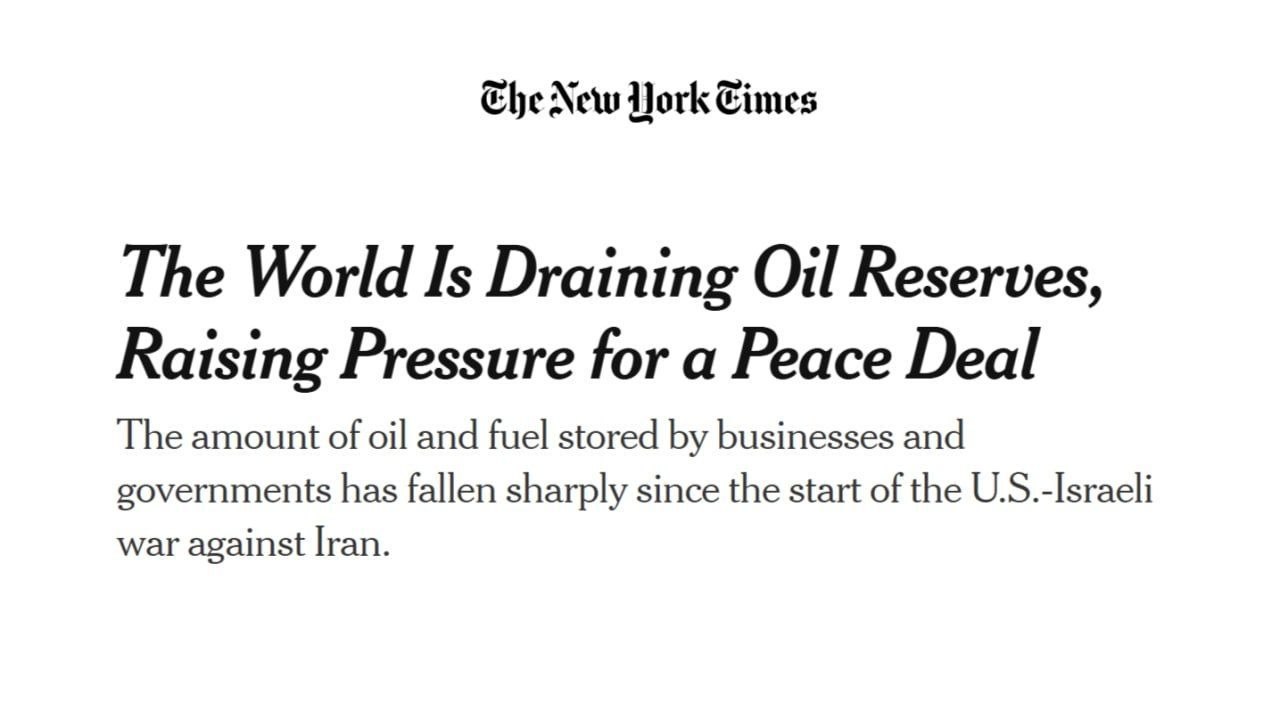
On 3 May 2026, Iran delivered a categorical demand to Washington: lift the naval blockade strangling its economy, end the war in all its dimensions, and do it within thirty days — or watch the Strait of Hormuz become a negotiating tool rather than an open waterway. The proposal, a 14-point response reported by Axios citing two informed sources, sets a deadline that places the world's most critical oil transit corridor squarely at the centre of a deteriorating regional stand-off.
The demand is specific and the timeline non-negotiable, according to the reporting. Iran wants permanent cessation of hostilities both inside its own territory and in Lebanon — where Hezbollah remains a standing concern for Israeli strategists — in exchange for what Tehran describes as a "limited and controlled opening" of the strait. A parallel legislative track inside Iran would, if passed, codify restrictions on traffic through the passage, giving the ultimatum legal as well as military weight.
The Anatomy of the Demand
The 14-point proposal, as characterised by Axios's reporting, is not a peace feeler. It is a counter-offensive conducted in diplomatic language. By presenting itself as the party offering terms rather than the one receiving them, Tehran is reframing the dynamic: the United States, in this telling, is the party with something to lose, and the deadline is designed to expose whatever gap exists between Washington's stated willingness to negotiate and its willingness to move on the blockades that are visibly squeezing Iranian commerce.
The naval blockade, maintained under the expanded sanctions architecture that followed Iran's October 2026 military operations, has effectively sealed off the country's Gulf access points. Iranian vessels — commercial and military — face interdiction. The strait itself remains nominally open to third-party traffic, but the pressure on Iran's ability to move oil, import goods, or sustain maritime commerce has been substantial. Iran's counter-move is to threaten the same mechanism in reverse: if the strait closes, or is legislatively gated, the global oil market absorbs a supply shock that dwarfs the current pressure on Tehran.
A law empowering Tehran to restrict strait traffic is being prepared concurrently, according to reporting from TSN_ua on 3 May 2026. The timing is not coincidental. Iran is constructing a two-track threat — one diplomatic, one legislative — that allows it to claim it is acting within domestic legal frameworks while delivering a signal to Washington that the Hormuz option is live.
Reading the Counter-Argument
The counter-read is available and worth stating plainly: Washington will argue it is not conducting a "blockade" in any legal sense, but enforcing existing sanctions that target Iranian oil revenues and weapons programmes. The Biden-era and subsequent administrations have maintained that their posture is defensive — a response to Iranian aggression, not a prelude to economic strangulation. Under that framing, Iran's ultimatum is an attempt to launder aggression by presenting it as a negotiating overture.
There is something to that argument. The proposal does not acknowledge the original provocation — Iran's October 2026 military operations that triggered the current escalation cycle — and presenting itself as the party offering terms is a rhetorical move that deserves scrutiny. Iran is, in this version of events, the aggrieved party seeking a ceasefire; in the Western version, it is the actor whose prior behaviour generated the response it now wants to reverse.
Neither framing is entirely wrong. The question is which party has more leverage in thirty days — and that calculation changes depending on who you ask in the Gulf, in Brussels, in Beijing, and in Washington itself.
The Structural Weight of the Hormuz Card
Approximately 20 percent of the world's oil passes through the Strait of Hormuz. That figure is so widely cited it has almost lost its shock value, but the underlying reality has not changed: any credible threat to close or gate the passage transforms a regional dispute into a global commodity crisis. Asian buyers — China, Japan, South Korea, India — have direct exposure. European energy markets, still recovering from the Russian pipeline disruptions of the early 2020s, have limited spare capacity to absorb a Gulf shock.
This structural dependency is Tehran's most potent argument and its most dangerous one. Every time Iran raises the strait, it is not merely threatening Israel or the United States. It is threatening the entire architecture of Asian industrial energy supply that the post-war global economy runs on. That is why Beijing, which has attempted to position itself as a neutral arbiter in Gulf diplomacy, watches these moments with a different quality of attention than Western capitals. China's stake in unimpeded Hormuz transit is not ideological. It is existential to its manufacturing base.
The proposal therefore does something that purely military analysis misses: it inserts third-party stakes into what Washington and Tehran might prefer to frame as a bilateral confrontation. If the strait is threatened, the question of who bears responsibility for the global economic consequence becomes a diplomatic battlefield in its own right. Iran knows this. The one-month deadline is calibrated not just for the US executive, but for the markets and governments that will pressure Washington to avoid the closure.
What Remains Unknown
The sources do not specify what "limited and controlled opening" means in operational terms — whether Iran is proposing a phased reopening, a quota system for vessels, or some other mechanism. The reporting characterises the offer as conditional on US behaviour across multiple fronts simultaneously, which raises the question of sequencing: does Tehran get its concessions first, or does Washington? Neither side's preference on that sequencing has been reported.
The legislative track inside Iran — the proposed law restricting strait traffic — is at an early stage, and it is unclear whether it would pass in its current form, what penalties it would impose, or how enforcement would work against non-Iranian vessels. It is possible the law is signalling material rather than imminent policy, a pressure lever rather than a trigger. The sources do not adjudicate that question.
What the sources do make clear is that the proposal exists, that it carries a thirty-day deadline, and that it connects the strait's status directly to the question of whether the broader regional conflict continues or ends. Washington has not formally responded. The deadline runs from the moment of delivery, which reporting places at the early hours of 3 May 2026. The next thirty days will test whether either party believes it has more to gain from compliance than from escalation.
This publication's coverage of the Gulf stands-off has prioritised reporting on the structural economics of strait access alongside the diplomatic record — a lens that Western wire coverage has historically subordinated to military and political framing.
Wire provenance
This editorial synthesis draws on the following public wire/social posts:
- https://t.me/Middle_East_Spectator/2842
- https://t.me/tsn_ua/1893
- https://t.me/osintlive/8912
- https://t.me/FarsNewsInt/4561