Israel Readies Contingencies as Iran Nuclear Proposal Tests US Diplomatic Window
Israeli Channel 12 reports Tel Aviv is preparing for multiple scenarios as the Trump administration weighs an Iranian offer that would dismantle nuclear facilities and halt regional hostilities — a potential deal that Israeli officials appear deeply skeptical about.
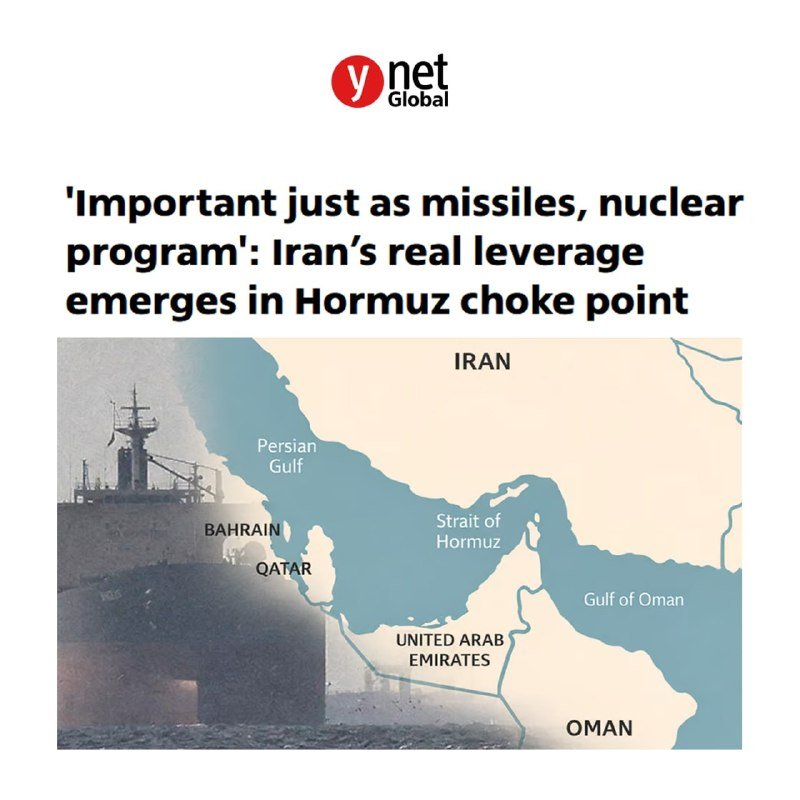
Israeli defense and political officials are preparing for a range of scenarios as the United States evaluates an Iranian proposal that, if accepted, would fundamentally reshape the regional order, according to reporting by Israeli Channel 12 on 3 May 2026. The proposal reportedly includes the dismantling of nuclear facilities, a comprehensive regional ceasefire, gradual reopening of the Strait of Hormuz, and a phased lifting of sanctions — terms that Tel Aviv has greeted with pronounced skepticism.
The details emerging from Channel 12 suggest an offer more substantive than previous diplomatic overtures. But Israeli officials, speaking through the same outlet, have signaled that Tel Aviv is not waiting passively for the outcome of American-Iranian talks. Preparations for multiple response pathways are underway, a posture that reflects a long-standing Israeli doctrine of retaining independent capacity to act regardless of allied diplomatic trajectories.
What the Iranian Proposal Contains
According to the Channel 12 reporting cited by multiple Telegram channels on 3 May 2026, the Iranian offer encompasses four main components. First, Tehran would undertake the physical dismantling of nuclear-related facilities — a concession that would, if genuine, represent a significant reversal from Iran's previous position that its nuclear program is purely peaceful. Second, a region-wide cessation of hostilities would accompany the nuclear steps, bringing an end to proxy conflicts and support networks that have defined Middle Eastern geopolitics for more than a decade. Third, the Strait of Hormuz — through which approximately one-fifth of global oil shipments pass — would gradually reopen, easing a choke point that has periodically been a flashpoint for naval confrontation. Fourth, sanctions relief would come incrementally rather than in a single act, tied to verifiable compliance benchmarks.
The specificity of these terms suggests either a serious negotiating position or a calibrated effort to test the boundaries of what Washington might accept. Iranian state media and affiliated outlets have carried the framing that the offer is designed to resolve the standoff through diplomatic means, though independent verification of the proposal's exact contours remains limited outside of Channel 12's reporting.
Israeli Skepticism and the "Inevitable" Return to Conflict
Israeli Channel 14, also reporting on 3 May 2026 and citing unnamed Israeli officials, offered a markedly different reading of the situation. According to that reporting, senior Israeli figures view a resumption of hostilities with Iran as "inevitable and only a matter of time." The phrasing suggests that Israeli decision-makers see the current diplomatic overture not as a durable peace framework but as a temporary pause — one that merely delays a reckoning Tehran has long anticipated.
This posture is consistent with statements from Israeli defense officials over the past eighteen months, who have repeatedly insisted that no diplomatic agreement can provide the guarantees that military capability can. The Channel 14 framing reflects an institutional belief that Iran's nuclear ambitions cannot be permanently constrained by paper commitments and that the Jewish state's security requires retained freedom of action.
Israeli Channel 12's reporting that Tel Aviv is preparing for multiple American response scenarios adds another dimension. It suggests that Israeli planners are modeling not just the possibility of a US-Iran deal being reached, but various forms that such a deal might take — including scenarios where Washington pressures Israel to accept terms it finds unsatisfactory, or where American policy pivots away from the region entirely.
The American Calculus
For Washington, the proposal presents a classic dilemma between maximum pressure and durable resolution. The Trump administration has signaled interest in a negotiated outcome since taking office, viewing a diplomatic settlement as preferable to either indefinite sanctions enforcement or military confrontation. The Iranian offer, if accurately reported by Channel 12, would give the White House something it has sought: a verifiable pathway to neutralizing Iran's most sensitive nuclear activities without a ground invasion.
The Strait of Hormuz dimension is particularly significant. Tensions over the waterway have periodically escalated to the point where US naval forces and Iranian assets have come into close proximity. A reopening — even gradual — would reduce a persistent flashpoint and deliver a tangible economic benefit to global markets. The phased sanctions relief, meanwhile, offers Washington a lever:维持 leverage through staged concessions tied to compliance, rather than granting relief upfront.
The American posture toward allies, however, remains a complicating factor. Israeli concerns about an Iran deal that prioritizes American interests over regional partner security have been a fixture of bilateral discussions for years. How the White House manages Tel Aviv's objections — and whether Israeli contingency preparations generate counter-pressure on American decision-making — will be a test of the alliance relationship.
Stakes and Forward Trajectory
If the Iranian proposal represents a genuine negotiating position rather than a tactical signal, it marks a potential turning point in the Middle East's security architecture. A durable nuclear settlement would remove a threat that has animated Israeli strategic planning for decades and that has been a persistent source of regional instability. It would also alter the calculus for American force deployments in the Gulf.
If, conversely, the proposal is a temporary diplomatic gambit — or if negotiations collapse under the weight of Israeli opposition and American domestic politics — the "inevitable" conflict frame from Israeli Channel 14 assumes greater weight. Preparations for multiple scenarios suggest Tel Aviv is not treating either outcome as certain.
What remains unclear is the degree to which the various elements of the proposal — nuclear dismantlement, regional ceasefire, Hormuz reopening, sanctions relief — are genuinely linked in Tehran's negotiating posture, or whether they represent separate bargaining chips being floated simultaneously. The next weeks will likely determine whether the diplomatic window is genuine or whether it closes as Israeli officials appear to expect it will.
Israeli Channel 12, Channel 14, and the Telegram channels carrying their reporting provide the primary sourcing for this story. Monexus has not independently verified the full contents of the Iranian proposal; readers should treat the specific terms as reported rather than confirmed.
Wire provenance
This editorial synthesis draws on the following public wire/social posts:
- https://t.me/BellumActaNews
- https://t.me/FarsNewsInt
- https://t.me/wfwitness