Israel's West Bank Raids and the Problem With Calling Occupied Homes 'Barracks'
Israeli forces storming Palestinian towns in the northern West Bank and reportedly converting civilian dwellings into military positions is not a new tactic — but its normalisation deserves scrutiny.
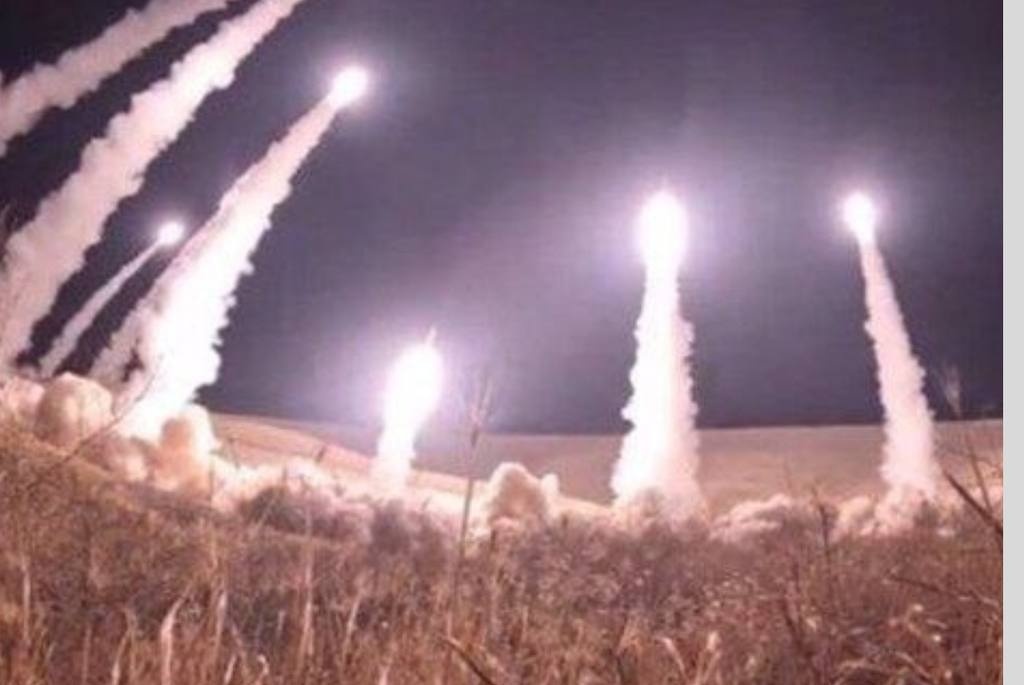
The practice is rarely acknowledged in official briefings, but it is documented enough that it no longer qualifies as exceptional. On 3 May 2026, Palestinian sources — cited by Al Alam Arabic across multiple urgent dispatches — described Israeli forces entering the town of Sidon, north of Tulkarm, and occupying civilian homes, converting them to military positions. A separate operation in the nearby village of Deir Al-Ghusoun resulted in the arrest of three young men. Both incidents took place in the northern West Bank, in territory that has been under Israeli military occupation under international law since 1967.
The language matters. In military doctrine, a barracks is infrastructure — it implies a systematic, structured presence. What Palestinian accounts describe is something more episodic: forces entering a residential dwelling, using it as an operational foothold, and leaving — or not leaving — as the tactical situation dictates. The distinction between an improvised forward operating base and a purpose-built barracks is not merely semantic. It determines how the international community frames the legal status of the structure, the protections owed to its occupants, and whether what happened constitutes a violation of the laws of occupation.
A Pattern With Precedent
Israeli military operations in the northern West Bank have intensified since the events of October 2023, but the practice of using Palestinian homes as observation posts, detention sites, and firing positions has roots going back decades. Human rights organisations including B'Tselem and Yesh Din have documented it over multiple military campaigns. The legal framework is not ambiguous: under the Fourth Geneva Convention, occupying powers are prohibited from transferring parts of their own civilian population into occupied territory, and occupied dwellings may not be requisitioned for the exclusive use of the occupying army without genuine military necessity and adequate compensation — a standard that, in practice, is almost never met.
The argument from the Israeli side, when it is made explicitly, tends to rest on operational urgency: forces confronting armed groups in dense urban terrain need local elevation and interior cover, and Palestinian structures provide both. That rationale has been accepted, at least operationally, by Western governments that continue to fund and supply the Israeli military. It has not been accepted by UN bodies or by the International Court of Justice, which has consistently held that such uses of occupied civilian property constitute a breach of the laws of war regardless of whether the occupying power faces an armed resistance.
The Language of Normalisation
What is new, in recent years, is not the practice itself but the ease with which it moves through media without generating formal accountability. Reports of homes converted to military use appear on regional wires and are filed under the broad category of "security operations." Western diplomatic statements, when they come at all, tend to reference Israel's right to self-defence without specifying which of its practices in occupied territory they consider defensible. The asymmetry is structural: Israel's military actions are assessed against their stated security purpose; Palestinian civilian outcomes are assessed against their statistical contribution to conflict metrics.
This framing does not emerge from malice. It reflects the information environment that official sources create. Defence briefings, military communiqués, and government spokespeople in Western capitals operate with a vocabulary that isolates tactical necessity from legal obligation. Civilian harm — including the appropriation of homes — gets folded into the generic category of "incidental" damage, provided the stated aim was a legitimate military target. The result is that the same act can be described as a barracks seizure in a Palestinian dispatch and as a targeted counter-terrorism operation in an Israeli one, without either description being dishonest.
What Accountability Would Require
Accountability is not a single mechanism. It operates across legal, diplomatic, and reputational registers, and none of them functions reliably when the actors involved hold unequal positions of power. The International Criminal Court has jurisdiction over war crimes allegedly committed in the Palestinian territories, but its investigations move slowly, and its enforcement capacity is limited. UN mechanisms — including the Special Rapporteur on the situation of human rights in the Palestinian territories — have issued reports that document these practices in detail; they are routinely noted by Western delegations and equally routinely set aside in bilateral conversations.
The diplomatic channel is the most immediate lever, and it is the one that produces the most visible normalisation. When Western governments frame every Israeli military action as presumptively legitimate, they remove the pressure that might otherwise constrain the specific choices an occupying force makes about how it uses Palestinian civilian property. The arrests in Deir Al-Ghusoun and the house-to-barracks conversions in Sidon are not, in themselves, the most severe violations that the laws of occupation prohibit. But they are acts that a functioning accountability system would flag, document, and treat as requiring explanation. The fact that they pass without formal challenge is not an accident of oversight. It is a consequence of the framing choices made at every level of the diplomatic and media response.
The article draws from a narrow factual base — four Telegram dispatches from Al Alam Arabic, all citing Palestinian sources, covering two separate operations in the northern West Bank on 3 May 2026. Al Alam is a Qatar-funded broadcaster with a specific editorial lens on this conflict. Monexus has chosen to report what those sources describe while flagging the structural gap between what Palestinian reporting documents and what the wire services and Western governments will formally acknowledge. That gap is the story.
Wire provenance
This editorial synthesis draws on the following public wire/social posts:
- https://t.me/alalamarabic/384234
- https://t.me/alalamarabic/384218
- https://t.me/alalamarabic/384203
- https://t.me/alalamarabic/384202