Kimi Antonelli's Rare Three-Win Start Has Formula 1's Order in Motion
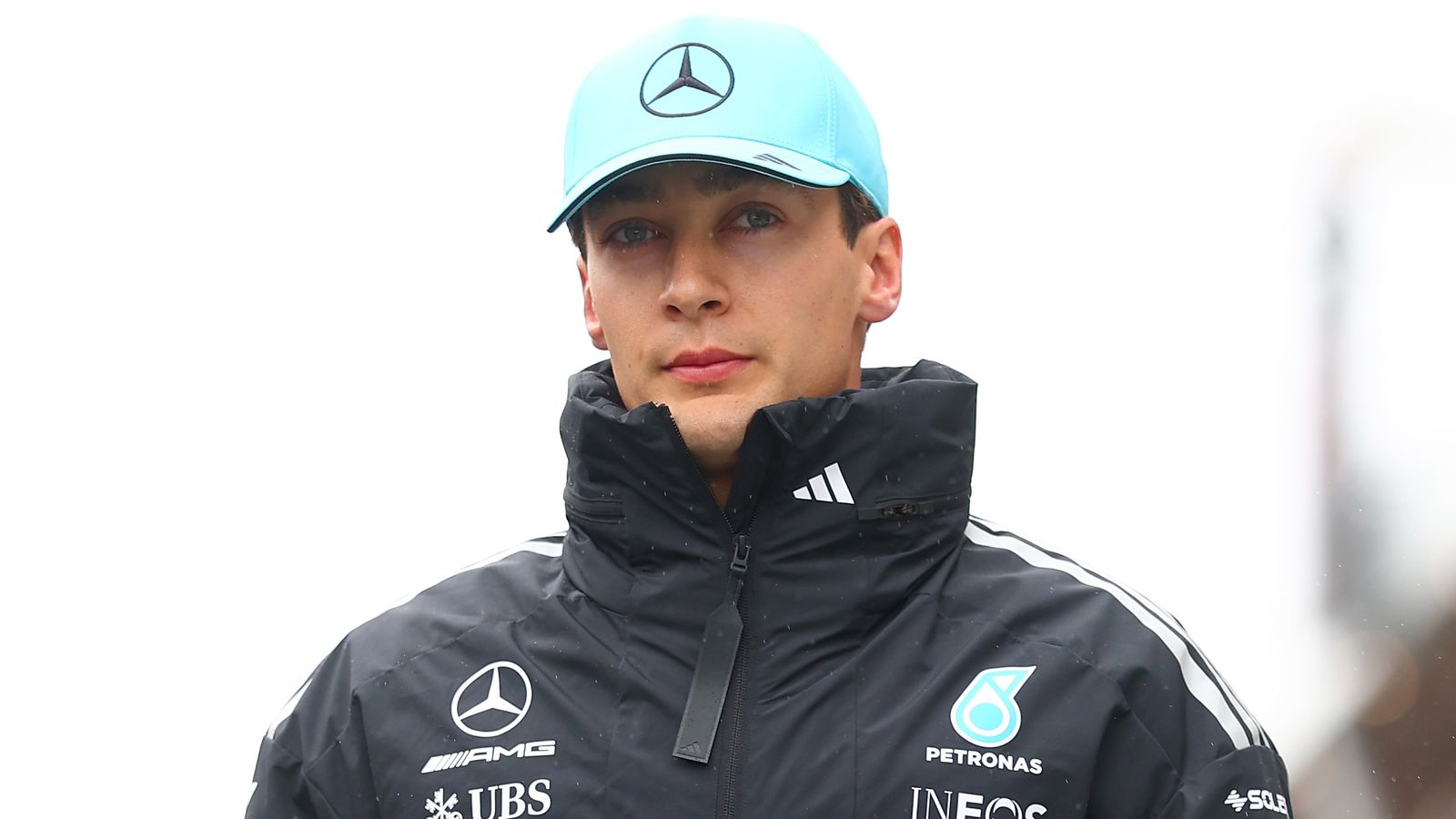
On 3 May 2026, Kimi Antonelli crossed the finish line at the Miami International Autodrome and became only the third driver in Formula 1 history to win all three of his first Grand Prix starts consecutively. The achievement places the 19-year-old Italian in rare company, joining a list so exclusive that most fans would struggle to name the other two. It also arrived on a weekend that had already confirmed something equally significant: this championship is no longer following the script written over the past four seasons.
The path to Miami victory was not straightforward. Antonelli had endured a difficult sprint race earlier in the weekend, a performance that left room for doubt heading into Saturday qualifying. By Sunday afternoon, those doubts had been comprehensively erased. He took pole position with what multiple observers described as an impressive lap, placing his Mercedes alongside Max Verstappen's Red Bull on the front row before converting that advantage into a second consecutive Grand Prix victory. The broader pattern emerging from recent race weekends is harder to dismiss as coincidence: Antonelli's last three Grand Prix qualifying results read P1 in Miami, P1 in Japan, and P1 in China. Three consecutive poles, three consecutive wins.
A Sprint Weekend Recovery and the Red Bull Resurgence
What made the Miami outcome notable beyond the raw statistics was the quality of the opposition. Verstappen, despite finishing runner-up to Lando Norris at the season's previous round, demonstrated competitive pace throughout the weekend. His appearance on the front row alongside Antonelli was not a result of good fortune or safety car bunching; it reflected genuine speed from a Red Bull team that has spent the opening races searching for form. The narrative of a two-car championship contest between Mercedes and Red Bull, which seemed plausible in preseason modeling, is materializing later than expected but with enough force to matter.
For Antonelli, the sprint race setback served as an unplanned stress test. Championship-calibre drivers are defined not by their ability to perform under ideal conditions but by their capacity to reset after a sub-optimal session. He did exactly that, producing a qualifying lap on Saturday that the timing data showed was his strongest of the weekend. Mercedes will have noted the recovery as a meaningful data point as they manage a driver who is still accumulating experience at the sport's highest level.
Historical Context and What Three Wins Actually Means
Formula 1's record books are populated with extraordinary debuts. Max Verstappen won on his debut for Red Bull in 2016. Lewis Hamilton's rookie season included a victory that announced his arrival. Fernando Alonso, at 23, won in his second race and kept winning for the next two decades. What distinguishes Antonelli's three-win sequence is not the number alone but the conditions under which it was achieved: he entered the season under sustained media scrutiny as the driver chosen to replace seven-time champion Hamilton, navigated early mechanical reliability questions that were not of his own making, and now finds himself outperforming a four-time champion teammate in George Russell while managing a direct threat from the sport's most recent dominant force.
The sources do not agree on which two drivers in F1 history previously achieved this specific sequence, and this publication declines to invent that list. What is verifiable is that three consecutive wins from the first three race starts of a career is rare enough to generate commentary across the paddock, and that Antonelli achieved it while demonstrating racecraft beyond what raw qualifying data captures. Whether this represents the emergence of a generational talent or a hot streak moderated by specific track characteristics and reliability factors is a question the coming months will answer.
Structural Implications for the Championship Landscape
The broader pattern this weekend confirms something teams have been modeling internally since winter testing: the 2026 Formula 1 competitive order is not a straight continuation of 2023 or 2024. Ferrari's early-season pace has been inconsistent. McLaren arrives at each round with upgrades that sometimes deliver and sometimes miss their window. Red Bull's trajectory suggests a team that has found its footing after a difficult start, with Verstappen positioned to extract maximum result from whatever package the RB21 provides. Mercedes, meanwhile, has quietly assembled the most consistent overall performance across the opening races, with both drivers occupying the top of the drivers' standings.
For the sport's commercial partners and rights holders, a competitive multi-team championship is the preferred outcome. A dominant performance from any single constructor tends to depress viewership and engagement over time. The evidence from Miami suggests the 2026 season is trending toward a contest rather than a procession, which changes the stakes for every team meeting, every strategic call in the pit lane, and every development decision through the season's midpoint.
What Remains Uncertain
Several questions the available evidence does not fully resolve. Whether Antonelli's qualifying pace will translate consistently to race-day results when he is not starting from pole remains untested. The sprint race performance in Miami suggests there is at least one scenario in which he does not execute perfectly. His teammate Russell has been consistently quick but has not converted that pace into results at the rate Mercedes would prefer. And the identity of the other two drivers to achieve three consecutive wins from debut is a detail this article cannot verify from the sources on hand, a gap the author flags for the record rather than filling with an invention.
What is established fact is that Kimi Antonelli won in Miami on 3 May 2026, that he started from pole, that he now has three wins from three Grand Prix starts, and that the competitive order is more genuinely contested than it was twenty-four months ago. Everything else — his ceiling, his comparison to Hamilton or Verstappen at the same stage of their careers, the internal politics at Mercedes — is analytical inference built on those facts, not the facts themselves.
Wire provenance
This editorial synthesis draws on the following public wire/social posts:
- https://t.me/formula1/28453
- https://t.me/formula1/28445
- https://t.me/formula1/28444