Mainoo's late winner seals United's return to Champions League
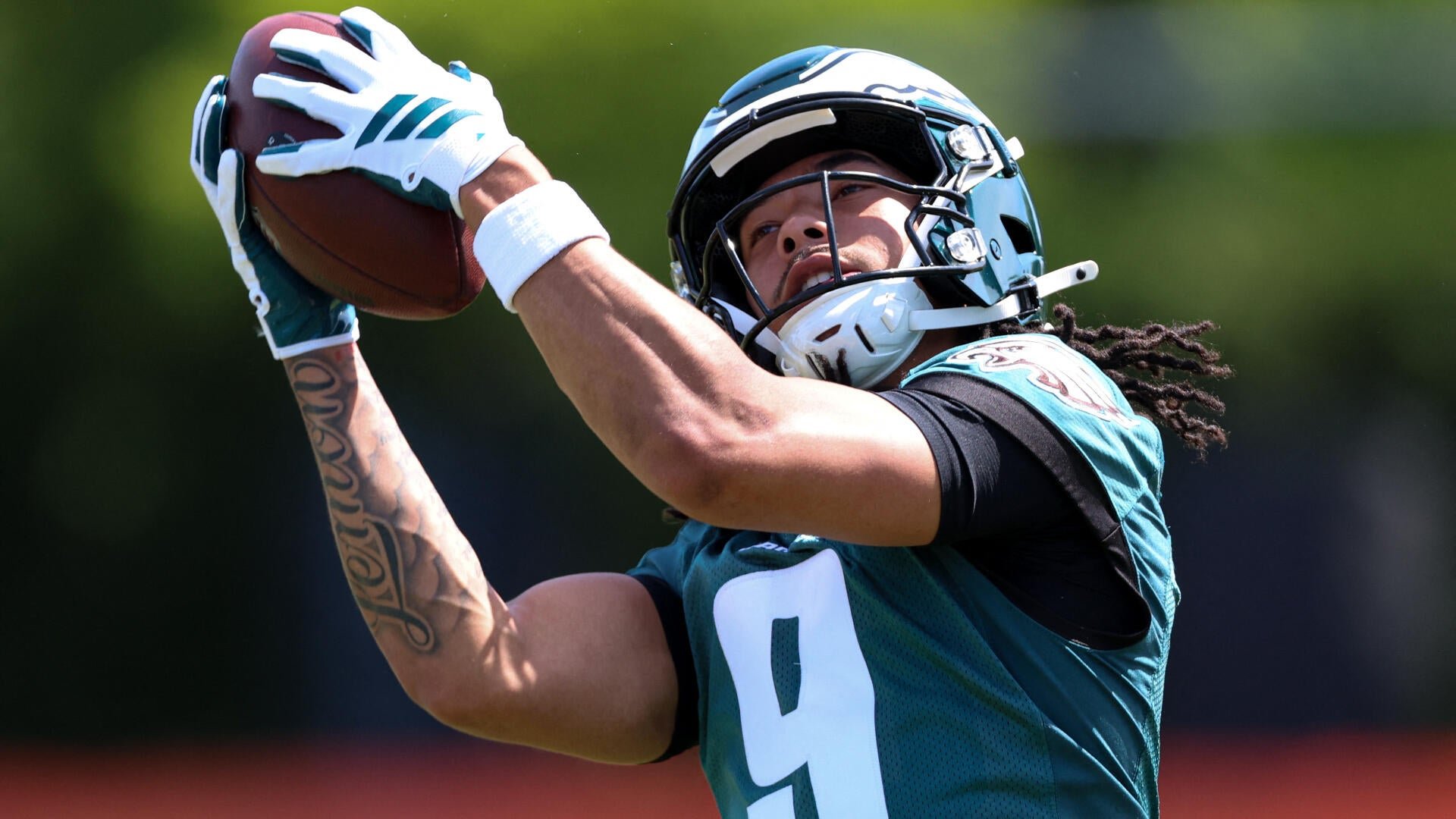
On a raucous evening at Old Trafford on 3 May 2026, Kobbie Mainoo — a product of Manchester United's academy — struck in stoppage time to hand his side a 3-2 win over Liverpool and, with it, the return to the Champions League that the club's supporters had spent a season demanding. The goal, swept home from a United counter-attack after a Liverpool corner, sent the home end into delirium and left Liverpool's title challenge in acute difficulty, Arsenal and Newcastle now close enough to sense blood in the water. It was, in every sense, the marquee moment Mainoo's development had been building towards.
Mainoo's emergence this season has been one of the more compelling narratives in a campaign that offered United fans precious little else to celebrate. Where a year ago he was learning the rhythms of senior football under a different manager, he is now the tactical heartbeat of a side playing a coherent 3-4-3 shape that gives him the freedom to break defensive lines and arrive in dangerous areas. His performance against Liverpool crystallised exactly what United's midfield has provided all season: a quiet, constant pressure-relief valve that allows the wing-backs and attacking three to operate with relative licence. The winning goal on Saturday underlined a quality that United's midfield has lacked for some time — the ability to punish a disorganised opponent in transition with speed and composure in equal measure.
Liverpool's midfield exposed
Liverpool arrived at Old Trafford with the league's title race in their hands. They left with egg on their faces and, more consequentially, with their grip on that race visibly loosened. The midfield battle told the story. Liverpool's three-man engine room — Mac Allister anchoring, Gravenberch and another alongside — found themselves repeatedly exposed as United's counters gained pace. Mac Allister, pushed into a holding role he does not naturally inhabit, lacked the positional discipline to screen the back four when Liverpool committed numbers forward. The result was a succession of passages in which United tore through the middle of the pitch with little resistance. That vulnerability has been a feature of Liverpool's season under Arne Slot, and against an opponent with United's pace on the break, it proved costly.
Konaté's contribution to United's second goal — a loose pass that invited the foul leading to the penalty — was the kind of individual error that tends to define tight games. But it was also symptomatic of a broader disorganisation that set in once Liverpool had taken the lead and failed to consolidate. A team built to win a title cannot afford to be carved open twice in twelve minutes by a side that had, until this fixture, been defined by inconsistency rather than late-game ruthlessness.
The midfield comparison that defined the contest
The Guardian's analysis of the game noted a striking observation: Mainoo's performance drew a direct comparison from elsewhere in European football, with Sesko suggesting the young United midfielder was already operating at a level that warranted serious consideration. The comparison was not casual. Mainoo's movement, his ability to time his runs behind the opposition's defensive line, and his comfort in tight spaces have drawn consistent praise throughout the campaign. What Saturday night provided was the definitive statement — a goal in the most pressurized environment of the season, scored with the kind of calm that experienced professionals sometimes struggle to summon.
The contrast with Liverpool's midfield production was stark. United's three goals came from three different scorers — McTominay, Bruno Fernandes from the penalty spot, and Mainoo — but all were manufactured through the centre of the pitch. Liverpool's own midfield, by contrast, offered little in the way of creative incision in the final third. Mac Allister worked hard but lacked the platform to influence the game. The result was a Liverpool side that looked dangerous on the counter but pedestrian in sustained possession, a combination that proved insufficient against a United team finally playing with a clear tactical identity.
Structural shift: Old Trafford finds its spine
The win over Liverpool is United's fourth consecutive home victory, a run that has quietly rebuilt some of the fortress atmosphere that Old Trafford once commanded as a matter of course. Manager Rúben Amorim has been the architect of that shift. His 3-4-3 system — initially met with scepticism given his limited time to implement it — has given United a defensively stable platform and, crucially, a midfield structure that accommodates Mainoo's particular gifts. The Portuguese coach has not attempted to remake the squad in his image in a single season; he has adapted his system to the personnel available, and the results are beginning to show.
Champions League qualification carries substantial financial implications beyond the obvious prestige. UEFA distributions, improved broadcast revenue, and enhanced commercial appeal follow automatically. For a club that spent much of the post-Ferguson era lurching between tactical models and managerial appointments, the prospect of a summer transfer window spent planning for European competition rather than scrambling for domestic survival represents a meaningful change in trajectory. The question for United's hierarchy is whether the recruitment strategy will align with the structural needs that Amorim's system exposes. A midfield partner for Mainoo, one capable of complementing rather than competing with his forward surges, would be the obvious priority.
What the result means for Liverpool's title hopes
The broader stakes extend well beyond Manchester. Liverpool entered this fixture leading the Premier League. They leave it in a position that requires favourable results elsewhere to maintain their advantage. Arsenal, who have a game in hand, are now within touching distance. Newcastle are not far behind. A run of four games without a win — reported across multiple outlets as a concerning dip — has introduced a fragility into Liverpool's season that was not visible a month ago. Slot has guided his side through a difficult campaign with considerable credit, but the lack of European football this season, while cited by some as a competitive advantage, has not produced the relentless league consistency that a title charge demands. The margin for error has all but disappeared.
For United, the immediate reward is concrete. Champions League football returns to Old Trafford. Mainoo's winner guarantees it. The longer-term prize — a summer window structured around competitive participation rather than crisis management — is where this result will be judged. Saturday night was the punctuation on a difficult season. The next chapter begins in July.
This publication covered the match with emphasis on structural and tactical analysis rather than the result-first framing common across the wire services.
Wire provenance
This editorial synthesis draws on the following public wire/social posts:
- https://t.me/Premier_League/12438