Miami GP Qualifying Delivers Early Shock as Alonso, Perez Exit in Q1
Fernando Alonso and Sergio Perez both failed to advance beyond Q1 at the Miami International Autodrome, while several young drivers also struggled in a qualifying session that produced unexpected grid positions.
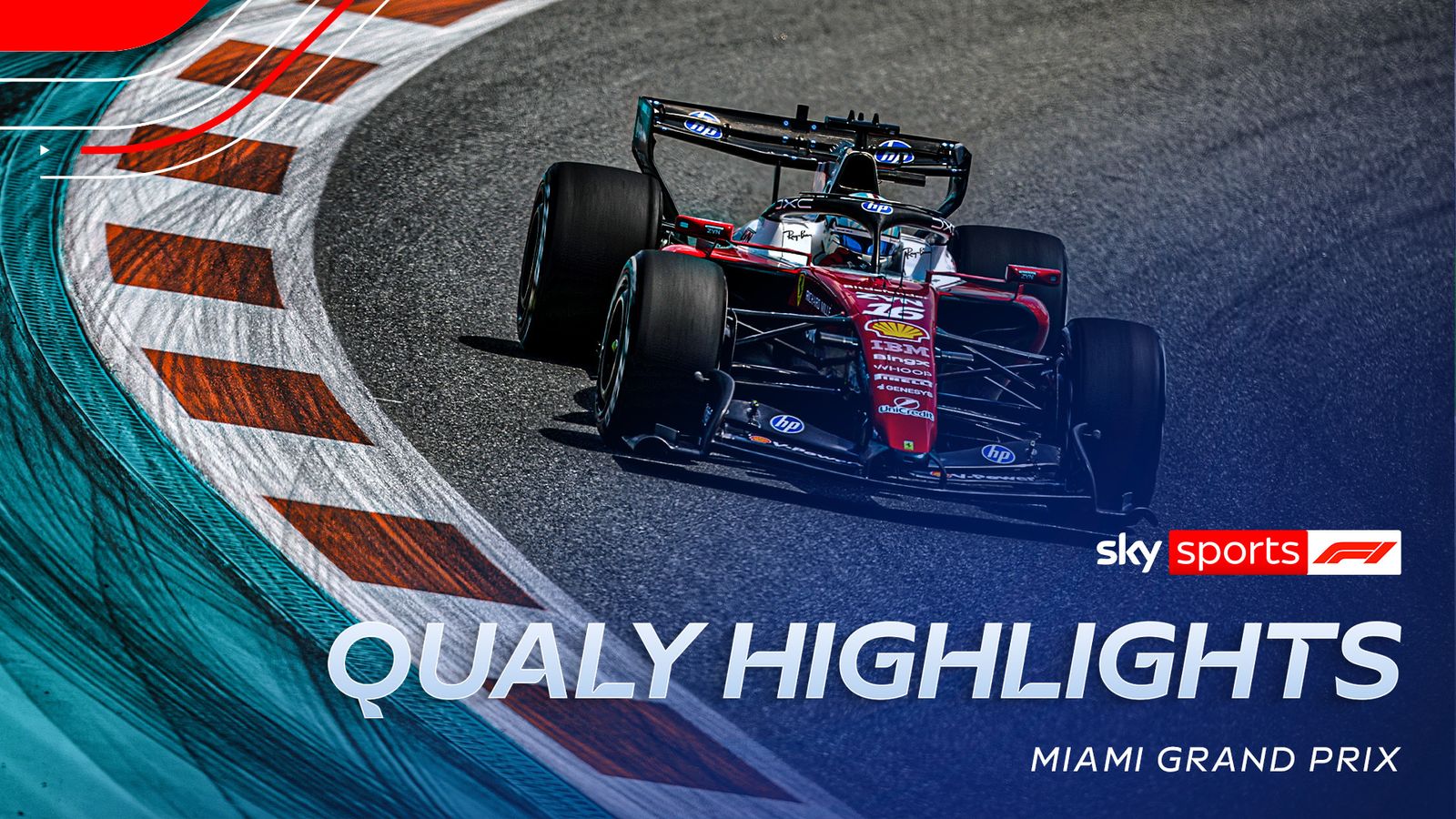
Fernando Alonso and Sergio Perez will start the Miami Grand Prix from well outside the top ten after both drivers failed to escape Q1 at the Miami International Autodrome on 2 May 2026.
The qualifying session produced a string of unexpected results that reshuffled the grid order in ways that will challenge several teams' race strategies heading into Sunday's main event. Joining Alonso and Perez in early elimination were Lance Stroll, Franco Colapinto, Gabriel Bortoleto, and Gabriel Martinelli, with the Williams driver notably failing to advance in his first qualifying appearance at the facility since joining the team.
The opening segment of qualifying had appeared routine on paper, yet the timesheets told a different story. Alonso, a two-time world champion with a record spanning more than two decades, found himself unable to extract the necessary pace from his Aston Martin machinery across multiple run attempts. Perez, meanwhile, struggled throughout the session as the RB chassis failed to deliver the rear-end confidence the Mexican has cited as essential to his driving style.
The eliminations in Q1 set the stage for a similarly surprising Q2 outcome. Nico Hulkenberg, Liam Lawson, Oliver Bearman, Carlos Sainz, Esteban Ocon, and Alex Albon all failed to advance to the final qualifying segment. Sainz's exit was particularly notable given his recent run of strong performances and the momentum he carried into the weekend following his podium finish at the previous round.
Bearman's elimination adds to a pattern that has seen the young British driver struggle to match the performance ceiling he demonstrated in earlier appearances. The Haas seat he occupies has been the subject of ongoing speculation, with the American team weighing whether continuity or change better serves its development trajectory through the remainder of the season.
For the teams represented in the eliminated group, the race now becomes an exercise in damage limitation. Starting positions outside the top ten reduce overtaking probability at a circuit where plain air management and thermal degradation have historically rewarded those who begin higher on the grid. Strategy calls around tyre choice and the timing of pit stops will carry heightened significance for the drivers forced to fight through traffic from the opening lap.
Alonso's situation is particularly complex. The 43-year-old has built the latter stage of his career around extracting maximum performance from machinery that others have found difficult to read. The Aston Martin AMR26 has shown flashes of potential across various weekend phases this season, yet qualifying performance has remained inconsistent. Starting Sunday's race from outside the top fifteen means the Spaniard faces a stint in traffic that will test both his machinery and his celebrated ability to manage tyre degradation over long runs.
Perez's elimination compounds what has been a difficult opening phase of the season for the Mexican. His Red Bull seat has been a persistent talking point in the paddock, with team principal Christian Horner repeatedly stating that the seat remains under evaluation through the course of the campaign. Starting from deep in the field only amplifies the scrutiny, as the pressure to recover ground from a compromised position typically amplifies the very errors that contribute to underperformance.
The Q3 lineup, while not confirmed in the available reporting, would appear to include several drivers who will start as favourites given their qualifying positions. How those runners manage their opening stints and whether early safety car periods rearrange the order will determine whether the unexpected qualifying result translates into an equally surprising race outcome.
Several teams will conduct overnight analysis of their performance gaps, particularly Williams, which has placed both its drivers outside the top ten at a circuit where the American outfit has historically shown promise. The Miami layout rewards a particular set of aerodynamic characteristics, and if the current deficit persists across race distance, it will intensify internal conversations about the development direction of the FW48 chassis.
What remains clear from the qualifying outcome is that the 2026 Formula 1 season continues to resist easy prediction. The convergence of competitive machinery, the demands of the new aerodynamic regulations, and the pressure of a compressed calendar have produced a landscape where established hierarchies can be disrupted in a single session. Whether Sunday's race follows the qualifying script or delivers its own surprises will be answered in under forty-eight hours.
This desk noted that wire services led with the pole-sitter confirmation while Monexus prioritised the unexpected eliminations and their implications for race-day strategy.
Wire provenance
This editorial synthesis draws on the following public wire/social posts:
- https://t.me/formula1/14956
- https://t.me/formula1/14960