NATO's Hollywood Sessions: Outreach or Narrative Management?
A pattern of closed-door sessions between NATO officials and film-industry professionals has sparked debate about the alliance's engagement with creative industries — and what that signals about modern information strategy.
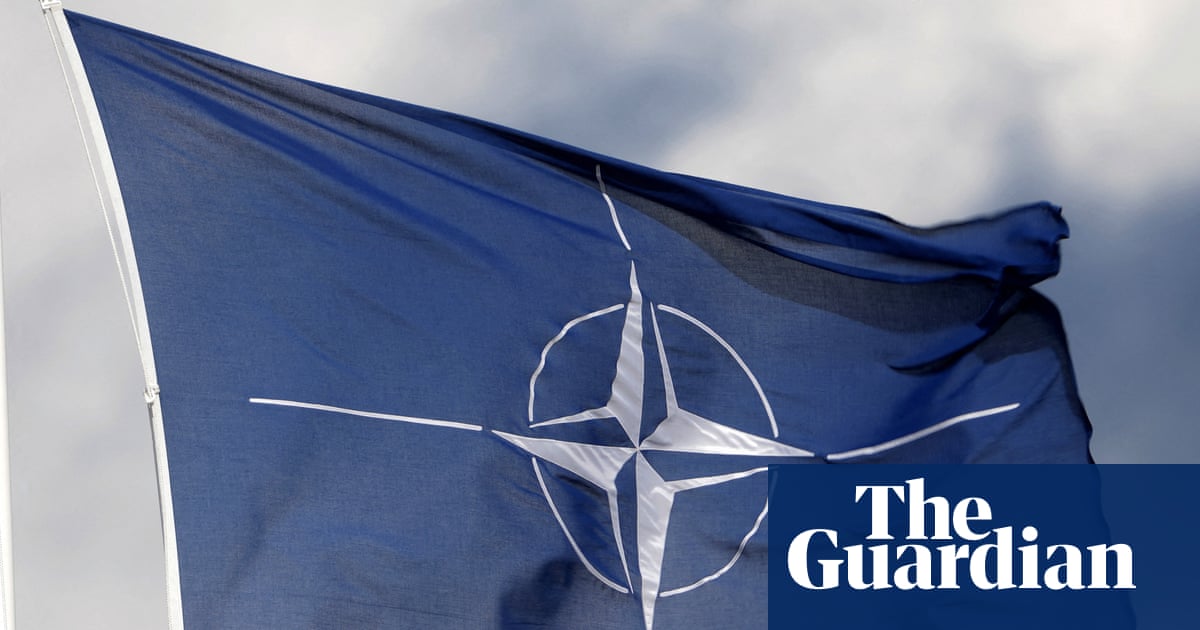
NATO convened at least two closed-door sessions with film and television screenwriters, directors, and producers — with a third meeting scheduled for June 2026 — according to reporting published by The Guardian on 3 May 2026. The meetings, described by participants as "intimate conversations," have prompted allegations that the alliance is seeking to cultivate sympathetic storytelling within the entertainment industry. NATO has declined to comment on the specifics of its engagements.
The disclosure arrives at a moment when Western governments are increasingly explicit about the strategic value of narrative control. The Department of Defense in the United States has long maintained entertainment-industry liaison offices; similar arrangements exist in the United Kingdom and across NATO member states. What is new — or at least newly visible — is the framing: these most recent sessions appear to have been structured less around logistics and more around worldview.
The Substance of the Sessions
Details about what NATO officials actually discussed during the sessions remain limited. Participants have not been named, and no transcripts have been released. What is clear from the reporting is that the meetings were not incidental. They were arranged, targeted, and described in language that suggests intent beyond mere public relations.
The term "propaganda" has been applied by critics who argue that any formal engagement between a military alliance and creative professionals amounts to an attempt to shape how stories get told — and by extension, how audiences around the world understand conflict, sovereignty, and alliance politics. Supporters of such engagement argue that it is no different from any government or institution communicating its perspective to the media that shapes public understanding.
The distinction, critics contend, lies in transparency. A press briefing is a known quantity. A closed-door conversation in which NATO officials introduce their framing to writers working on future projects operates in a different register — one that audiences are unlikely to recognise when they eventually encounter the finished product.
The Historical Precedent
Military and intelligence services have engaged with the entertainment industry for decades. The US military's entertainment liaison office, based at the Pentagon, has provided equipment, access, and technical consultation to productions ranging from top-grossing blockbusters to network television series. The UK Ministry of Defence operates similar arrangements, subject to formal protocols governing what access is granted and under what conditions.
What distinguishes the NATO sessions as described is less their existence than their apparent scope. Previous arrangements have typically involved logistical cooperation — providing locations, hardware, or technical advice on military procedure. The Guardian's reporting suggests the recent sessions were oriented more toward ideology: how NATO sees the world, what it considers the defining conflicts of the era, and how those conflicts are best framed in narrative terms.
This is not the same as producing a recruitment video. It is closer to what might be called narrative architecture — shaping the conceptual scaffolding on which individual stories are built.
The Counterargument
Defenders of such engagement argue that the alternative is silence — and that silence is not neutral. When an institution like NATO declines to communicate its perspective to the people who shape public narrative, it cedes that terrain to other actors. In an information environment where Russian, Chinese, and other state-linked media invest heavily in narrative framing, the argument goes, Western institutions that remain passive are not maintaining neutrality but surrendering influence.
There is also the question of what "propaganda" means in a contemporary context. Governments communicate through press releases, social media, and documentary filmmaking. Is a structured conversation with screenwriters meaningfully different from a documentary, an op-ed, or a branded media partnership? The line, defenders of NATO's approach might argue, is not as sharp as critics suggest.
What Remains Unclear
The sources reviewed for this article do not establish what, precisely, NATO officials said during the sessions, what commitments — if any — were made by either side, or whether any participants have since incorporated NATO's framing into projects in active development. The alliance's refusal to comment means the public record consists largely of second-hand accounts from participants who spoke to The Guardian on condition of anonymity.
This matters. The difference between an information-exchange session and a coordinated influence operation turns on questions of intent and coordination that the available reporting does not resolve. It is possible that these were genuinely open conversations in which NATO presented its perspective and participants absorbed it — the same way any journalist, academic, or diplomat might absorb information from a briefing. It is also possible that the sessions were part of a more structured effort to insert specific narrative framings into productions in development.
Neither possibility can be confirmed from the current evidence. What can be said is that the meetings occurred, that they were described in language that suggests purposeful engagement, and that they have prompted a response that reflects genuine unease about the boundaries between public diplomacy and narrative management.
The June session, if it proceeds, may clarify matters. Until then, the question of what NATO is actually building in these rooms — and what it expects to emerge from them — remains more assertion than evidence.
This publication covered NATO's engagement with entertainment-industry professionals in the context of broader Western information strategy, rather than framing it as a discrete propaganda operation. The coverage reflects uncertainty in the available sources about intent and scope.