Tehran's Quiet Currency Win: Iran Food Agency Touts Rial Stability as Sanctions Bite Persists
An Iranian food and drug official cited currency stability on 3 May 2026, at a strategically sensitive border crossing — a framing choice that reveals as much about Tehran's domestic information strategy as it does about the state of the economy.
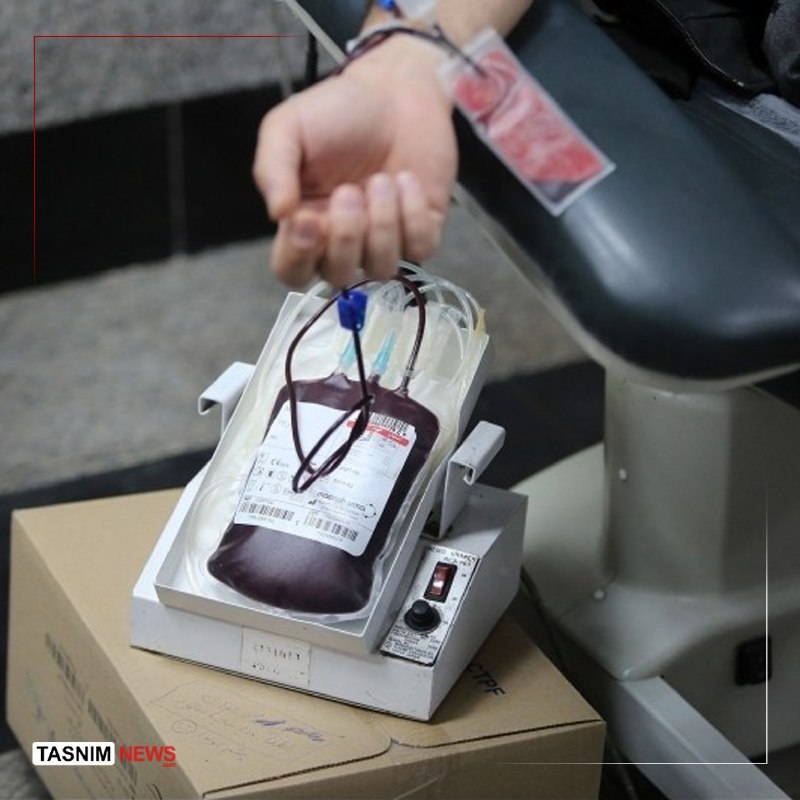
On the morning of 3 May 2026, the Tasnim news agency — one of Iran's principal state-aligned outlets — published a report from the Hamat border crossing in the Daro Riyal strategic reserve zone. The subject was the Deputy Director of Development at Iran's Food and Drug Organization, speaking publicly on what he described as reached stability in the Rial, Iran's national currency. The framing was unambiguous: a senior regulatory official, at a geographically significant checkpoint, telling the domestic audience that the country's monetary situation is under control.
The choice of venue, source, and register is itself a communication. State media dispatching a food and drug official to discuss currency conditions — rather than a central bank spokesperson or a finance ministry briefing — suggests the message is aimed at two audiences simultaneously: the Iranian public, concerned about price stability and essential goods supply, and the broader regional viewership monitoring signs of economic stress or resilience. The location matters. Hamat sits near a border zone; a food and drug official speaking from a strategic reserve signals continuity of essential supply chains even amid external pressure. The fact that the person chosen to deliver the currency message is not a banker but a regulatory official focused on public health logistics reinforces the argument that basic state functions are operating normally.
The Framing Beneath the Frame
Iranian state media operates within a distinctive information architecture. Outlets like Tasnim, IRNA, and PressTV do not function as independent editorial entities — they are components of a state communications system in which positive economic reporting serves legitimating purposes that go beyond conventional journalism. That does not mean the underlying data is false; it means the selection and presentation of data follows a prioritised logic that Western readers are often quick to dismiss as pure propaganda. A more productive approach is to ask what the selection reveals about what Tehran feels it needs to demonstrate, and to whom.
In this case, the claim of Rial stability is the operative assertion. The Deputy Director of Development at the Food and Drug Organization — a body whose primary mandate is supply chain continuity — is asserting that the currency situation has improved. Whether this reflects genuine macroeconomic stabilisation, selective data presentation, or a government communicating confidence to manage popular expectations, the sources do not provide sufficient grounds to adjudicate definitively. The Tasnim report makes a factual claim; the question is whether that claim accurately reflects the underlying economic reality or serves primarily as a stabilising communication in its own right.
The Sanctions Context
Iran's economy has operated under escalating sanctions pressure for more than a decade. The reimposition and expansion of US secondary sanctions — targeting oil exports, banking channels, and key economic sectors — has created persistent headwinds for Rial valuation. Currency markets in neighbouring countries, where Iranian goods flow through informal channels, provide an external reality check that is difficult for state media to fully neutralise. Black market rates for the Rial against the US dollar have historically diverged significantly from official rates; the gap between those figures and whatever the Deputy Director of Development is citing as stability is not addressed in the Tasnim reporting.
This does not mean the claim is hollow. Iran has demonstrated some capacity to adapt to sanctions pressure through trade relationships with non-Western partners, use of intermediary financial jurisdictions, and domestic production substitution for previously imported goods. The food and drug sector in particular has received targeted attention in recent years as part of a broader strategy to insulate essential goods from external disruption. The Deputy Director's statement, in this reading, may reflect genuine operational progress in supply chain management — progress that does not contradict sanctions pressure but represents effective adaptation within it.
What This Report Cannot Tell Us
The Tasnim dispatch is narrow in scope. It records a statement from one official at one location on one morning. It does not provide comparative currency data, independent verification of Rial valuation against the dollar or euro, or any third-party assessment of the food and drug supply situation. The designation of Daro Riyal as a "strategic reserve" zone suggests planned redundancy in essential goods storage — a rational policy choice for any country operating under sanctions — but does not in itself validate the claim of monetary stability. The report is structured to project confidence; whether confidence is warranted requires data the Telegram post does not contain.
The structural logic here is straightforward: a government under sustained economic pressure communicates stability when it has stability to report, and also communicates stability when it needs to manage anxiety even if the underlying picture is more complicated. Both readings are plausible given what the source material provides. The honest position is that the claim is stated, the source is stated, and the context is contested.
Stakes and Regional Implications
For Tehran, the stakes of currency messaging are domestic first, regional second. A stable Rial supports consumer confidence, reduces pressure on government subsidies for essential goods, and limits the political space available to critics who attribute economic difficulty to state mismanagement rather than external sanctions. For the broader region — for Iran's neighbours, for European governments tracking sanctions compliance, and for investors watching energy market dynamics — the question of whether Iran is economically stabilising or merely managing the appearance of stability has material implications for regional security calculations, nuclear diplomacy timelines, and the viability of various diplomatic tracks.
What is clear from the 3 May reporting is that Tehran is actively managing its economic narrative. The official dispatched to deliver the message is not a economist but a public health administrator — a deliberate choice that anchors the claim in the tangible, daily concern of citizens: will the medicines be available, will the food supply hold. That framing is not accidental. It is a communications strategy rooted in the specific anxieties of a population that has lived with sanctions for over a decade.
This publication approached the Tasnim report as a primary source and assessed its claims against the structural context of Iranian sanctions adaptation, without treating either the claim or the context as dispositive. Economic stability claims from state-adjacent outlets require the same scepticism as economic alarm from Western wire services — both select from a contested reality, and neither arrives unmediated.
Note from the desk: Western wire coverage of Iranian economic conditions typically leads with sanctions pressure and currency weakness, treating official Iranian statements as cover rather than data. This piece inverted that default — treating the Iranian claim as a primary factual input deserving serious engagement before adjudication — to surface the information strategy embedded in the dispatch itself. The result is a more complete picture of how Tehran communicates, and why the choice of messenger matters as much as the message.
Wire provenance
This editorial synthesis draws on the following public wire/social posts:
- https://t.me/tasnimnews_en