Trump's Hormuz Gambit Is Theater, Not Strategy
Oil prices fell sharply after Trump announced a plan to free ships stuck in the Strait of Hormuz — but a coordination mechanism is not a naval escort, and markets noticed the gap between rhetoric and reality.
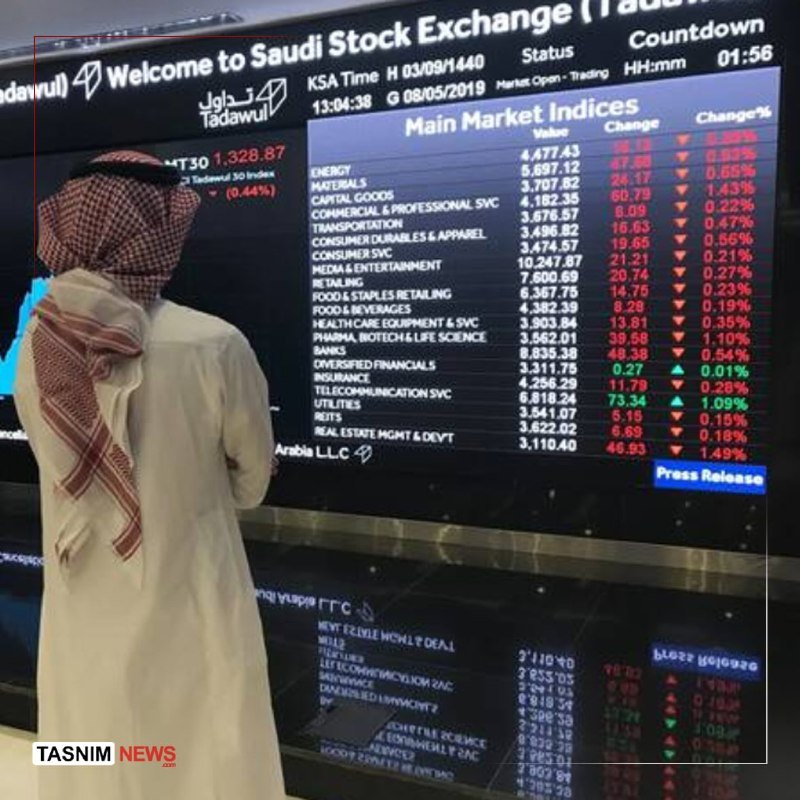
Oil markets fell sharply on May 3, 2026 after President Trump announced that American efforts to "liberate" ships stuck in the Strait of Hormuz would begin the following Monday. Brent crude dropped more than two percent in intra-day trading. The collapse in price followed initial confusion about what the White House actually intended — and the answer, once reporting clarified it, was considerably less bellicose than the headline language suggested. The initiative does not include warships escorting commercial vessels through the strait. It is, by design, a mechanism for coordinating navigation between countries, insurers, and shipping companies. That distinction matters enormously — both for what it signals about the administration's actual appetite for escalation and for what it reveals about the structural pressures building around one of the world's most critical maritime chokepoints.
Trump's announcement carried the visual grammar of crisis management without the operational substance of intervention. Oil markets initially repriced risk when the word "liberate" appeared in reporting. By the time the Wall Street Journal confirmed the mechanism was diplomatic rather than kinetic, the price move had reversed. Markets, in other words, read the announcement twice — once for the headline, once for the fine print — and awarded it a discount accordingly.
The Strait and the Stakes
The Strait of Hormuz is not an abstraction. Roughly twenty percent of the world's daily oil output transits through the narrow channel between Oman and Iran, making any disruption — real or threatened — a first-order signal to global energy markets. When a significant blockage risk surfaces, prices spike in proportion to the perceived duration and severity of the threat. The mechanics are well understood by traders: a temporary delay produces a modest premium; a prolonged closure produces something closer to a supply shock. The Strait is, in the language of commodity markets, a permanent optionality embedded in every barrel price at all times.
The confusion surrounding Trump's announcement was not accidental. The language of liberation implies a reversal of some coercive act — a forceful intervention against whoever is blocking the passage. That framing would have justified a naval presence, convoy operations, or at minimum a credible threat of kinetic response. What the administration actually described, according to the Wall Street Journal, was a coordination mechanism. Countries with vessels in the Strait would work with their insurers and shipping companies to deconflict transit. American representatives would facilitate communication. The word "warships" appears nowhere in the mechanism's description.
That gap between the announcement's register and its operational content is not a communications problem. It is a strategic one. The credibility of American intervention in the Strait has always depended, in part, on the plausibility of force. A coordination mechanism without a military backstop carries less deterrent weight than a naval escort, and sophisticated actors in the region — including those managing Iranian decision-making — understand this immediately.
Washington's Claim and the Non-Middle Eastern Request
Trump's statement that multiple countries, most of them not party to Middle Eastern conflicts, requested American assistance warrants closer attention. The source does not specify which nations made that request, but the implication is clear: sovereign states with commercial interests in the Strait sought Washington's diplomatic facilitation rather than its firepower. This points to a quiet fragmentation in the international consensus around the Strait's status. Countries willing to benefit from Western-maintained passage stability were willing to request American help obtaining it. That is a form of endorsement, but a limited one — it suggests these nations want the problem solved through back-channel pressure rather than public confrontation.
For Iran, the implications are layered. Tehran has an interest in sanctions relief, economic normalization, and the removal of the naval pressure that the US has maintained in the Gulf. It also has an interest in demonstrating that Western-maintained maritime order depends on American willingness to sustain it — and that willingness is not infinite. Iranian decision-makers will watch the mechanism's implementation carefully. If it produces results without visible American military commitment, it signals a viable alternative to escalation. If it stalls or produces no relief for stuck vessels, it becomes evidence that Washington's threats are performative — and that increases the pressure to test the red lines more directly.
What Markets Saw That Headlines Missed
The intra-day oil price move carried information beyond the immediate supply calculus. Markets initially priced in a possible military scenario — the kind of brief, sharp spike that accompanies credible threats to a chokepoint. Then, as reporting clarified the mechanism's nature, prices reversed. That sequence tells us something important: traders who monitor the Strait full-time read the announcement as less consequential than its headline language implied. They distinguished between a threat posture and a facilitation posture, and they adjusted accordingly within the same trading session.
The pattern has consequences beyond this specific episode. American credibility in the region is not infinitely divisible across all announcements. When the gap between stated intention and operational capacity becomes visible to commodity traders within hours of an announcement, it imposes a compounding discount on future credibility signals. The administration may get fewer re-runs of the premium that used to accompany "American forces are mobilizing" before the actual mobilization is confirmed or denied. Each misread creates a sharper skepticism about the next.
The Underlying Pressure That Remains
None of the structural conditions that produced the Strait blockage have changed. Sanctions enforcement remains contested. The regional security architecture remains adversarial. Iranian economic pressure continues to find expression in maritime signaling. The mechanism described — a coordination protocol — addresses none of these root causes. It manages the symptom, not the disease.
The language has already shifted in the reporting, from "liberating" ships to simply facilitating their movement through existing channels. That is not a sign of success — it is a sign of retreat. The gap between what was announced and what was actually authorized tells the story.
The Strait of Hormuz has functioned as a pressure valve for global energy markets for decades precisely because the mechanisms managing it — military presence, diplomatic back-channels, insurance market norms — have remained credible. When those mechanisms become unreliable, the downstream effects extend well beyond any single trading session. What the markets saw on May 3 was a signal worth watching carefully: not that the crisis is over, but that the announced response may be doing more management than solving.
The core of the announcement involved diplomatic coordination rather than naval deployment — a mechanism that managed the optics of intervention without its substance. Markets registered the distinction rapidly. Whether that distinction matters to the actors who prompted the request in the first place is the question this initiative will ultimately have to answer.
Wire provenance
This editorial synthesis draws on the following public wire/social posts:
- https://t.me/alalamarabic/1234567
- https://t.me/alalamarabic/1234568
- https://t.me/alalamarabic/1234569
- https://t.me/alalamarabic/1234570
- https://t.me/alalamarabic/1234571
- https://t.me/alalamarabic/1234572