Trump administration links Iran ultimatum to Beijing visit as energy and sanctions pressure build on two fronts
As the White House freezes wind energy projects and hardens its Iran posture, Beijing's blocking of refinery sanctions ahead of a planned presidential visit adds a third pressure point to an already overloaded US diplomatic calendar.
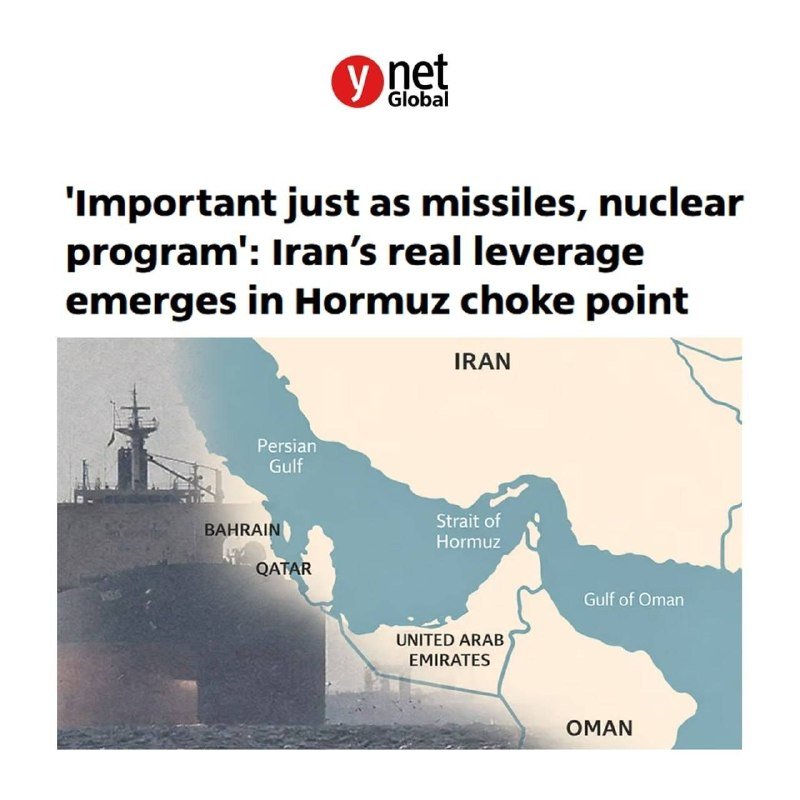
The Trump administration halted roughly 165 onshore wind projects on 3 May 2026, citing national security concerns — the same day it signalled that any Iranian peace proposal would need to satisfy a White House that believes Tehran has not yet "paid a big enough price." Hours later, Beijing blocked US Treasury sanctions on five Chinese "teapot" refineries processing Iranian crude, an intervention that underscored how the White House's confrontational posture is generating parallel crises across three distinct fronts ahead of a planned presidential visit to China.
The wind-project decision, reported by the Financial Times, marked the most sweeping regulatory action against the domestic renewable sector since the administration began using security-based justifications to slow clean-energy development. The move affects projects already in advanced stages of permitting and, according to the reporting, has drawn sharp pushback from industry groups who argue the national security label is being applied indiscriminately to avoid environmental review. The administration has not publicly disclosed the specific intelligence or legal basis for the halt.
China blocks refinery sanctions
China's intervention against the refinery sanctions came as senior US officials prepared the diplomatic groundwork for a presidential visit to Beijing. Beijing instructed its state oil companies to halt purchases of Iranian crude in December — a concession that bought goodwill with Washington but also removed the diplomatic cover Beijing had previously used to shield smaller independent refiners from secondary sanctions pressure. The blocking of the Treasury's designations, confirmed by Reuters reporting cited in the Indian Express Telegram wire on 3 May, represents a more direct rebuff: the administration wanted to penalise five teapot refineries for handling Iranian condensate despite the December purchase halt, and Chinese officials declined to cooperate.
The teapot refineries occupy a specific niche in China's downstream energy sector. Smaller and less capital-intensive than the state majors, they have historically served as a conduit for crude that sits in sanctioned or semi-sanctioned supply chains. For Beijing, maintaining their operational space serves an economic purpose — they employ thousands of workers in coastal provinces and supply fuel to agricultural and transport sectors that the major state companies cannot profitably serve. Chinese officials framed the move, per the Indian Express reporting, as consistent with Beijing's position that unilateral US sanctions lack legal legitimacy outside their own jurisdiction and that secondary-pressure campaigns against Chinese entities represent a form of overreach.
Beijing's own position on the upcoming presidential visit has been calibrated to extract concessions while appearing immovable. Senior Chinese officials have indicated, according to regional reporting, that they expect the visit to produce concrete trade-deal commitments and a rollback of the most recent tariff escalation — not merely a ceasefire in the ongoing tariff war. The blocking of the refinery sanctions is, by that reading, a pre-negotiation signal: Chinese leverage is not exhausted, and Washington will need to offer something tangible if it wants Beijing's cooperation on Iran, North Korea, or the broader strategic competition in the Indo-Pacific.
Iran: the price hasn't been paid
The Iran dimension of the week's diplomacy requires careful reading of what the administration is actually demanding. Trump told reporters on 3 May that he would consider a new peace proposal from Tehran but that he could not currently imagine finding it acceptable, because "Iran has not yet paid a high enough price for what it has done to humanity." The phrasing — "paid a high enough price" — is structurally vague in a way that serves the administration strategically. It creates a moving threshold: whatever Iran offers, the administration can characterise it as insufficient until a deal is signed, at which point the narrative flips to "we achieved a historic deal." That ambiguity has worked for previous administrations negotiating under sanctions pressure. Whether it works when the primary tool — maximum pressure — has already been deployed and Iran has survived it once before remains an open question.
Iranian officials have indicated through regional channels that the proposal currently under review in Washington involves a combination of uranium-enrichment limitations,IAEA snap-inspection provisions, and a partial sanctions relief package — structured to resemble the JCPOA architecture without replicating its political vulnerabilities. The White House has not formally responded. Senior officials told Axios that no proposal would be accepted without a complete halt to enrichment above five percent, a condition Iranian officials have publicly rejected as incompatible with a civilian programme.
The energy-security tangle
What connects the wind-halt, the refinery sanctions block, and the Iran ultimatum is not merely coincidence — it is the instrumental use of regulatory and economic power as a substitute for the diplomatic infrastructure that conventional statecraft requires. Halting wind projects domesticates a foreign-policy posture: energy independence framed as strength, even when the projects in question are producing electricity, not fissile material. Blocking Chinese refinery sanctions domesticates the Iran problem: Washington wants China to help isolate Tehran, but Beijing is unwilling to sacrifice economic actors to do so without a clearer reciprocal benefit. And the Iran ultimatum domesticates both, casting the administration as simultaneously the defender of American energy sovereignty and the enforcer of a global sanctions architecture that other major powers increasingly regard as a tool of competitive pressure rather than genuine non-proliferation.
For Beijing, the calculus is simpler than it appears. China has already cut Iranian crude purchases in visible compliance with US requests. Asking it to now sanction its own downstream operators for conduct that Washington has already received diplomatic credit for ending — and doing so as the price of a successful presidential visit — is a negotiating posture that most Beijing-watchers would expect to fail. Chinese officials have been consistent: cooperation on Iran comes at the cost of strategic goodwill on trade, not as a precondition for it.
The stakes are concrete. If the Beijing visit produces no substantive deal, the administration enters the second half of the year with unresolved tariff exposure, an Iran negotiation structurally stalled, and a domestic energy permitting system in legal limbo. The wind-halt decision, meanwhile, is already being challenged in federal court by the American Clean Power Association, whose members argue the national security exemption has no statutory basis. The administration may win that case or lose it; either outcome delays projects that are already months behind schedule. In the meantime, the Iranians will continue enriching, the Chinese will continue refining, and the administration will continue describing its situation as a series of negotiations it is winning.
Whether that description survives contact with the actual schedule — a Beijing visit, an Iran proposal deadline, and a domestic energy sector in litigation — is the question the next several weeks will answer.
This publication framed the wind-halt decision as part of a broader pattern of economic statecraft rather than a discrete energy story; wire coverage from Reuters and the Financial Times focused primarily on the domestic regulatory dimension.
Wire provenance
This editorial synthesis draws on the following public wire/social posts:
- https://t.me/Disclosetv/134856