Trump Rejects Iran's Peace Proposal, Warns Military Strikes Remain on the Table
President Trump dismissed Iran's newly submitted peace proposal on May 2, saying Tehran had not paid a sufficient price for its conduct and that he could not imagine accepting the terms. The rejection came despite an earlier letter to Congress declaring hostilities terminated, leaving the legal and military status of the relationship in apparent contradiction.
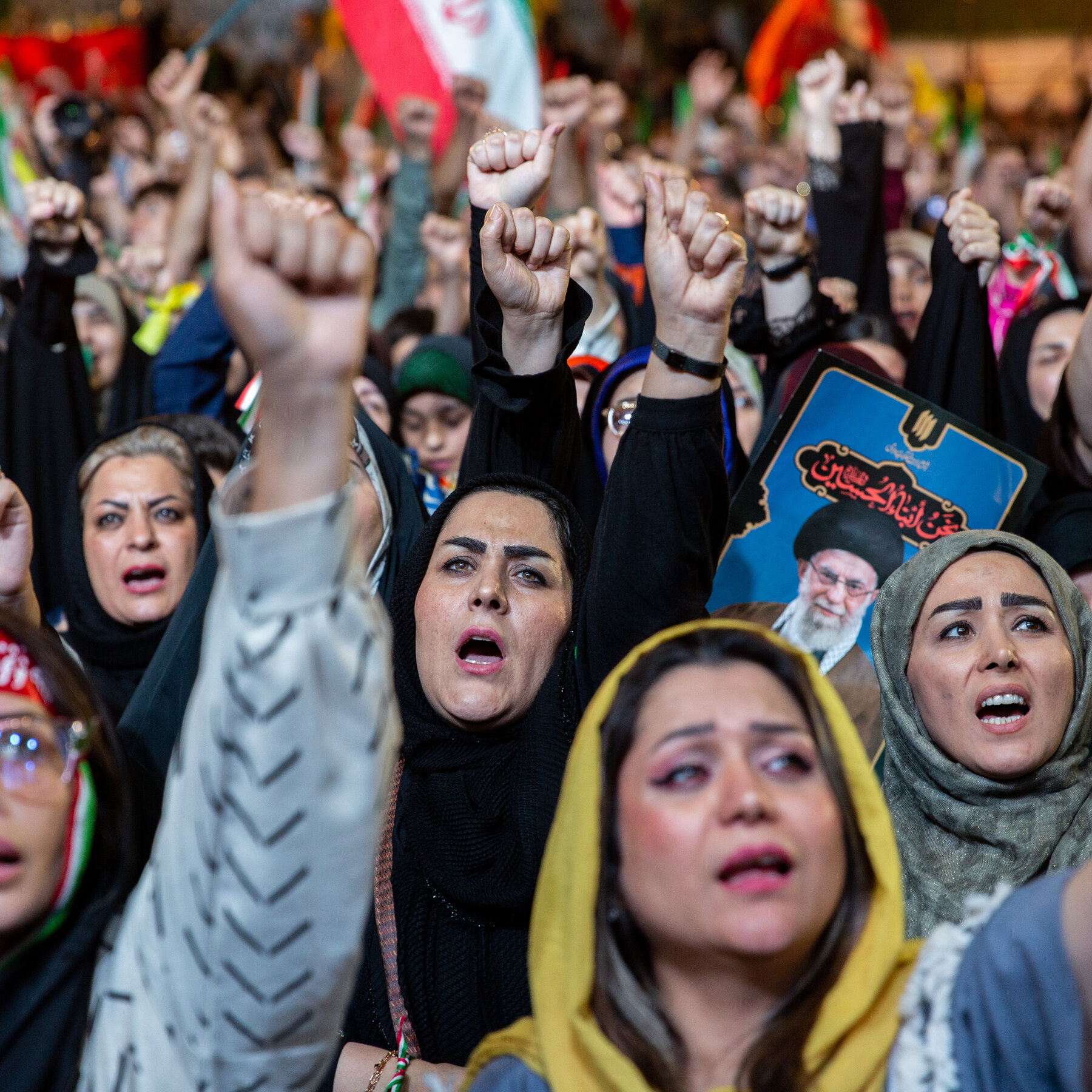
President Donald Trump dismissed Iran's newly submitted peace proposal on May 2, 2026, telling reporters outside the White House that he could not imagine accepting terms he described as inadequate. "They have not yet paid a big enough price for what they have done to Humanity, and the World, over the last 47 years," Trump said, referencing nearly five decades of tensions between Washington and Tehran.
The rejection arrived hours after Iran transmitted what the administration described as a new peace plan — an overture that Western analysts had tentatively read as a potential opening for de-escalation. Trump's flat dismissal forecloses that reading, at least for now, and raises pointed questions about the administration's own stated position that hostilities with Iran have ended.
In a letter to Congress dated earlier in the week, Trump declared the military campaign against Iran terminated. When a reporter pressed him on the apparent contradiction — citing his own letter while the naval blockade remains in force — Trump did not disavow the blockade. He instead reframed the distinction, declining to elaborate on what legal or diplomatic framework governs the ongoing restrictions on Iranian oil exports and maritime traffic.
The Sources Do Not Agree on What the Proposal Contained
The thread context offers no official account of the proposal's specific terms. Iranian state-linked outlets have not published the text; the administration has not released it. What is known is that Iran sent the proposal to the United States, and that Trump described reviewing it briefly before concluding it would not be acceptable.
The gap between what Iran offered and what Washington demands is not, on its face, unusual in diplomacy. Early-stage proposals routinely serve as starting positions. What distinguishes this moment is the administration's stated position that the underlying conflict is already over. If hostilities have ended, the logic of continued economic pressure becomes harder to defend under the rubric of wartime sanctions — yet the blockade continues, and Trump did not signal any imminent change to that posture.
The Naval Blockade: A Legal Ambiguity the Administration Has Not Resolved
International legal scholars have noted that the distinction between a terminated military campaign and a continuing economic blockade is not merely semantic. Blockades are acts of war under the 1909 London Declaration Concerning the Laws of Naval Warfare. If the United States is no longer engaged in hostilities with Iran, the legal basis for the blockade — which restricts Iranian crude exports and maritime access — becomes contested.
The administration appears to be operating on the theory that declaring hostilities terminated while maintaining the blockade constitutes a legal gray zone: sanctions remain in place not as an instrument of war but as a separate policy lever. Critics of that reading note that the practical effect — preventing Iranian oil exports — is identical regardless of the legal theory used to justify it. The White House has not issued a formal legal justification for the dual posture.
What Trump Left Open on Military Strikes
Asked whether the United States might resume military action against Iran, Trump said a resumption of strikes remained a possibility. He declined to specify under what circumstances he would restart the campaign. The sources do not indicate whether senior national security officials have been briefed on revised military options, or whether the comment reflects a genuine contingency plan or a deliberate ambiguity designed to keep Iranian negotiators uncertain.
Administration officials have not clarified whether the Iranian proposal underwent formal interagency review before Trump rejected it publicly. The lack of a structured diplomatic process — formal talks, working groups, technical discussions — raises the question of whether the administration has a defined diplomatic endgame, or whether it is calibrating pressure and negotiating signals on an ad hoc basis.
The Structural Logic of Continued Pressure
The pattern — reject a proposal, decline to end the blockade, leave strikes on the table — fits a coherent strategy even if it lacks diplomatic polish. The administration may be calculating that Iran has more to lose from a prolonged embargo than from accepting Washington's terms, and that a demonstrably reluctant negotiator is preferable to a deal signed under minimal pressure. That calculation has a historical parallel in how the previous maximum-pressure campaign was structured, though it is too early to assess whether the current approach will produce different results.
Iran's clerical leadership faces its own compounding pressures: an economy constrained by export restrictions, a population weary of international isolation, and a regional security environment in which its non-state partners have faced their own setbacks. Whether Tehran's offer represented a genuine opening or a procedural gesture designed to shift diplomatic blame remains an open question — one the administration has not invited the international community to help answer.
What Remains Uncertain
The sources reviewed for this article do not include the text of Iran's proposal, internal administration deliberations, or independent assessments of Iran's negotiating position from allied governments. It is not clear whether European partners, who have maintained their own nuclear-related sanctions, have been briefed on the proposal or consulted on the administration's response. The legal reasoning behind the blockade's continued operation in a context of declared hostilities termination has not been published by the Justice Department or the Office of Legal Counsel. These gaps matter: a durable resolution to the US-Iran confrontation requires clarity on both the terms being discussed and the legal framework governing the measures currently in place.
The administration has, for now, closed the door on a diplomatic shortcut. Whether it possesses a longer route — or simply intends to keep all options open indefinitely — is a question the available record does not resolve.
DESK NOTE: The wire services led with Trump's dismissal of Iran's proposal, with Reuters and the Associated Press emphasising the direct quote about Tehran not having "paid a big enough price." The blockade question received significantly less attention in the initial wire round, despite being the more legally and structurally consequential element of the exchange. Monexus has foregrounded that contradiction — the declared end of hostilities against an active blockade — as the more durable story.