Trump Rejects Iran's 14-Point Proposal as Nuclear Talks Enter Critical Phase
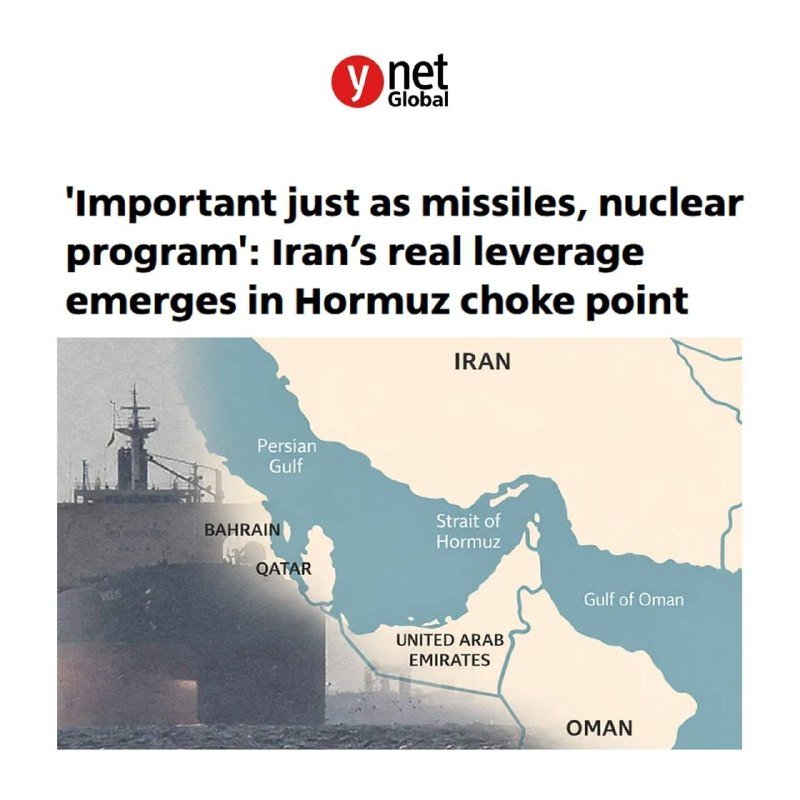
The Trump administration delivered a terse verdict on Iran's latest diplomatic overture on Saturday, 3 May 2026, with the President telling Israeli media that Tehran's 14-point counterproposal was "not good for us" and subsequently declaring via social media that the proposal was "not acceptable." The rejection arrived hours after Iran confirmed the United States had formally responded in writing to its counterproposal — a sequence that left negotiators questioning whether the two sides had genuinely moved closer or were performing the motions of diplomacy while holding fixed positions.
The exchange marks the latest chapter in indirect negotiations that began in earnest earlier this year, with Oman and the United Arab Emirates serving as intermediary channels. The US response, delivered through those back-channels, was described by Iranian officials as received and under review. But the rapidity with which the Trump administration publicly dismissed the proposal suggested either a significant gap in substance between the two positions or a calculated decision to apply pressure before formal talks resume. The timing — delivered to Israeli media before any public statement — reinforced the impression that Tel Aviv's red lines remain central to Washington's negotiating posture, not an afterthought.
Washington's Stated Objections
The administration's objections to the Iranian counterproposal have not been published in full, but senior US officials, speaking on background to wire services, outlined several concerns. The proposal allegedly failed to adequately address Iran's ballistic missile programme, which the US and its regional allies regard as inseparable from any credible nuclear restraint arrangement. Sources familiar with the US negotiating position also cited concerns about the duration of any proposed sanctions relief and the sequencing of compliance verification steps. Put plainly: Washington wants deep, permanent cuts to Iran's uranium enrichment capacity and intrusive international monitoring; Tehran wants immediate sanctions removal and recognition of its right to civilian nuclear technology under the Nuclear Non-Proliferation Treaty.
The US position, as articulated by the President directly, is that the proposal does not meet these minimum thresholds. That is an explicit, on-record rejection — not a negotiating posture designed to extract concessions. Whether it signals a final break or an opening gambit designed to bring Iran back to the table with a revised offer remains to be seen.
Tehran's Counter-Read
Iranian officials, speaking through state media, characterised their proposal as constructive and flexible, offering compromises on enrichment levels and monitoring arrangements in exchange for a phased removal of sanctions. Foreign Minister Abbas Araghchi, who has led Tehran's negotiating team, indicated that Iran had incorporated elements of the US position into its counterproposal and expressed disappointment at the swift public rejection. Iranian state media noted that the US response had been received through diplomatic channels and described it as a basis for further discussion, not a dead end.
The discrepancy in tone between the Iranian and American read of the same exchange is not unusual in high-stakes negotiations. What is less ambiguous is that Tehran appears unwilling to abandon the talks entirely. The question is whether that willingness survives a public dismissal of this severity, and whether hardliners in both capitals will now use the rejection to argue that the other side never intended to reach an agreement.
The Structural Problem Underlying the Talks
The 2015 Joint Comprehensive Plan of Action (JCPOA) collapsed when the Trump administration withdrew in 2018, re-imposing the sweeping sanctions that had been lifted under the agreement. Iran responded by systematically exceeding the JCPOA's enrichment limits, amassing stockpiles of uranium enriched to varying degrees of purity. The current talks aim to reverse that trajectory. But the gap between the two governments is not merely technical. It is rooted in a fundamental disagreement about whether any deal can be verified, whether Iran can be trusted as a partner, and whether the US commitment to any agreement reached would survive a future administration.
That credibility deficit cuts both ways. Iran has noted that the US withdrew from a multilateral agreement endorsed by the United Nations Security Council, and that any new arrangement must include guarantees against a repeat. The US, for its part, has cited Iran's past concealment of nuclear facilities and its stated intention to develop weapons-capable enrichment levels as evidence that maximum pressure produced results and that concessions now would be rewards for bad behaviour. Both framings contain genuine substance; the structural reality is that the two governments have been in a state of adversarial coexistence for seven years, and negotiations of this nature cannot fully substitute for the trust that formal alliance structures ordinarily provide.
Stakes and What Comes Next
The collapse of the nuclear talks would carry consequences well beyond the bilateral relationship. A revived Iranian nuclear programme, unrestricted by enrichment caps or monitoring arrangements, would alter the regional security calculus for Saudi Arabia, Israel, and the Gulf states, each of which has its own strategic interests in preventing Iranian nuclear weapons capability. It would also complicate European efforts to maintain diplomatic engagement with Tehran and expose European companies operating in the region to secondary sanctions risk. Global oil markets, which have been pricing in some probability of a deal normalizing Iranian crude exports, would face a fresh supply shock.
Iranian officials have indicated they will formally respond to the US position through the Omani channel by early next week. What that response contains will determine whether the diplomatic window remains open or whether both governments are left to manage an accelerating crisis with no negotiated off-ramp.
This desk reported the rejection as confirmed US policy, rather than as a negotiating signal, following the President's direct statement to Israeli media. Wire reports framing the exchange as a negotiating step were noted but were not the dominant frame in US-sourced material.
Wire provenance
This editorial synthesis draws on the following public wire/social posts:
- https://t.me/Middle_East_Spectator/2026
- https://t.me/osintlive/2026
- https://t.me/BBCWorldoffl/2026