Satellite Images Show Extensive Damage to Yaroslavl Oil Refinery After April Strike
Satellite imagery released on 3 May 2026 documents significant damage to the Yaroslavl oil refinery in western Russia following a strike on 26 April, with visible disruption to key processing units.
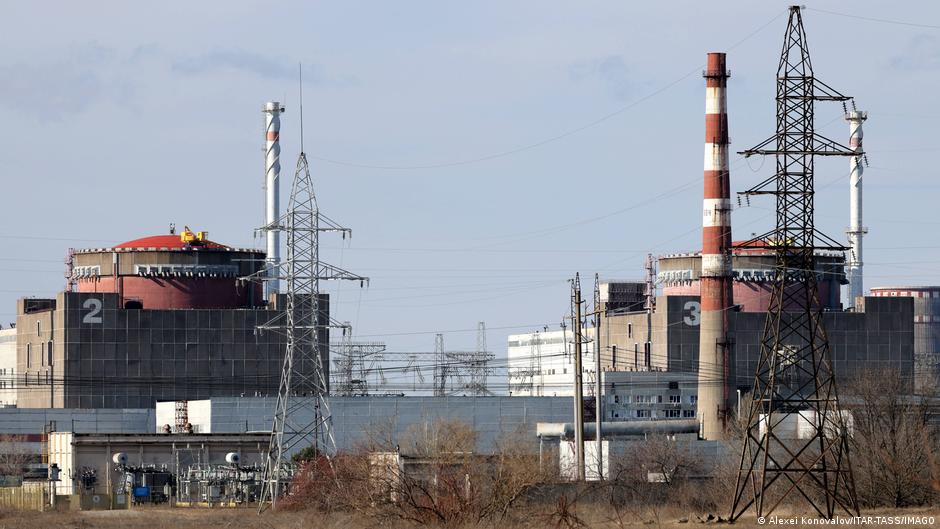
Satellite imagery released on 3 May 2026 by open-source analysts at DniproOsint documents extensive damage to the Yaroslavl oil refinery in western Russia, confirming a strike that occurred seven days earlier on 26 April. The images, shared via the noel_reports channel on Telegram, show heavy damage to technical overpasses serving the ELOU-AVT-4 crude oil atmospheric-vacuum distillation unit, alongside a separate impact near the facility's hydrocracking complex.
The documentation adds to a growing body of visual evidence confirming that Ukrainian forces have sustained a persistent campaign against Russian energy infrastructure since early 2024. Yaroslavl, located roughly 250 kilometres northeast of Moscow, sits well within the operational range of systems Ukraine has employed for deep-strikes into Russian territory.
Documented Damage at the Facility
The imagery analysed by DniproOsint reveals a pattern of precise technical targeting. Damage to the elevated walkways and structural supports of the ELOU-AVT-4 unit would impair the critical process of separating crude oil into usable hydrocarbon fractions. A secondary strike near the hydrocracking unit — which converts heavier oil derivatives into lighter, higher-value products — suggests an attempt to degrade both primary processing and secondary upgrading capacity simultaneously.
Neither Russia's Ministry of Defence nor state energy company Rosneft, which operates the facility through its subsidiary YARKNIPIgazpererabotka, has issued public statements on the extent of damage or refinery output since the strike. Russian state media and military channels have not provided independent confirmation of the imagery's findings. The absence of official acknowledgment from Moscow is consistent with the Kremlin's broader pattern of minimising or declining to comment on the impact of strikes inside Russia.
Ukrainian military sources have not formally attributed the strike, though the General Staff's regular operational briefings have referenced attacks on energy facilities inside Russia as part of ongoing operations to degrade the Russian military-logistical apparatus.
Pattern of Energy Infrastructure Strikes
The Yaroslavl strike fits within a documented series of attacks on Russian refineries, fuel depots, and petrochemical facilities that has accelerated since late 2024. Open-source tracking by independent analysts has documented more than two dozen significant strikes against energy infrastructure inside Russia over the preceding eighteen months. The cumulative effect has been measurable: Russian domestic fuel production has registered declines in certain product categories, and the Kremlin has allocated additional air defence resources to protect facilities that were previously considered outside the operational envelope of Ukrainian systems.
The strategic logic underpinning the campaign is straightforward: every barrel of crude that cannot be refined into aviation fuel, diesel, or gasoline represents a constraint on Russian military logistics and civilian economic activity. Western analysts have noted that Russian forces have increasingly relied on domestically produced fuel for ground operations, making refinery capacity a legitimate military target under the laws of armed conflict.
Ukrainian officials have framed the strikes as asymmetric responses to Russia's sustained targeting of Ukrainian energy infrastructure — including thermal power plants and grid facilities — throughout the conflict.
Operational and Strategic Implications
The sustained ability to strike targets at Yaroslavl's distance from the frontlines carries implications beyond the immediate damage. It demonstrates that Ukrainian forces have maintained and, in some cases, extended the operational reach of their long-range strike systems despite Russian efforts to degrade launch capabilities. The targeting of processing units rather than storage tanks suggests an emphasis on destroying refining capacity rather than creating accessible fuel reserves, a distinction that reflects a longer-term approach to degrading Russia's downstream energy sector.
For Moscow, the challenge is one of resource allocation. Air defence systems protecting refinery complexes represent a trade-off: the same batteries protecting a fuel depot cannot simultaneously cover population centres or forward military positions. As strikes continue to probe for gaps, Russian commanders face a compounding air defence dilemma with no obvious resolution short of a fundamental shift in the conflict's character.
What Remains Unconfirmed
The imagery released on 3 May documents physical damage to specific units at the Yaroslavl facility. The operational status of the refinery — whether it has ceased processing entirely or is operating at reduced capacity — is not confirmed by the available sources. Russian domestic fuel market data for May 2026 has not yet been published in accessible open sources, and independent verification of refinery throughput figures would require access to commercial shipping or logistics data that is not reflected in the current thread.
Ukrainian military spokespeople have not commented publicly on the Yaroslavl strike specifically. The assessment of damage severity presented here rests entirely on the satellite analysis provided by DniproOsint, which this publication has no independent means to verify beyond visual confirmation of the imagery's existence and the channel's documented track record of accurate open-source reporting.
The broader question of how effectively the cumulative refinery strike campaign has constrained Russian military logistics remains contested. Russian state statistics on petroleum product exports and domestic consumption are subject to well-documented reporting limitations, and Western intelligence assessments on this specific question are not publicly available in verifiable form.
This article was published on 3 May 2026 using satellite imagery analysis as its primary source. Wire reporting on the Yaroslavl strike has been limited; this piece supplements available open-source documentation rather than relying on Russian or Ukrainian official statements, which remain unavailable for this specific incident.
Wire provenance
This editorial synthesis draws on the following public wire/social posts:
- https://t.me/noel_reports/1423