Carrick's Champions League clincher forces Manchester United's hand on the managerial question
A 3-2 win over Liverpool has delivered Manchester United the one metric the club valued most this season — and opened a debate United's hierarchy may no longer be able to defer.
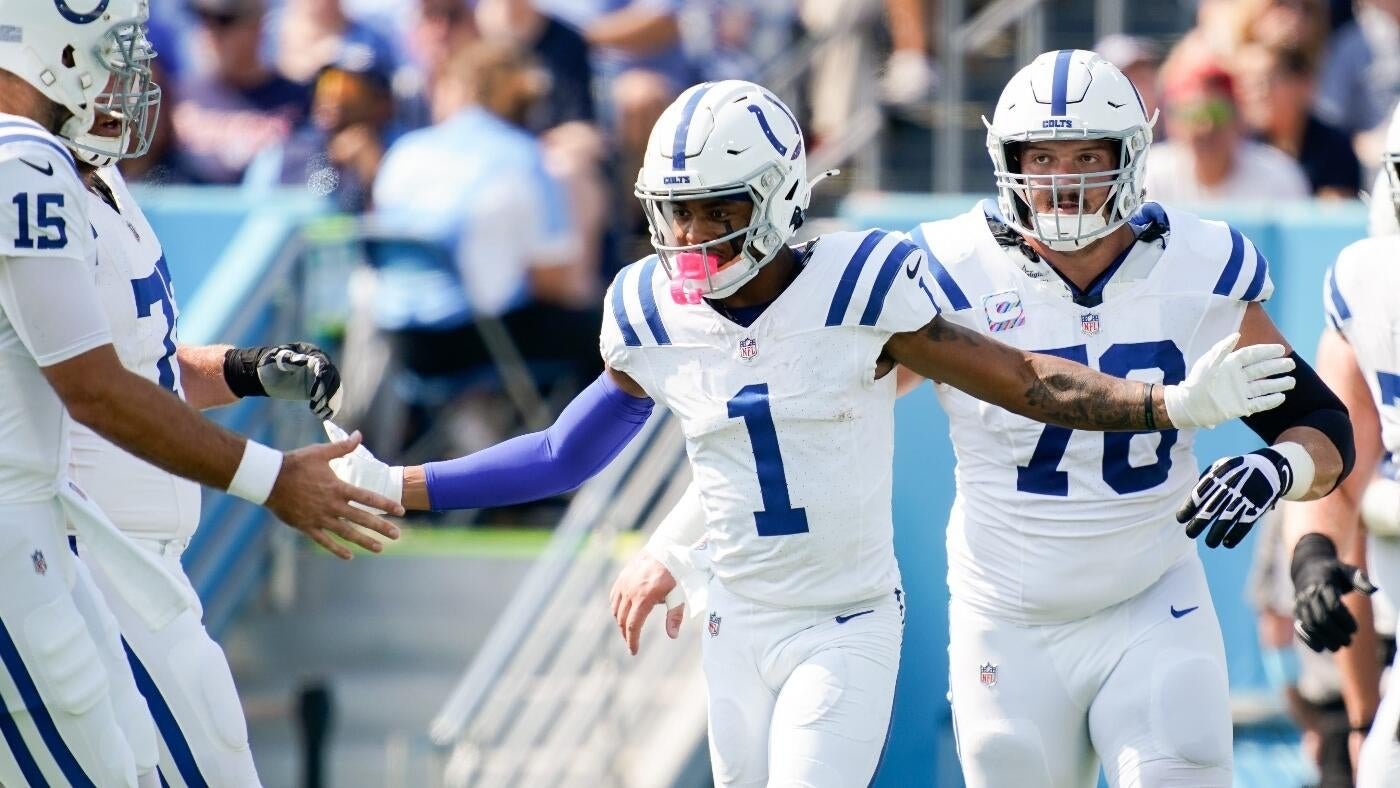
Manchester United sealed a return to Champions League football on 3 May 2026, beating Liverpool 3-2 at Old Trafford. The result, achieved with several games still to play in the Premier League season, was precisely the benchmark the club's interim management setup had been tasked with hitting. Whether it answers the broader managerial question — who leads United into that Champions League campaign — is a different matter entirely.
The win itself was not a close-run thing decided by a single moment of fortune. United scored three, created the clearer chances in the second half, and held firm when Liverpool pressed late. It was, by any reasonable measure, a performance that justified the table it produced. Securing a top-four finish under an interim head coach, with the squad's injury record and the discord that preceded this run, reads as a genuine accomplishment — which is precisely the language Michael Carrick used when asked to characterise it.
The case for moving quickly
Gary Neville, speaking on the Sky Sports coverage immediately after the final whistle, did not hedge. Carrick had put himself in pole position to become the next permanent manager of Manchester United. Neville's argument was structural: the squad responds to Carrick, the results have materialised when they needed to, and the club has avoided the kind of collapse that would have made a clean appointment impossible. In Neville's framing, the audition had reached its natural end point. The candidate had answered the central question.
There is force to that logic. United's season, prior to Carrick's elevation, had been characterised by inconsistency, public disagreements about playing style, and a sense that the previous setup had lost the dressing room. Champions League qualification — the financial and reputational baseline from which any rebuild must start — was not guaranteed when Carrick took over. Delivering it early removes a source of instability that could have compounded everything else. The practical case for making the appointment now, rather than conducting another public process, is不容易 dismissed.
The counter-argument: what qualification does not prove
The difficulty, and sources close to the club's thinking have hinted at this, is that Champions League qualification under Carrick does not resolve the strategic questions United faces heading into next season. A 3-2 win over Liverpool tells us something about the current squad's capacity to respond to an interim coach's methods. It tells us less about whether those methods scale across a full season, across European competition, across a squad that will require new signings in multiple positions.
The managerial market remains active. Several candidates with longer track records and more comprehensive project visions were discussed internally before Carrick's appointment. Whether the board's appetite for those conversations has genuinely been exhausted — or whether qualification has simply shifted the terms of the negotiation — is not yet clear from public statements. United's official communications on the managerial situation have remained deliberately sparse throughout the run-in.
The structural pressure the result creates
What is not in dispute is that the result has changed the optics of the decision. A managerial appointment framed as a holding move — bring in a club legend, steady the ship, buy time for a proper process — becomes harder to sustain once that holding move delivers the primary objective. The board faces a choice that is partly sporting and partly communications: appoint Carrick and accept that the process was foreshortened; or go elsewhere and manage a narrative in which the interim coach delivered but was passed over anyway.
Neither option is without cost. The first risks accusations of a predetermined outcome; the second risks alienating a fanbase that has responded positively to Carrick's low-key, methodical approach. The reality is that United's hierarchy did not expect to be in this position — they expected the race for fourth to go to the wire, not to be settled comfortably. The early clinch has compressed a decision that was supposed to be made with the benefit of more time and more data.
What comes next
Carrick, to his credit, has not publicly lobbied for the position. His post-match remarks credited the players and the staff around him, and described the Champions League achievement as a collective success rather than a personal vindication. That restraint is consistent with how he has conducted himself throughout his time at the club, as player and now as coach.
Whether that restraint is enough to carry the decision — or whether the club's owners will conclude that the permanent job requires a different profile — is the central unresolved question. The result at Old Trafford on 3 May has clarified the table. It has not resolved the most consequential question United faces this summer.
This desk covered the Carrick appointment as an interim solution requiring Champions League qualification as its benchmark. The win over Liverpool has met that benchmark, and the coverage reflects the genuine difficulty of what comes next — a decision that will define the club's next cycle whether it is made in days or deferred until the season's end.