The Ceasefire That Never Was: Lebanon's Quiet Unraveling
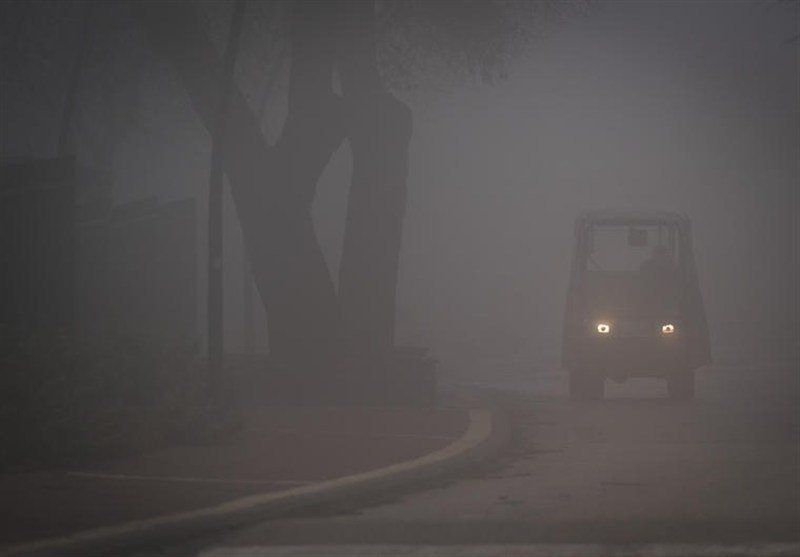
The village of Kafra in southern Lebanon was struck again on 4 May 2026 — the fourth time in recent weeks. Israeli aircraft broke the sound barrier over the region at least twice during the same twenty-four-hour window. Hezbollah, in a statement translated by Al Alam Arabic, said it had targeted what it described as advanced technical equipment in the town of Bayada, achieving a confirmed hit. The Lebanese Shia movement's secretary-general, Naim Qassem, put the matter plainly in remarks carried by the Palestine Chronicle: Lebanon faces continuing Israeli-American aggression despite the ceasefire arrangements that were supposed to have ended large-scale hostilities in November 2024.
What the ceasefire framework promised and what is being delivered on the ground are two very different things. The gap between the diplomatic record and operational reality is not incidental. It is the story.
The Framework That Was Sold
The November 2024 ceasefire was presented as a durable arrangement. It called for an Israeli withdrawal from southern Lebanon, a Lebanese Armed Forces deployment to areas Hezbollah had previously operated in, and a sixty-day implementation timeline with US-mediated enforcement mechanisms. The Trump administration, which invested significant diplomatic capital in brokering the deal, held it up as evidence that kinetic pressure could produce diplomatic outcomes. Hezbollah, weakened by the preceding year's fighting and under intense domestic economic pressure, accepted terms it had previously rejected. The arrangement was imperfect, and critics warned it left enforcement mechanisms ambiguously defined. That criticism, at the time dismissed as pessimistic, has proven prescient.
The Pattern of Violations
Kafra, a small community in Bint Jbeil district, is not a military installation. It is a village with a population of several thousand, many of whom returned to their homes after the ceasefire took effect. The repeated targeting of the same community across separate incidents — four strikes in a matter of weeks — does not correspond to a pattern consistent with incidental engagement. It suggests either a persistent intelligence failure on the Israeli side, an operational assumption that the ceasefire's territorial restrictions no longer apply, or a deliberate signal that the arrangement is being treated as provisional.
Hezbollah's response — targeting what it describes as technical equipment in Bayada — frames its actions as defensive. The framing matters. Hezbollah is not claiming offensive initiative; it is characterising strikes as retaliation for violations that caused civilian casualties in southern Lebanese villages. Whether one accepts the framing or not, the structural dynamic is clear: each Israeli action produces a response, which produces a counter-response, which erodes the temporal separation between incidents that the ceasefire was supposed to create. What was meant to be a cooling-off period has become a rhythm of mutual provocation.
The Question Nobody Wants to Answer
The ceasefire's survival depends on a straightforward but increasingly unanswerable question: who determines what constitutes a violation, and what consequences follow? The original framework assigned a monitoring role to a multinational group with US involvement, but the mechanism had no enforcement authority independent of the parties' willingness to abide by its determinations. When those determinations conflict with operational preferences — as they routinely do — the monitoring body becomes irrelevant in practice.
Qassem's framing of Israeli-American aggression is, in this context, not merely rhetorical. It reflects a strategic calculation that the ceasefire's survival is now contingent on diplomatic cost-benefit assessments made in Washington and Tel Aviv, not on the terms of the agreement itself. That assessment may be correct. If it is, the ceasefire is not being violated incidentally — it is being replaced by a slower, lower-intensity version of the same conflict, one that carries less political cost for the parties involved but produces the same human consequences for the communities caught in the firing line.
What the Unraveling Means
The stakes are not abstract. For the residents of Kafra and dozens of similar communities along the blue line dividing Lebanon from northern Israel, the ceasefire's functional collapse means the return of risk without the return of security. They are living under the protection of a document that has ceased to govern behaviour on the ground. The Lebanese Armed Forces, deployed under the November agreement to enforce state presence in areas previously outside its control, find themselves adjacent to Israeli operations that the state has limited capacity to contest. Hezbollah, whose weapons were supposed to be removed from the area under the agreement's terms, retains the capacity to respond — and the political incentive to do so whenever Israeli actions provide a defensible pretext.
The broader signal is uncomfortable for the diplomatic architecture the ceasefire was meant to anchor. If a US-brokered arrangement, concluded after significant investment and explicit administration endorsement, can be gradually hollowed out without consequence, the cost of negotiating future agreements rises. Adversaries will calculate that terms agreed under pressure are terms that can be adjusted after the pressure subsides. That is not a lesson any ceasefire monitor wants to be teaching in 2026.
The ceasefire, in other words, may technically exist. Whether it has any function beyond that is a separate question — one that the strikes on Kafra, the jets over southern Lebanon, and the strikes in Bayada are answering in the negative with some consistency.
This publication's coverage of the Lebanon ceasefire draws primarily from Arabic-language monitoring accounts active in the region, supplemented by bilingual reporting from the Palestine Chronicle. Western wire services have carried the US State Department's characterisation of the ceasefire as holding — a characterisation that the operational record documented above complicates.
Wire provenance
This editorial synthesis draws on the following public wire/social posts:
- https://t.me/wfwitness/18314
- https://t.me/alalamarabic/89456
- https://t.me/alalamarabic/89452
- https://t.me/wfwitness/18313