The Economics of the Long Ball: How Home Run Props Reshaped Baseball Coverage
Sportsbooks' appetite for home run prop markets has forced a reckoning inside baseball coverage: when does data serve the fan, and when does it serve the wager?
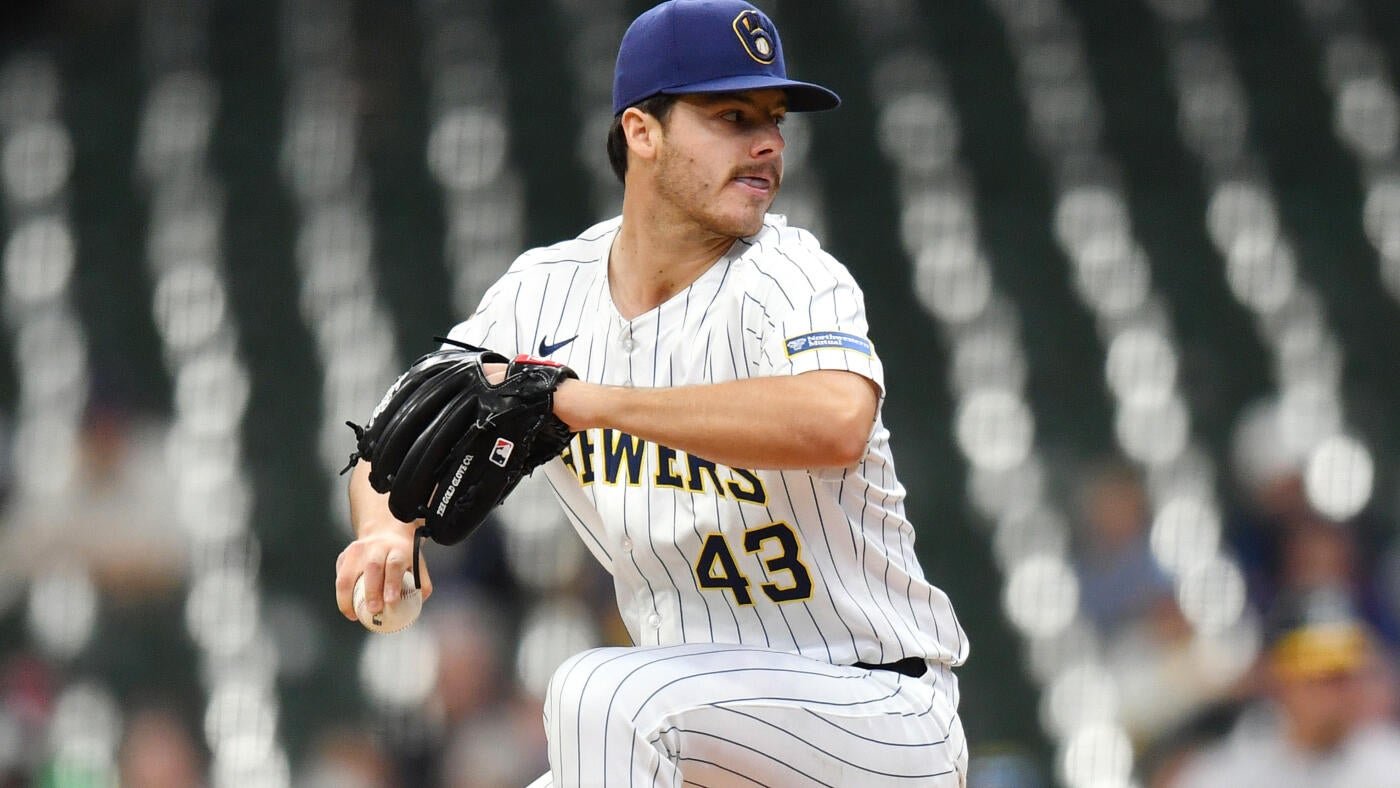
The Kansas City Royals first baseman Vinnie Pasquantino has become a fixture in sportsbook home run probability markets as the 2026 season settles into its second month. On 3 May 2026, CBS Sports featured Pasquantino among its top home run prop picks heading into that day's slate — the latest iteration of a coverage phenomenon that has quietly colonised the space between traditional game recaps and financialised player assessment.
Sports betting's legal expansion across thirty-eight U.S. states has created an insatiable demand for granular player props. Home runs, countable and countable-uppable, occupy a specific niche: they are legible to casual bettors, volatile enough to move lines, and sufficiently discrete that a single data point — a batting average on fastballs in the upper third of the zone — can generate a headline and a wager. The result is a cottage industry of prop-focused baseball content that blurs the line between journalism and market-making.
From Recap to Risk Instrument
The structural shift is not subtle. A generation ago, baseball coverage proceeded from games outward: what happened, who starred, what the standings looked like. Today's prop-driven coverage works backward from the market. Outlets now publish home run probability picks before first pitch, then adjust with weather data, platoon splits, and bullpen availability — inputs that traditional fans consumed only in box scores the next morning.
The incentive structure rewards specificity over narrative. A piece asserting that Pasquantino, facing a left-handed starter with elevated fly-ball rates against right-handed power hitters, carries a 22 percent implied probability of clearing the fences satisfies the sportsbook reader and the search algorithm simultaneously. The fan who wants context — how has Kansas City's lineup changed? What does Pasquantino's early-season exit rate suggest about swing decisions? — encounters that content only if it also serves the prop.
The Fan Experience Between the Lines
There is a legitimate case for prop-adjacent coverage. Modern baseball analysis has genuinely improved: exit velocity thresholds, launch angle distributions, and platoon advantages are now mainstream concepts because prop content pushed them there. A reader who understood that a pitcher's league-average spin rate against a pull-side fastball had shifted their home run probability has absorbed real information, regardless of whether they placed a wager.
The complication arises when the prop tail begins wagging the coverage dog. Several national outlets now run dedicated prop desks staffed by former oddsmakers, with picks published in formats indistinguishable from financial derivatives commentary. The language — hedge, exposure, implied probability, juice — migrated from the trading floor to the sports page without apparent friction. Fan literacy in team finance has risen accordingly, but the question of whose interests that literacy serves remains uncomfortably open.
What Remains Outside the Prop
Pasquantino's profile illustrates what the prop frame systematically overlooks. The Royals entered May 2026 with a 16-14 record, their best start through thirty games since 2015. Kansas City's improvement traces to player development infrastructure investment, defensive positioning tweaks, and a bullpen that posted a top-ten FIP in April. None of that data produces a clean prop input. Pasquantino's value to a baseball fan — the reason his profile warranted a national prop mention — lives in team context that the prop market has no mechanism to price.
Sportsbooks have no interest in Kansas City's competitive trajectory as a story. They care about Pasquantino's home run probability on a given afternoon, which is a genuinely different question. The risk is that coverage, chasing the prop's legibility and the sportsbook audience's scale, gradually replaces the first question with the second. Baseball's rhythm — the long season, the iterative nature of team construction, the statistical noise that surrounds individual events — is structurally resistant to prop-market logic. The coverage that has learned to speak prop is still learning whether it has anything to say when the line closes.
The stakes are not trivial. Baseball's audience skews older and more resistant to gambling normalisation than other major leagues. The NBA has embraced its sportsbook adjacency openly; the NFL treats it with studied ambivalence. MLB, whose demographics include a significant casual fan base with no stake in prop markets, faces a coverage environment increasingly structured by a minority of readers who do. Whether that environment ultimately broadens baseball's audience or narrows its editorial identity is a question this season has not yet answered.
The Line Moves Both Ways
What is observable heading into mid-May 2026 is that home run prop coverage has become structurally embedded in baseball journalism, not as a supplement but as a primary format. The data inputs are real; the analytics that power them have genuine predictive value. The ambiguity lies in the editorial framing: when coverage leads with implied probability rather than game narrative, it makes a choice about what kind of baseball fan it is writing for. That choice, once made, is difficult to reverse. Sportsbooks set lines. Coverage decides whether those lines define the story. The long ball, in this environment, is no longer simply a home run — it is a market event waiting to be priced.
This piece was structured around CBS Sports' prop coverage before the May 3, 2026 slate. Monexus chose to frame the coverage phenomenon rather than reproduce sportsbook data, reflecting the desk's editorial preference for structural analysis over market recommendations.