Gulf states press Trump administration on Iran as regional pressure mounts
Saudi Arabia and the UAE are warning Washington that a US pullback from the region or a weak nuclear agreement with Tehran would leave them dangerously exposed, as the Trump administration weighs its next move against Iran.
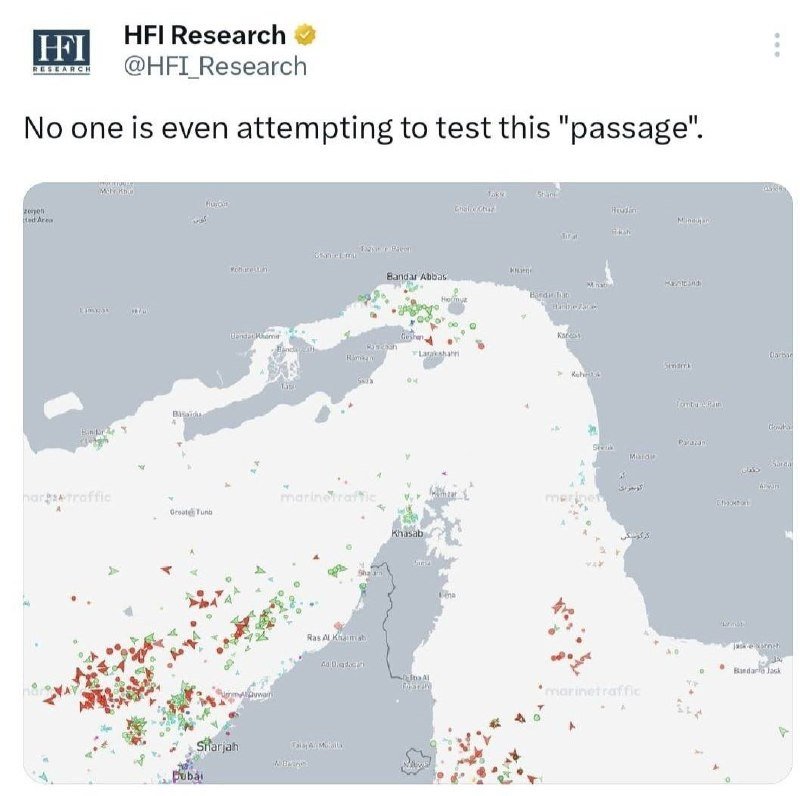
On 4 May 2026, Gulf Arab capitals delivered a blunt message to the Trump administration: do not abandon the region, and do not settle for a weak deal with Iran. Three sources — two operating in the OSINT space and one reporting from Middle East Eye's live coverage desk — describe Saudi Arabia and the UAE applying pressure on Washington through diplomatic channels, warning that either a strategic pullback or a hastily negotiated partial agreement with Tehran would leave Gulf states exposed to Iranian retaliatory risk.
The warnings arrive against a backdrop of sustained US-Iran confrontation, with no formal ceasefire in place and the scope of ongoing strikes still contested. President Trump, speaking to reporters on 4 May, described the conflict as "going well" — a characterisation that Gulf governments appear to view with considerable scepticism, according to sources cited by OSINT Live.
Iran, for its part, has denied planning strikes against the UAE, calling such reports "adventurism" stoked by the United States. Iranian state media, as reported by Middle East Eye on 4 May, accused Washington of manufacturing pretexts for escalation. The denial is significant because it suggests Tehran is, at minimum, concerned about the diplomatic cost of broadening its target set — and that it is aware that Gulf Arab capitals are watching.
What the Gulf states are actually worried about
Saudi Arabia and the UAE have spent the past two years carefully rebuilding diplomatic ties with Iran following years of acrimony. Riyadh restored relations with Tehran in March 2023, and the UAE has maintained an open channel with Iranian leadership throughout the current confrontation. That normalisation gives Gulf capitals a legitimate interest — and a political cover — to advocate for de-escalation rather than alignment with any US-led military push.
But the same US security architecture that underpins Gulf state deterrence also constrains how far Riyadh and Abu Dhabi can publicly distance themselves from Washington. The GCC states host US military assets, depend on US weapons systems, and rely on American intelligence sharing to track Iranian无人机 and missile activity. Walking that line — maintaining the alliance while limiting their own exposure — is the core diplomatic problem Gulf ministries are trying to solve right now.
Israeli sources, as cited by OSINT Live on 4 May, suggest the pressure on Washington is real and continuous. The concern in Tel Aviv and in parts of the Gulf, these sources indicate, is that a US deal with Iran — even one that temporarily freezes enrichment — could be read in Tehran as a signal that the pressure campaign has succeeded, clearing the way for resumed regional activity once the immediate crisis passes.
Trump's "going well" and what Gulf capitals hear
The President's characterisation of the Iran conflict on 4 May drew a sharp contrast with the private assessments circulating among Gulf Arab governments. Trump frames the confrontation as a negotiation in progress, a view consistent with his stated preference for a deal — any deal — that he can present as a diplomatic win. For Gulf states with long memories of US retrenchment in the region, that framing carries risk.
Previous cycles of US-Iran confrontation have ended with Washington absorbing a cost and stepping back, leaving Gulf partners to manage the aftermath. Saudi Arabia and the UAE are acutely aware that the current moment offers no guarantee of a different outcome. A full US withdrawal from the Gulf security architecture — unlikely but not inconceivable — would force Gulf states to either re-establish a working relationship with Tehran or pursue independent deterrence at considerably higher cost.
Iran's denial of any plan to target the UAE is, on its face, reassuring for Abu Dhabi. But Gulf analysts note that Iranian denials have preceded unpredictable moves before. The statement's immediate audience is as much the UAE government as it is the US — a signal, perhaps, that Tehran does not currently want a two-front problem.
The structural position of the Gulf states
Gulf Arab states occupy a structurally awkward position in any US-Iran confrontation. They are not principals in the conflict, but they are positioned directly in its blast radius. Their economies are integrated with global oil markets that Iran has repeatedly threatened to disrupt. Their populations include large Shia minorities whose allegiances are, at minimum, a domestic policy concern. And their diplomatic relationships with Tehran — painstakingly rebuilt after years of proxy war — are vulnerable to being rolled back by any perception that they have become co-belligerents.
The GCC states have, in recent years, pursued a deliberate diversification of their security relationships. Abu Dhabi has deepened defence ties with France and the UK. Riyadh has invested in indigenous missile and drone capabilities. Neither capital is as wholly dependent on the US security guarantee as they were a decade ago. But none has developed the independent strategic depth to absorb a full Iranian response without significant damage.
The question of whether Gulf states can credibly reassure Tehran that they will remain bystanders — rather than enabling a US escalation — is therefore central to what happens next. If Saudi Arabia and the UAE are perceived as quietly hoping the US pressure campaign succeeds, that perception itself becomes a risk factor. If they are perceived as actively restraining Washington, they preserve their normalisation with Tehran at the cost of their standing in Washington.
What comes next
For the Trump administration, Gulf state pressure complicates the negotiating posture the President has signalled he prefers. A deal with Iran that Gulf capitals regard as insufficiently restrictive would risk accelerating the very regional fracturing the administration claims to want to avoid. A US withdrawal would trigger a different kind of instability, one in which Gulf states — and Israel — would be left to manage the consequences alone.
For Gulf capitals, the next several weeks represent a narrow diplomatic window. Iran's denial regarding the UAE is an opening, however temporary. Whether Riyadh and Abu Dhabi can translate that opening into a durable channel — and whether Washington will permit them to try — will determine whether the current confrontation stabilises into a cold negotiation or escalates into something with no good exits for anyone in the region.
Monexus is tracking this story and will update as direct statements from GCC governments or the Trump administration become available.
Wire provenance
This editorial synthesis draws on the following public wire/social posts:
- https://t.me/WarMonitors
- https://t.me/osintlive