Iran Missiles Fired at US Warship in Strait of Hormuz as Pentagon Denies Direct Hit
Iranian state media reported two missiles struck a US warship near the Strait of Hormuz on Monday, hours after US officials denied a direct hit despite confirming an Iranian strike near American vessels in the Gulf.
Reports emerged from Tehran on Monday that Iran fired two missiles at a US warship operating near the Strait of Hormuz, an Iranian official said, after the vessel allegedly ignored repeated warnings from Iranian maritime authorities. The state-run Fars news agency reported the warship was struck and sustained damage in the incident. A senior US official, however, denied that any Iranian missile had directly hit an American vessel, telling multiple news outlets that the US position remained that no US warship was struck despite acknowledging an Iranian strike had occurred in the vicinity of American naval assets.
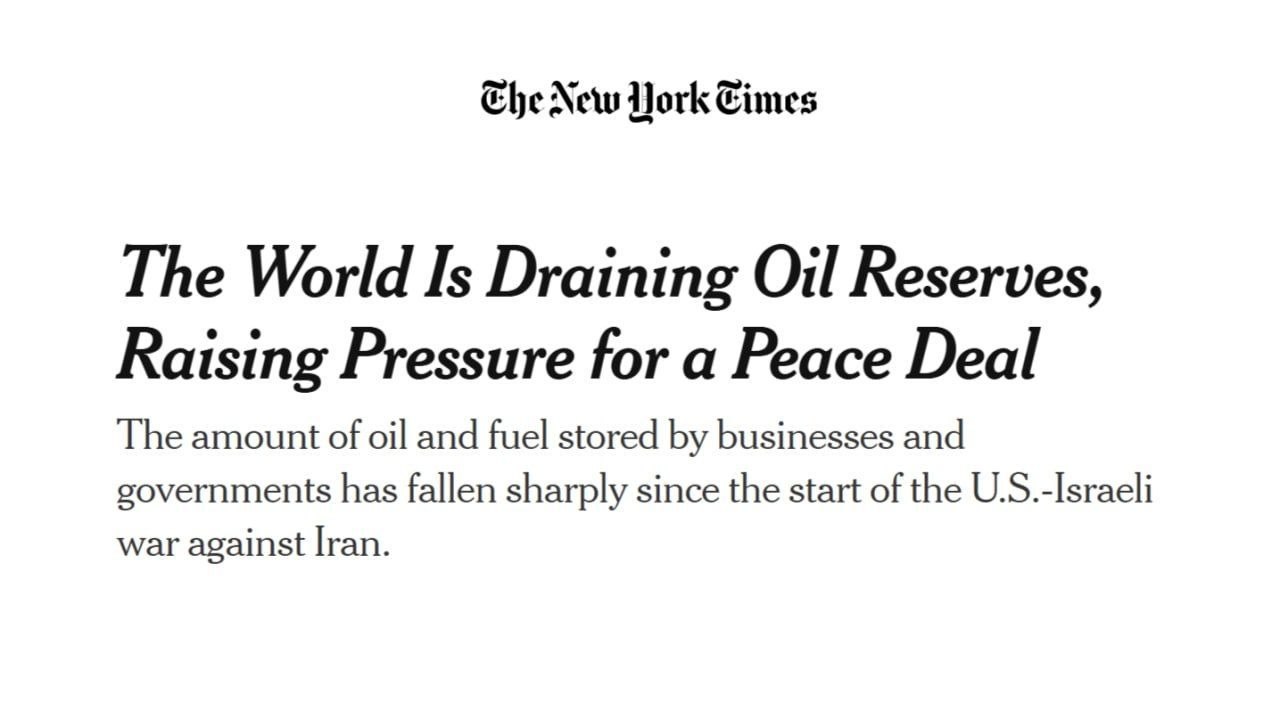
The conflicting accounts surfaced within hours of each other on Monday, creating confusion over the precise sequence of events in one of the world's most strategically sensitive waterways. The Strait of Hormuz, through which roughly a fifth of the world's oil passes, has been a persistent fault line between Iran and the United States since the revival of American sanctions pressure under the new administration.
The Immediate Incident
According to Fars, Iran's Islamic Revolutionary Guard Corps launched two missiles at the US warship after it failed to respond to a series of warnings issued through standard maritime communication channels. The agency, citing what it described as informed sources, said the vessel was hit and damaged. The report did not identify the specific warship involved. Iranian state media characterised the action as a response to what Tehran described as American provocations in the Gulf.
A senior US official rejected the central claim of the Iranian account, stating plainly that no American warship was hit by Iranian fire. The official, speaking on condition of anonymity to discuss operational matters, declined to elaborate on whether the US vessel sustained any secondary damage or near-misses. American officials also declined to confirm or deny whether Iran had fired missiles at American ships at all, according to reporting by Axios on Monday morning.
The Pentagon has not issued a public statement on the incident as of late Monday afternoon. Central Command, which oversees US military operations in the Middle East, did not respond to a request for comment.
Washington's Denial and the Question of Escalation
The American denial carries weight given that US officials have not historically been shy about publicly confronting Iranian provocations in the Gulf. When Iranian forces have struck or attempted to strike US assets in recent years, Washington has typically confirmed the action promptly, sometimes releasing imagery or operational details to underline its version of events.
That this episode produced only a denial — no imagery, no attribution statement, no operational detail — raises the possibility that the administration is managing the episode for domestic and diplomatic reasons rather than escalating it. A senior official telling Axios that American officials neither confirm nor deny whether Iran fired missiles at American ships is a formulation that leaves significant diplomatic room. It neither concedes the Iranian framing nor provokes an immediate military response.
The timing matters. Reporting from osintlive on Monday morning indicated that President Trump, described as disillusioned by the stalled "no deal, no war" posture with Iran, has authorised a more aggressive strategy to ramp up pressure and move toward a resolution of the longstanding nuclear dispute. The missile incident, if genuine, would represent a physical manifestation of that shift — one that the official denial may be designed to contain rather than exploit.
The Broader Pattern: Pressure Without War
The Iran nuclear agreement, which the previous administration restored to a tentative state after years of withdrawal and reimposition of sanctions, has been under renewed strain. Tehran has accelerated its enrichment activities in response to what it characterises as maximum pressure tactics. The new administration in Washington, meanwhile, has signalled impatience with both the diplomatic stalemate and the military deterrence model that has kept direct conflict at bay for years.
What the Strait of Hormuz episode reflects is the operational risk of that impatience. When an American warship operates in a waterway that Iran regards as under its maritime jurisdiction, and when both sides are posturing harder than they have in years, the distance between pressure and contact shrinks. The question is not whether such incidents will occur — the geography and the political trajectory make them near-inevitable — but whether they can be managed without crossing into a chain of escalation neither side is prepared for.
Iranian state media has presented the episode as a legitimate enforcement of sovereignty, not an unprovoked attack. The framing matters: it positions Iran as responding to American intrusiveness rather than initiating conflict. This is a familiar script in Iranian state communications, but it carries particular weight when the wider narrative from Washington is one of pressure and impatience.
Stakes and What Comes Next
The immediate stakes are operational: whether a US warship was struck, whether the damage was significant, and whether the incident changes the calculus of either side in the Gulf. The longer-term stakes are diplomatic: whether an episode that could have been contained becomes the pretext for a harder American response, or whether Tehran uses it to rally international sympathy against American presence in the region.
The Strait of Hormuz is not a place where either side can afford miscalculation. Roughly 21 million barrels of oil pass through it daily. Any escalation that threatens the free flow of traffic through the strait would have immediate global consequences for energy markets, and both sides understand that. The American denial, rather than confirmation and escalation, suggests the administration is still trying to preserve the pressure-without-war framework — at least for now.
Whether that framework survives the next 72 hours depends on what comes next from Tehran, what Central Command reports about the operational facts, and how the White House chooses to characterise Monday's events publicly.
This publication reported the Iranian state media account alongside the American denial, giving both sources equal structural weight in the absence of independently verified operational data. The wire framing, by contrast, foregrounded the Pentagon denial as the dominant account, treating the Iranian claim as secondary. The gap reflects a recurring editorial choice when state-sponsored accounts from adversary nations emerge in fast-moving crisis episodes: verification standards versus completeness of the public record.
Wire provenance
This editorial synthesis draws on the following public wire/social posts:
- https://t.me/osintlive/2842
- https://t.me/osintlive/2841
- https://x.com/BowesChay/status/1920368214539841749
- https://t.me/operativnoZSU/4821