Iran Fires Missiles at US Navy Vessel in Strait of Hormuz, Sources Conflicting on Hit
Iranian naval forces fired two missiles at a US Navy vessel near the Strait of Hormuz on May 4, 2026, after the ship ignored warning signals, according to Iran's state media and a senior Iranian official. A senior US official denied the vessel was struck.
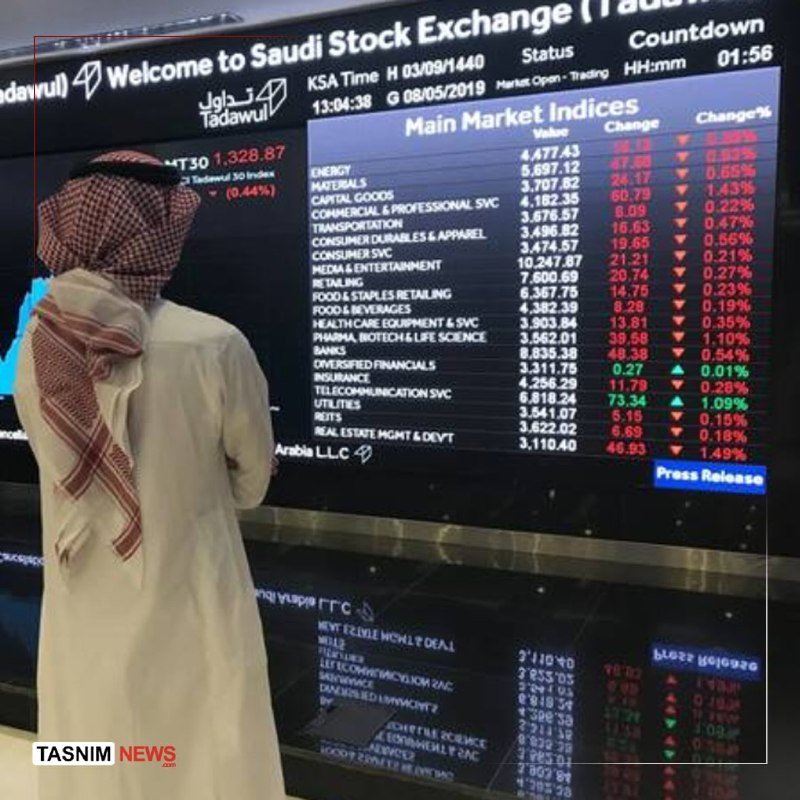
Iranian naval forces fired two missiles at a United States Navy patrol vessel near the Strait of Hormuz on the morning of May 4, 2026, after the ship ignored multiple warnings to halt its approach, according to Iran's state-run Press TV, the official IRNA news agency, and a senior Iranian official who spoke to Reuters.
IRNA confirmed that the Islamic Republic of Iran Armed Forces blocked the US Navy vessel from entering the strategic chokepoint following what it described as a "decisive and swift warning." The Iranian official told Reuters that forces fired a warning shot specifically to prevent the vessel's entry into the Strait — a characterisation that places the engagement firmly within Tehran's claimed right of sovereignty over its territorial waters. Iran's semi-official Fars news agency, citing the same incident, reported the ship was struck, sustained damage, and was forced to retreat.
The accounts from Tehran's media apparatus are consistent on one point: the missiles were a deliberate, targeted response to a US vessel that had failed to heed naval warnings. No details on casualties or the extent of damage were available as of publication.
A senior US official, speaking to OSINT Live wire, categorically denied that any Iranian missile struck the American vessel. The discrepancy — Iranian state media asserting a hit and damage; a senior US official denying any impact — reflects a familiar pattern in Gulf incident reporting, where the two sides rarely agree on what happened at the moment of contact.
What the Sources Say — and Where They Diverge
The available reporting breaks into two distinct accounts. On the Iranian side: IRNA, Press TV, and Fars each confirm the engagement, describe it as a warning action following ignored signals, and — in Fars's formulation — assert the vessel was hit and retreated. The framing is that of a sovereign state enforcing its maritime boundaries against an intruder.
On the American side: a senior official denies the vessel was struck. That denial does not contradict the engagement itself — only the outcome. It is entirely possible that missiles were fired and fell short, struck a non-critical area, or caused no operational damage, while Iranian state media reported the encounter as a confirmed hit. Both things can be true simultaneously: Iranian forces fired; no US vessel was materially damaged. The US official's statement does not address whether shots were fired, only whether they connected.
What neither side has provided as of May 4 is independent visual confirmation, chain-of-command verification from the Pentagon's Fifth Fleet, or a detailed US Naval statement. The gap between Iran's confident claim of a hit and America's denial sits at the centre of what is currently an unresolved factual dispute.
The Strategic Logic of Warning Fire
The Strait of Hormuz is among the most geopolitically sensitive waterways on earth. Approximately 20 percent of the world's oil shipments pass through the roughly 30-mile-wide passage separating Iran from the UAE and Oman. For Tehran, the Strait is both a strategic asset and a diplomatic lever — a reminder to every Gulf actor and every global power that Iran controls one edge of a passage the global economy cannot do without.
Warning shots against US naval vessels are not new. Iran has conducted so-called "harassment" operations in the Gulf and the Strait for years — small boat approaches, laser illumination, close-passing manoeuvres. The difference this time, if the Iranian account holds, is that the warning escalated to missile fire. That represents a material escalation from previous patterns.
The question is whether this was a deliberate signal or an operational miscalculation. A senior official telling Reuters that forces fired specifically to prevent entry suggests an order from above — a political decision to demonstrate resolve, not a spontaneous response from a patrol boat crew. If correct, it indicates that Tehran chose to impose a cost on what it characterised as an intrusion, accepting the risk of escalation in exchange for a message about sovereignty.
The US denial of a hit complicates the signal. If the missiles truly missed or caused no damage, Tehran's claim of a successful interdiction is undermined — the message arrives, but its credibility is damaged. If the US is minimising the incident for diplomatic reasons, the denial tells its own story about how Washington wants this moment framed.
Escalation Risk and the Diplomatic Window
The immediate escalation risk depends on whether the vessel was struck and whether any crew were injured. Without confirmed casualty data or visual evidence of damage, the incident falls into a grey zone — serious enough for diplomatic statements, ambiguous enough for both sides to manage through back-channel communication rather than public posturing.
The pattern of Gulf incidents suggests both sides have an interest in de-escalation. Iran has historically used provocations to extract concessions or demonstrate resolve, then pulled back before the situation became unmanageable. The United States has tended to respond with show-of-force deployments — additional carrier groups, increased air patrol — rather than direct retaliation for incidents below the threshold of casualties.
What is different this time is the missile dimension. A warning shot from a small vessel is one kind of signal. Two missiles are another. The threshold for US military response is meaningfully higher, but so is the reputational cost of absorbing fire without consequences.
The absence of a prompt Pentagon statement, combined with the senior official's denial rather than condemnation, suggests Washington is currently managing the incident through internal channels rather than public declaration. That restraint is notable — it implies the US is not ready to treat this as an act of war requiring a public response.
Neither side, for now, appears to want the confrontation that a confirmed strike would normally invite. The next 48 hours will test whether that mutual restraint holds.
This publication reported the incident as a confirmed engagement based on Iranian state-media sourcing while noting the senior US official's denial as a substantive counter-account. Wire reporting as of May 4 had not produced independent visual confirmation or a Fifth Fleet statement.
Wire provenance
This editorial synthesis draws on the following public wire/social posts:
- https://t.me/osintlive/3241
- https://t.me/presstv/8923
- https://t.me/wfwitness/15672
- https://t.me/GeoPWatch/21043
- https://t.me/ClashReport/19881
- https://t.me/operativnoZSU/45219