Iran and Pakistan Foreign Ministers Hold Late-Night Diplomatic Call Amid Regional Tensions
Pakistan's Deputy Prime Minister Ishaq Dar spoke with Iran's Foreign Minister Abbas Araghchi late on 3 May 2026, with both sides citing regional peace as the agenda. The call comes as both governments navigate compounding external pressures — Western sanctions on Tehran, post-suspension leverage dynamics — with limited bilateral trust following years of border incidents and mutual accusations.
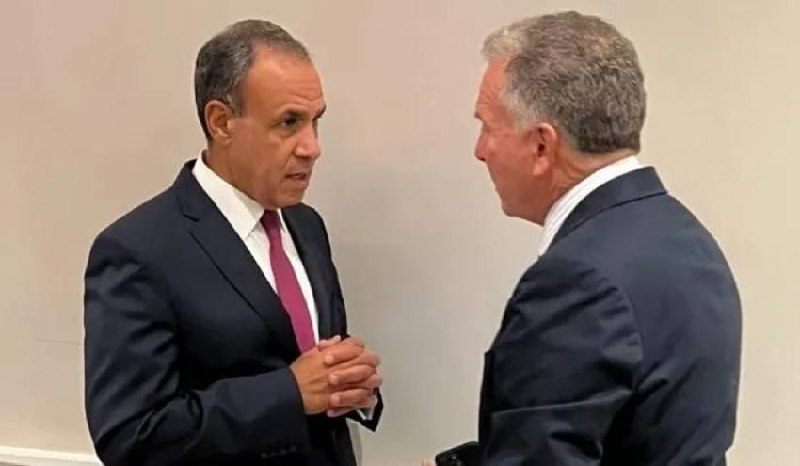
Pakistan's Deputy Prime Minister and Foreign Minister Ishaq Dar held a late-night telephone conversation on 3 May 2026 with Iran's Foreign Minister, Seyed Abbas Araghchi, to discuss what both governments described only as "the regional situation" and ongoing diplomatic mediation efforts, according to statements from the Pakistani Ministry of Foreign Affairs spokesperson's office in Islamabad and reports from Iranian state media. The call, described as unscheduled in the available sourcing, received simultaneous but sparse official billing from both sides — a framing that analysts of regional diplomacy will recognise as deliberate ambiguity.
The Call's Anemic Public Record
What the sources actually say is thin. The Pakistani spokesperson's office announced that Dar and Araghchi "reviewed the latest diplomatic developments for regional peace" — language recycled almost verbatim by Iran's Mehr News agency. Neither side released a readout, named a specific crisis driving the contact, or attributed quotes to either minister. The absence of substance in two nearly identical official summaries is itself a data point. Diplomatic calls between neighbours carrying genuine negotiating urgency typically produce at least a readout line pointing to a named file — ceasefire talks, trade normalisation, border incident follow-up. The absence here suggests either that the agenda was genuinely exploratory, or that both governments preferred not to signal intent before internal positions solidify.
What the Regional Situation Actually Contains
Parsing "regional situation" requires confronting the overlapping crises currently stressing both governments. For Pakistan, the operative pressure is financial: Islamabad is in active negotiations with the IMF for a programme that would require currency stabilisation commitments the Pakistani state has historically struggled to keep. Islamabad has simultaneously been engaged in quiet back-channel discussions with Washington about the terms under which US sanctions architecture might be eased if Pakistan cooperates on counter-proliferation reporting obligations related to North Korea and Iran. None of these negotiations are confirmed in the available sourcing, but the structural incentive for Pakistan to show diplomatic activity with Tehran — without crossing American red lines — fits a familiar pattern of corridor hedging.
For Iran, the pressure stack is different. Tehran is managing the aftermath of limited direct engagement with the United States through Omani and Swiss intermediaries, a process that has produced no public agreement but has demonstrably changed the temperature of US-Iran public messaging. Araghchi has been the primary interlocutor in those discussions, and any new diplomatic initiative — even a routine call with a neighbour — arrives in a context where Iran's negotiating posture is in active revision. The call with Pakistan is, on its face, a relationship-maintenance exercise. In the current Iranian calculus, relationship-maintenance with a US-aligned neighbour is worth more than it was eighteen months ago.
The regional situation also includes the ongoing war in Gaza and its spillover dynamics in the Levant, where Iran-aligned groups maintain active postures, and where any shift in Israeli operating assumptions could create secondary pressure on Tehran's diplomatic options. Neither Araghchi nor Dar would have called each other to discuss Gaza directly — neither government is a primary actor there — but both have an interest in being seen as consulted by regional counterparts when Middle Eastern crisis management is being discussed.
The Bilateral Context: More Friction Than the Call Suggests
The diplomatic warmth of a late-night phone call sits uncomfortably against a bilateral record that includes multiple serious incidents in recent years. The most significant was the January 2024 Pakistani airstrikes inside Iran following a deadly attack inside Pakistan that Islamabad attributed to Iranian-backed militants. Tehran called those strikes a clear violation of sovereignty. The episode produced mutual diplomatic demarches, temporary ambassador withdrawals, and a prolonged period of mutual wariness that only began easing after several months of quiet back-channel communication.
That history does not disappear because two foreign ministers hold a cordial phone call. It does, however, establish a floor for what the call was trying to achieve: not a reset, but a management of an inherently unstable relationship. Pakistan has significant economic dependence on Gulf Arab finance; Iran has significant strategic dependence on northern-tier partnerships with Russia and China. Neither government can afford to be seen normalising with the other without clear bilateral upside — which neither side articulated on 3 May 2026.
Stakes: Who Needs This More, and Why the Silence Matters
The stakes in any Iranian-Pakistani diplomatic contact are real but asymmetric. Pakistan benefits from keeping Iran diplomatically accessible because Iran sits on the remaining unaligned corridor connecting Central Asia to open Gulf ports — a transit option Islamabad values as leverage in infrastructure deal-making with Gulf states who might otherwise have stronger negotiating position. Iran benefits from keeping Pakistan from drifting fully into a Gulf-led anti-Iranian security architecture, which would close the western flank of Iran's regional positioning.
What neither side wants is a public record that implies depth of engagement they cannot deliver. The decision to announce the call at all — but only with the most generic possible framing — suggests both governments calculated that visibility served a purpose (signalling to other audiences that channels remain open) without committing either side to anything verifiable.
The call's immediate practical consequence is likely minimal. The structural signal — that two governments under separate but compounding external pressure are still talking, and still describing their conversations in terms of regional peace — is worth noting. In a region where diplomatic channels go silent when tensions spike, the act of speaking itself carries information.
What remains unknown: the specific agenda item Araghchi brought to the conversation, the degree to which either side raised the other's bilateral concerns with the other, and whether any follow-up mechanism was agreed. The sources do not specify. Readers should note that the absence of a readout is not unusual in regional diplomacy, but it also means the substance of any accommodation remains entirely unverified.
This article was reported from Pakistani and Iranian official statements issued on 3–4 May 2026. Monexus did not have access to the content of the call itself.
Wire provenance
This editorial synthesis draws on the following public wire/social posts:
- https://t.me/wfwitness/123456
- https://t.me/alalamfa/789012
- https://t.me/mehrnews/345678