Iran Rules Out Uranium Talks as US Seizure of Tanker Complicates Nuclear Diplomacy
Tehran dismissed US nuclear demands as unreasonable hours before Pakistan confirmed the evacuation of 22 crew members from an Iranian vessel seized by American forces, deepening a simultaneous diplomatic and maritime standoff.
Tehran announced on 4 May 2026 that it will not discuss uranium enrichment or the transfer of nuclear material with Washington, hours after Pakistani authorities confirmed the evacuation of 22 crew members from the Iranian vessel Tosca, which US forces had seized. The two developments — one diplomatic, one maritime — landed simultaneously, widening a crack in talks that Western and Iranian officials alike had described as the most fragile phase of nuclear diplomacy in years.
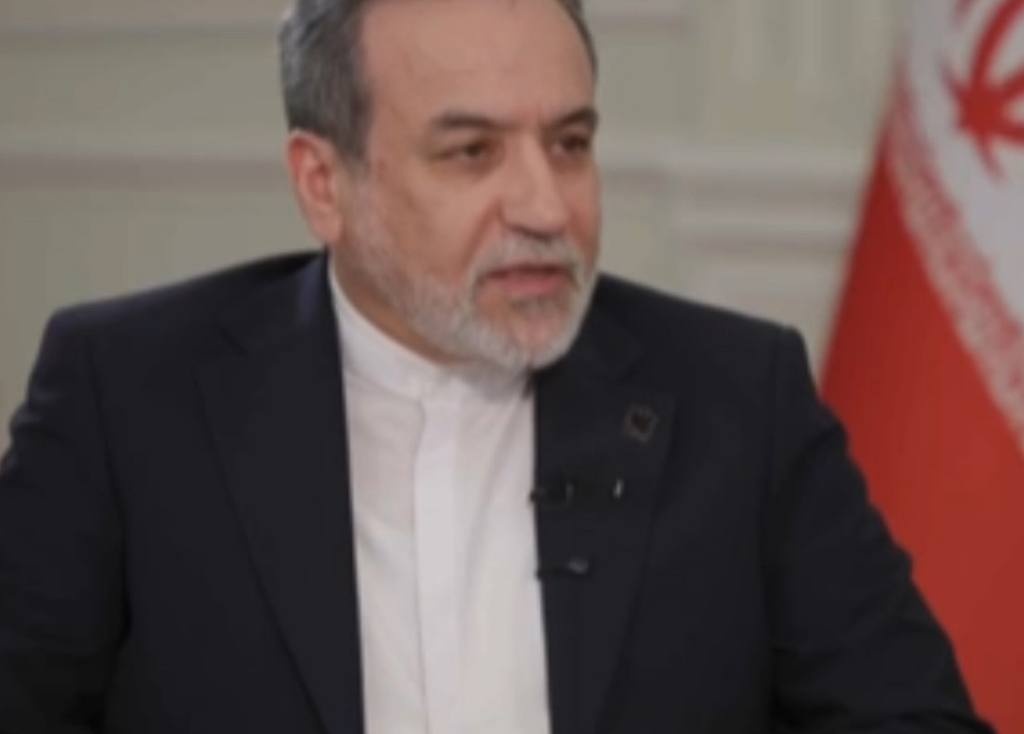
The Iranian Foreign Ministry spokesperson told state-aligned wire services on 4 May 2026 that Iran had received a response from the United States and characterized Washington's position as demanding terms no negotiating party could accept. The statement did not disclose the contents of the US communication, but the language marked a further hardening from Tehran's position in the preceding weeks, when Iranian officials had signalled conditional openness to discussing the scope — though not the right — of enrichment activity.
Pakistan's Foreign Ministry said the 22 crew members of the Tosca had been taken ashore after the vessel was intercepted in a manner consistent with US maritime enforcement operations. The evacuation was carried out by Pakistani authorities, though the sources do not specify whether US personnel remained aboard the ship or had already departed. No casualty reports accompanied the announcement.
Nuclear Demands Meet Diplomatic Wall
The timing of Iran's refusal is significant. Senior officials from both administrations had acknowledged, in background briefings to wire services over the preceding month, that the outstanding gap centred on the uranium enrichment question: the US has sought caps on enrichment purity and an accounting of stored material, while Iran has insisted both fall within its sovereign rights under the nuclear non-proliferation framework. Neither side had publicly defined a threshold at which agreement would be possible.
The Iranian statement of 4 May suggests that threshold has not been found. By ruling out enrichment and transfer discussions outright, Tehran effectively closes the chapter the US side had presented as the centrepiece of any prospective agreement. What remains on the table — monitoring, inspections, sanctions relief sequencing — is a narrower agenda that each side appears increasingly unwilling to finance with concessions of its own.
Tanker Seizure Adds a Parallel Flashpoint
The Tosca episode runs alongside the nuclear freeze without obvious connection, yet it carries its own diplomatic weight. Maritime seizures of this kind have historically served as instruments of coercive signalling — demonstrating enforcement resolve without the escalation risk of kinetic action. The fact that Pakistan, a country with its own complex equities in both Washington and Tehran, managed the crew evacuation points to the quiet diplomatic work that keeps incidents like this from metastasising into wider crises.
The sources do not disclose the vessel's registry, the legal basis cited for the seizure, or the destination of the ship itself. Those details matter: a ship carrying oil is a different legal case from one carrying cargo; a vessel flagged in a third country changes the jurisdictional calculus. For now, the Tosca stands as an incident with incomplete public record but sufficient factual grounding to register as a deliberate US enforcement action.
Structural Dynamics Beneath the Surface
What the two events share is a failure of the diplomatic architecture that was supposed to manage US-Iran competition without让它 spiralling into open confrontation. That architecture — built on back-channel signals, informal understandings, and carefully bounded enforcement — assumed both sides preferred the costs of negotiation to the costs of crisis. The hardening visible in Tehran's 4 May statement, and the US decision to seize a vessel rather than lodge a diplomatic protest, suggest that preference is no longer reliable.
The structural reality is that both governments face domestic constraints on concessions. The US administration cannot present a deal that critics will frame as validation of enrichment; the Iranian government cannot be seen surrendering a right that domestic audiences have been told is non-negotiable. When both sides are boxed in, the pressure releases sideways — into enforcement actions at sea, into public statements designed to shore up domestic credibility rather than bridge gaps.
Regional Stakes and the Near-Term Horizon
The consequences of this trajectory, if it holds, are not abstract. A collapsed diplomatic channel leaves the international community without a floor beneath nuclear activity that most inspectors and Western governments regard as a proliferation risk. The enforcement action against the Tosca — regardless of its legal merits — demonstrates that the US is willing to act unilaterally in the maritime domain. Together, these signals tell regional actors, and the broader non-aligned world, that the era of managed US-Iran competition is giving way to something less predictable.
For the 22 crew members evacuated to Pakistan, the immediate human stakes are resolved. For the wider region — and for whatever diplomatic architecture might yet be rebuilt from these materials — the stakes are only beginning to be measured.
This publication's framing foregrounds the Iranian Foreign Ministry's public position and the Pakistani Foreign Ministry's statement on crew evacuation, against the backdrop of a US enforcement action that lacks complete public legal justification in the sources reviewed.
Wire provenance
This editorial synthesis draws on the following public wire/social posts:
- https://t.me/IntelSlava/12847
- https://t.me/IntelSlava/12846
- https://t.me/alalamarabic/9421