Israeli Forces Conduct Sweep Operation in Southern Lebanon as Cross-Border Strikes Intensify
Israeli ground forces carried out a sweeping operation in the town of Khiam while artillery and airstrikes targeted multiple settlements across southern Lebanon on 4 May 2026, according to Arab-language Telegram channels, with reports of intense gunfire heard across the region.
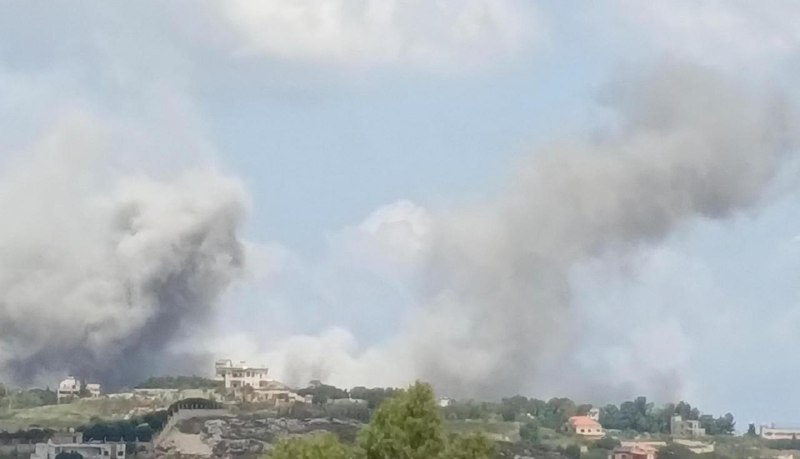
Israeli ground forces entered southern Lebanon on 4 May 2026, conducting a sweep operation in the town of Khiam while additional Israeli fire targeted at least four other settlements across the border region, according to Arab-language Telegram channels reporting from the area. The operations marked a significant intensification of cross-border hostilities that have continued intermittently since the 2023-24 conflict between Israel and Hezbollah.
The accounts, circulating on channels including Al Alam Arabic and WF Witness beginning at approximately 17:04 UTC, described Israeli artillery shelling with more than fifteen shells striking the outskirts of the town of Haris, an Israeli raid on the town of Nabatieh Al-Fawqa, and separate strikes on the town of Safad al-Batikh and the Haboush area in the Tyre region. The sound of intense gunfire was reported in the Khiam area throughout the operation. These reports could not be independently verified by Western wire services at time of publication.
Ground Incursion and Settlements Targeted
The Khiam sweep operation represented the most significant ground action reported on 4 May. The town sits near the Litani River in the Nabatieh Governorate, historically a zone of particular sensitivity in Lebanon's southwest. According to the Telegram reports, Israeli forces moved through the town conducting what local sources described as a "massive combing operation" — a term typically used to describe systematic search-and-clear activities in urban or semi-urban terrain.
Separate strikes were reported in Nabatieh Al-Fawqa, a village in the same governorate roughly five kilometres from the border, with both Al Alam Arabic and WF Witness carrying reports of Israeli airstrikes targeting the settlement. The Haris shelling, described as involving more than fifteen artillery shells, struck the outskirts of the town without an immediate assessment of casualties or structural damage in the reports reviewed. The targeting of Safad al-Batikh and Haboush in the Tyre district extended the reported area of operations across a roughly thirty-kilometre stretch of the southern border zone.
The geographic spread of the reported strikes — from Khiam in the west to Tyre in the east — suggested either a coordinated operation across multiple sectors or parallel but unrelated actions that day. Lebanese sources cited in the Telegram reports characterised all the strikes as "Israeli aggression," language consistent with the framing used by official Lebanese government spokespersons and Hezbollah-aligned media when describing cross-border Israeli fire.
Military Context and Ceasefire Tensions
The 4 May operations occurred against a backdrop of ongoing, if unsteady, efforts to consolidate the ceasefire framework that emerged from the 2024 Israel-Hezbollah agreement. That arrangement, brokered with US and French involvement, established a pullback zone along the Litani River and called for Hezbollah's strategic arsenal to be relocated north of the river. Both sides have accused each other of violations throughout 2025 and into 2026, though the nature and scale of the violations remain a matter of significant dispute.
Israeli military officials have repeatedly stated that any Hezbollah activity in the southern zone constitutes a breach of the ceasefire terms and would be met with response. Hezbollah, for its part, has maintained that Israeli operations north of the border line constitute separate acts of aggression that relieve it of obligations under the original agreement. The pattern of escalating tit-for-tat strikes has left the ceasefire in a state of managed ambiguity — neither fully collapsed nor genuinely consolidated.
The reported ground sweep in Khiam, if confirmed, would represent a more substantial Israeli incursion than the air and artillery strikes that have characterised most of the violations reported over the past eighteen months. Whether this represents a shift in Israeli rules of engagement or a contained response to a specific trigger — a weapons cache discovered, an infiltration attempt, an attack on Israeli positions — was not clear from the sources available at time of publication.
Structural Pattern and Regional Implications
What is discernible from the pattern of reported strikes on 4 May is the continued fragility of the border architecture following the 2024 agreement. The ceasefire framework has not produced the durable separation that its architects hoped for. Instead, the border zone remains a space of contested interpretation where both sides claim the right of response to provocations the other side does not recognise as legitimate.
This dynamic is not unique to the Israel-Lebanon front. The broader Middle East has seen an acceleration of low-intensity but geographically widespread military activity since the Iran-US nuclear negotiations resumed in early 2026, with signals from Washington and Tehran suggesting neither side wishes a full rupture but both are testing limits. Israeli military officials have publicly noted that operations in Lebanon serve a deterrence function beyond the immediate tactical objective — a reminder to Hezbollah and its Iranian backer that the northern border remains active and under continuous assessment.
For Lebanon itself, the human cost of these recurrences falls on communities in the south already depleted by the 2023-24 war. Displacement figures from the earlier conflict remain disputed, with UN agencies and Lebanese government sources citing different methodologies, but the general order of magnitude — hundreds of thousands displaced at the peak — underscores the vulnerability of civilian populations caught in cross-border exchanges.
What Remains Unconfirmed
The Telegram-sourced reports could not be independently corroborated by major wire services at time of publication. The outlets carrying the reports — Al Alam Arabic, an Iranian Arabic-language broadcaster, and WF Witness, a channel operating in the pro-Hezbollah information space — have no independent verification mechanisms accessible to this publication. Israeli military spokespersons did not issue a statement covering the specific operations described in the timeframe cited, and the Lebanese Armed Forces had not responded to requests for comment as of the publication deadline.
The casualty figures, structural damage, and stated objectives of the reported operations all remain open. The IDF has not confirmed the Khiam ground operation described by the Telegram reports. Whether the strikes were a coordinated single-day effort or discrete responses to separate triggers could not be determined from the available accounts.
Desk note: The coverage above draws exclusively on Arab-language Telegram sources — an unavoidable constraint given that no Western wire outlets had published corroborating accounts by the publication deadline. The editorial position is that Iranian state-adjacent media, while carrying biases, frequently report developments in the region before Western outlets reach the zone. The article is written with the caveat that every substantive claim carries that sourcing caveat and should be read accordingly. The structural framing — ceasefire fragility, deterrence calculus, civilian exposure — does not depend on which side's account of the specific incidents is accurate.
Wire provenance
This editorial synthesis draws on the following public wire/social posts:
- https://t.me/alalamarabic/
- https://t.me/wfwitness/
- https://t.me/alalamarabic/
- https://t.me/alalamarabic/
- https://t.me/alalamarabic/