Project Freedom: Trump Deploys Military Muscle Into Hormuz as Oil Markets Stay Unmoved
The Trump administration has announced its most direct naval intervention in the Persian Gulf since the 2019 tanker seizures. But oil traders, already absorbing a year of tariff-driven price volatility, are sending a blunt signal: they are not convinced.
The Trump administration announced on 4 May 2026 that the US military will begin escorting commercial vessels through the Strait of Hormuz under an operation it calls "Project Freedom." According to a US military briefing carried by BBC News, the mission will involve more than 100 aircraft and 15,000 personnel, and is due to start on Monday. The announcement came after a sustained campaign of vessel detentions by Iranian-backed groups in the Gulf — detentions that have placed dozens of mariners in prolonged legal and physical limbo and unnerved the global shipping insurance market.
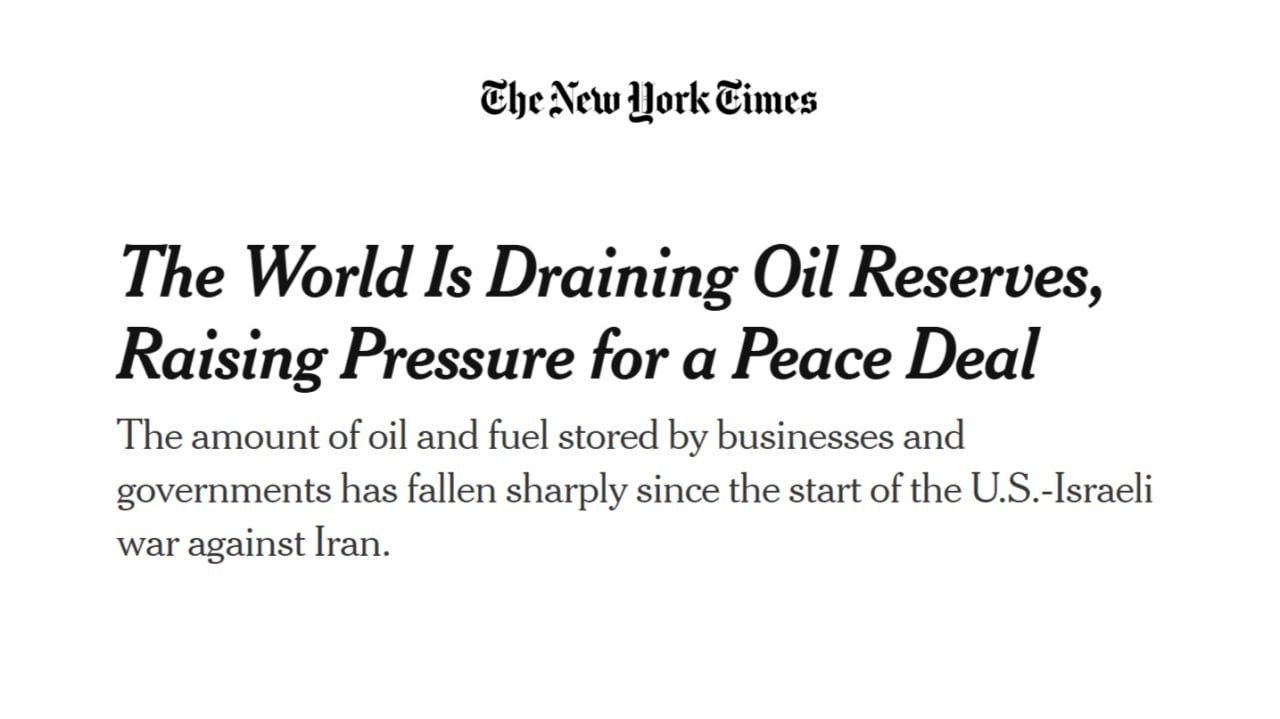
This is the most direct US naval intervention in the Persian Gulf since the sequence of tanker seizures and limpet-mine attacks that roiled Hormuz shipping in 2019. It is also, on the face of it, a substantial commitment of American combat power to a corridor that hosts roughly a fifth of global oil throughput. Yet the immediate market reaction, reported by Al Jazeera on 4 May 2026, was muted: oil prices held steady, having apparently concluded that a show of force is not the same as a resolution to the underlying dispute.
The disconnect between the scale of the military announcement and the flatness of the oil price response is the first signal worth examining closely.
The Operational Picture — and Its Limits
Project Freedom, as briefed by CENTCOM, is designed to provide armed escort for commercial vessels — particularly those flying flags of non-Iranian states — transiting the narrowest section of the Strait. The operation covers a corridor where Iranian territorial claims, disputed岛屿, and the outer lane of international shipping lanes intersect in ways that create legal ambiguity that armed groups have been systematically exploiting.
The briefing's figure of 15,000 personnel implies a carrier strike group presence, significant air wing deployment, and sustained afloat operations — the kind of footprint that communicates resolve at a muscular level. But the operation is retrospective in its core logic: the vessels already detained by Iranian-backed actors are not in international waters awaiting escort. Many are in Iranian-adjacent port custody, their crews subject to extended interrogation and, in several documented cases, denied timely consular access.
The commercial shipping industry, which absorbs the insurance premiums and detention costs when these incidents occur, has responded with careful restraint. No major maritime insurer has publicly changed its Gulf premiums in response to the Trump announcement; several London market underwriters noted privately, according to industry reporting, that escort provision does not resolve the underlying sanctions-exposure that makes vessels vulnerable to Iranian-law enforcement claims in the first place.
The Counterargument — and Why It Holds Less Than the Administration Suggests
The administration's framing presents the escort operation as straightforward deterrence: demonstrate sufficient American military presence, and the actors holding vessels will release them rather than risk direct engagement with US forces. This logic has surface plausibility. The 2019 episode — in which a sequence of tanker seizures prompted a significant but temporary disruption to Gulf shipping insurance rates — did ultimately see releases after diplomatic back-channel engagement with Tehran.
But that episode is instructive for different reasons. The 2019 releases were not secured by a sustained US naval presence in the Strait. They were secured through a sequence of indirect negotiations, facilitated by Oman and the UAE, in which the Iranian side secured concessions on sanctions-exemption categories that were presented as administrative adjustments rather than concessions. The military posture was backdrop; the diplomatic outcome was the product of structured negotiation.
Project Freedom does not, on the available evidence, include a parallel diplomatic track. The White House announcement, reported by Polymarket as a breaking declaration on 3 May 2026, was presented as a unilateral US action, not as a component of a coordinated allied response. That distinction matters: Iranian decision-makers, reading the announcement, see a military gesture without a visible off-ramp — which in the calculus of sanctions-driven confrontations may incentivise further seizures rather than deter them, if the perceived cost of each additional detention remains below the threshold of a direct US-Iranian naval clash.
The Structural Frame — Hormuz as Dollar Architecture, Not Just Oil Transit
The Strait of Hormuz sits at an intersection of commercial shipping logic and the architecture of financial sanctions enforcement. The US has used the dominance of the dollar in global commodity markets — and the correspondent banking infrastructure that flows from it — as an instrument of secondary sanctions enforcement that extends well beyond what United Nations Security Council resolutions mandate. Iran's oil export revenues, squeezed by these mechanisms, have found partial relief through ship-to-ship transfers outside the Strait and through the vessel-detention leverage that creates the conditions for this week's announcement.
In this framing, each seizure is not merely a navigational incident. It is a political act — one that extracts a cost from the commercial shipping network in ways that amplify the pressure on the dollar-denominated sanctions regime. The Trump administration, which spent much of early 2026 applying broad tariff pressure that disrupted oil demand forecasts, now faces a situation where Hormuz instability itself risks reversing the price relief that tariff-driven demand destruction had begun to produce.
The structural logic is that Hormuz can only be reliably stabilised through a resolution of the underlying sanctions architecture dispute — one that either provides Iran with sufficient export pathway relief to reduce the incentive for low-intensity naval confrontation, or that restores sufficient US-Iranian diplomatic contact to manage the maritime boundary frictions directly. A single escort operation, however large, addresses neither condition.
The Stakes — Who Wins and Who Loses if the Trajectory Continues
If Project Freedom proceeds without escalation — and the Iranian-adjacent actors choose to release detained vessels rather than test the escort capability — the short-term beneficiaries are the shipping companies currently managing detained assets, their insurers, and the mariners held in custody. Oil markets, which priced in ongoing Hormuz risk throughout April, would experience modest relief.
If the operation triggers further detentions as a signal that Iran will not be cowed by US military presence, the escalation dynamics are serious. The Strait handles roughly 21 million barrels of oil per day in normal conditions. A disruption that closes or effectively neutralises the corridor would, by most models, push Brent crude above the levels that preceded the tariff shock of early 2026 — with knock-on consequences for global inflation expectations, central bank policy, and the fiscal positions of oil-importing governments across Southeast Asia and sub-Saharan Africa.
The deeper loser, if this episode follows the 2019 pattern without a negotiated resolution, is the credibility of the US naval guarantee as a stabilisation instrument in the Gulf. Regional actors — commercial and governmental — would increasingly price in a gap between American military display and American resolve to enforce shipping rights by force. That pricing adjustment, once embedded in insurance premiums and charter rates, tends to persist even after diplomatic normalisation resumes.
What Remains Unresolved
The sources reviewed for this article do not specify the precise legal basis under which Iranian-backed groups are detaining vessels — whether these detentions are carried out under claimed coastal jurisdiction, under sanctions-enforcement logic, or under a mix of both. The composition of the crews on detained vessels, and the diplomatic channels currently active to secure their release, are not detailed in the available briefing material. The administration has not publicly specified what outcome it defines as success for Project Freedom, nor what the trigger is for escalating beyond escort operations to direct intervention against vessels in Iranian custody.
Those are the questions that will determine whether this announcement marks the beginning of a de-escalation or the opening move in a more sustained confrontation. The oil market, for now, is reserving judgment.
This publication's reporting on the Strait of Hormuz has consistently foregrounded the commercial shipping community's perspective and the structural conditions — sanctions architecture, insurance market dynamics, and the financial infrastructure of oil trade — that shape how incidents in the Gulf translate into price signals. The wire framing this week treated Project Freedom primarily as a military development; Monexus focuses on the gap between military posture and market outcome as the more instructive story.
Wire provenance
This editorial synthesis draws on the following public wire/social posts:
- https://t.me/aljazeeraglobal/3846
- https://t.me/aljazeeraglobal/3847
- https://x.com/polymarket/status/1919012345671934237