Trump Dismisses Iran Peace Proposal as Hormuz Standoff Hardens
President Trump on 4 May 2026 called Tehran's 14-point peace plan unacceptable, as Iran warned that any US intervention in the Strait of Hormuz maritime regime would constitute a ceasefire violation. The simultaneous hardening of both sides leaves the energy chokepoint at the centre of an escalating standoff.
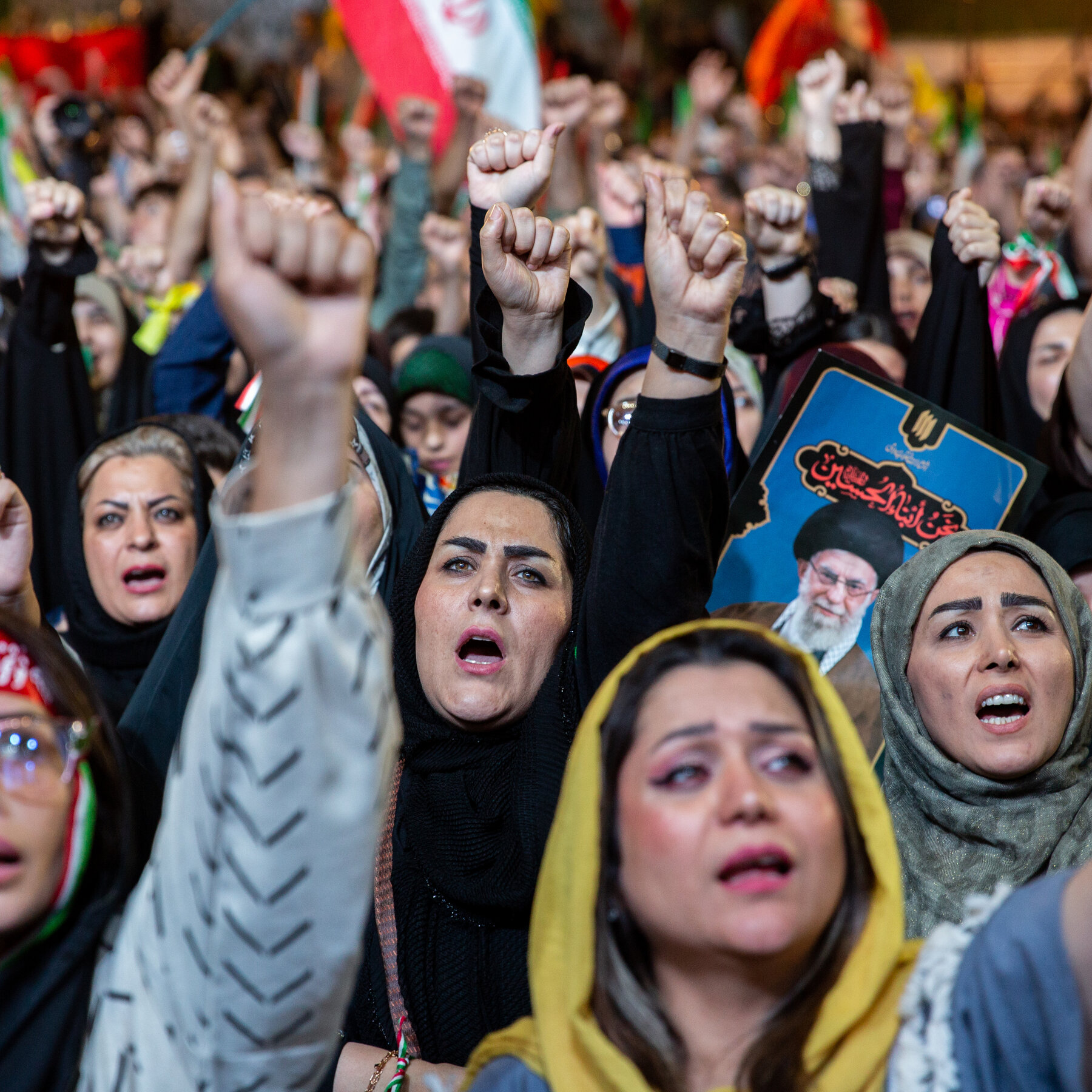
President Donald Trump declared on 4 May 2026 that Iran's 14-point peace proposal was unacceptable, closing one diplomatic door even as tensions around the Strait of Hormuz deepened. The statement, carried by CGTN and confirmed across wire reports, followed an Iranian announcement that Washington had formally responded to the plan — itself a potential opening that analysts had flagged as worth watching just 24 hours earlier.
The speed at which the diplomatic window appears to have narrowed is significant. As recently as 3 May, Trump's remarks had been characterised as a willingness to review Tehran's proposal, a posture that, while cautious, left the outcome genuinely open. By 4 May, that ambiguity had been replaced with a clear rejection. The White House has not published the formal text of its response, but Iranian state media identified it as a counter-proposal to Tehran's 14-point framework.
Hormuz on the front line
The maritime dimension of the standoff adds a structural urgency that diplomatic delays cannot absorb. The Strait of Hormuz carries roughly one-fifth of the world's oil shipments — an estimated 17 to 21 million barrels per day, depending on the reporting window — and any sustained disruption reverberates through energy markets within hours. Trump said on 4 May that the United States would launch an effort on Monday to "guide" stranded vessels from the strait. The comment suggests that at least two ships operating near the Hormuz approaches had reported incidents — attacks is the word the wire services used — and that their crews were effectively trapped or unable to navigate without some form of protection.
Iranian state media moved quickly to define the consequences. A senior parliamentarian in Tehran told PressTV on 4 May that any US interference in what Iran is describing as its new maritime regime for the Strait of Hormuz would constitute a ceasefire violation. The phrasing matters: Tehran is not simply defending its territorial waters — it is asserting a right to impose a new operational framework on a chokepoint that is, by consensus of international maritime law, an international waterway. The legislator's office did not specify what the new regime entails in operational terms, and the sources reviewed do not include a published Iranian government decree on the matter.
What Tehran wants — and what Washington can accept
Iran's 14-point peace plan has not been published in full by any outlet among the sources reviewed, which limits granular analysis. What is clear from the CGTN reporting and ancillary wire context is that the framework includes some mechanism for sanctions relief paired with constraints on nuclear activity and regional behaviour. The outline is consistent with what Iranian officials have signalled since the earlier round of indirect negotiations collapsed earlier in the year: a structured exchange in which sanctions relief and access to frozen sovereign assets precede full compliance verification.
Washington's counter-position, as reported, centres on what the administration regards as insufficient commitments on uranium enrichment limits. The administration has made clear in prior public statements that any agreement must include permanent caps on enrichment levels — a demand Tehran has historically resisted as incompatible with its stated rights under the Nuclear Non-Proliferation Treaty.
The gap between these positions is not new. What is new is the Hormuz dimension: Iran appears to be testing whether the pressure of potential disruption to global oil markets translates into leverage that its negotiating position in Vienna or Geneva has not yielded.
The structural logic of a chokepoint
Straits of Hormuz is the single most geopolitically concentrated point in the global energy system. Unlike pipeline infrastructure, which can be redirected or expanded, a maritime chokepoint is largely fixed by geography. That fixity is what makes it simultaneously a source of stability — predictable transit, routine naval presence, established insurance markets — and a source of vulnerability. When an adversarial state with significant naval capabilities controls the approaches to a corridor carrying a fifth of the world's oil, the calculus for both sides changes.
The United States has maintained a naval presence in the Gulf for decades, framed officially as guaranteeing freedom of navigation. Iran has historically characterised that presence as provocative and destabilising. What is unusual in the current moment is that Tehran is not merely protesting the US presence — it is reportedly asserting a right to dictate the operational rules within a zone it regards as its own regulatory domain.
Whether this is a negotiating tactic or a genuine attempt to establish de facto control over a portion of the transit corridor cannot be determined from the available sources. What is clear is that the United States does not accept that characterisation and is prepared to escort vessels through contested waters rather than negotiate the terms of transit.
Stakes and what remains open
If the current trajectory holds, the most immediate losers are energy consumers — in Asia, Europe, and the United States — who absorb the price premium that even modest Hormuz disruption generates. Shipping insurance costs rise before oil prices do, and tanker companies begin rerouting around the Cape of Good Hope, adding two to three weeks to voyage times and compressing available capacity.
Iran's immediate audience is more specific: a leadership under severe economic pressure from sanctions that has consistently argued that the costs of confrontation are asymmetrically distributed — that global dependence on Gulf oil gives Tehran structural leverage that sanctions cannot fully neutralise. Whether that argument is validated or exposed as bluff will be determined by whether Washington blinks on the escort commitment.
What the sources do not yet establish is the precise operational status of Iran's new maritime regime, whether it has been codified in law or decree, or whether it reflects an internal debate within the Iranian system rather than a settled governmental policy. The two shipping incidents referenced in the wire reports have not been independently verified with casualty or damage details. Those are the gaps the next 48 hours of reporting will need to fill.
This publication framed the Hormuz dimension as the central story rather than leading with the diplomatic rejection — a deliberate editorial choice that reflects our assessment that the maritime standoff, not the proposal exchange, is where the immediate material consequences will fall.