How FPV Drones Are Quietly Rewriting the Rules of Armored Warfare
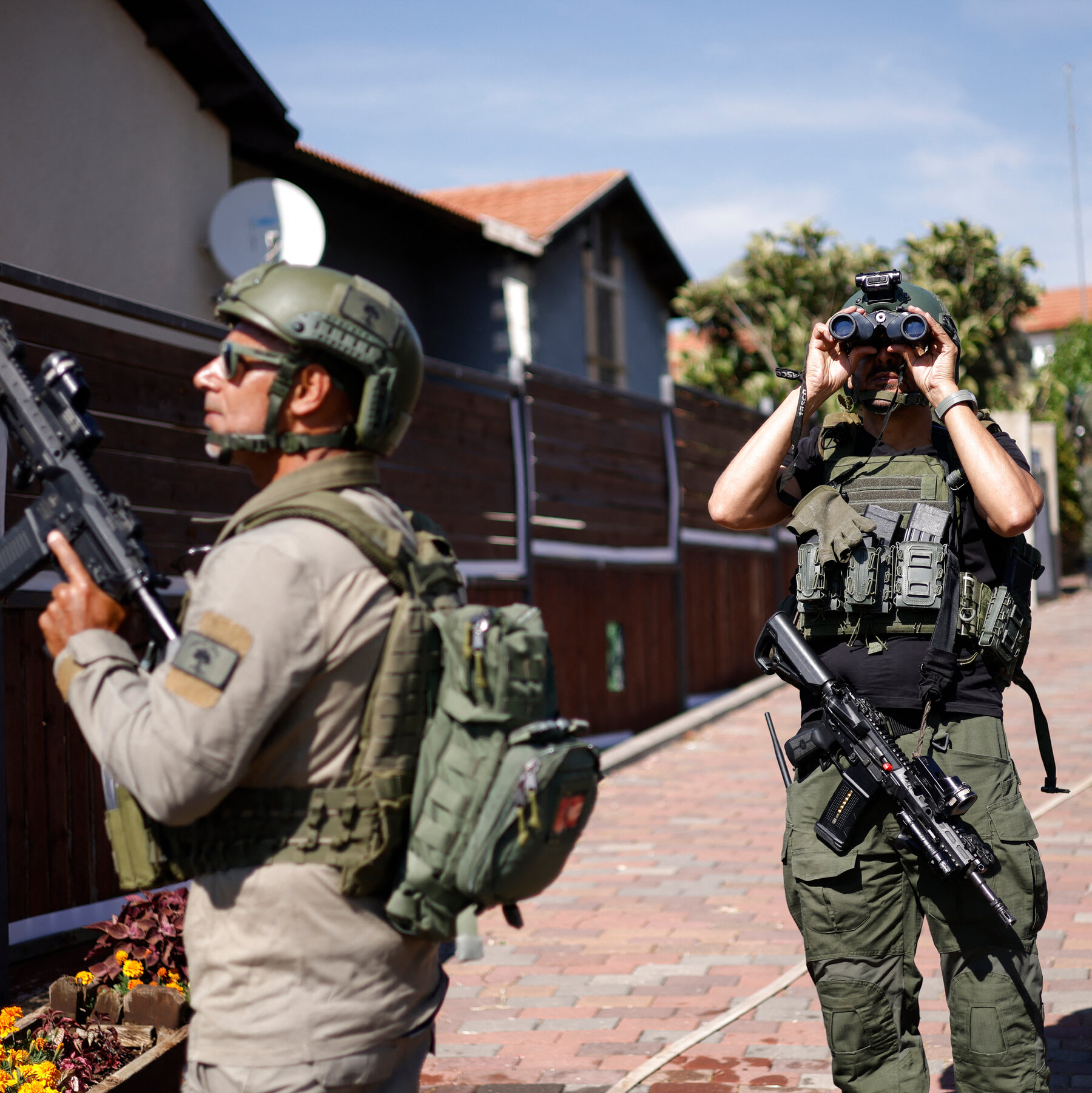
Hezbollah released footage on May 5, 2026, showing an FPV — first-person-view — drone striking an Israeli Merkava main battle tank in the Qouzah area of southern Lebanon at 07:00 UTC. A second strike, also attributed to Hezbollah, targeted an IDF Caterpillar D9 armored bulldozer in the same operational zone. The announcements, published to the group's official media channels, were catalogued by open-source intelligence feeds within the hour. The Merkava, a four-man tank weighing over 60 tonnes and representing the cornerstone of Israeli ground operations doctrine, had until recently been considered among the most survivable armored platforms in the region.
The Drone That Changed the Equation
The Qouzah strike is not an isolated incident. It is the latest in a succession of FPV deployments that have reshaped tactical calculations across multiple conflict zones over the past three years. What makes this class of weapon structurally significant is not its sophistication — FPV drones are commercially manufactured, require a modest investment, and can be operated with weeks rather than months of training — but its economics. A $400 commercial quadcopter rigged with a shaped charge can disable or destroy a platform that cost defense ministries tens of millions of dollars to procure and field.
Hezbollah has invested consistently in drone capability since the 2006 Lebanon war, but the current generation of FPV systems represents a qualitative leap. The group has demonstrated the ability to conduct reconnaissance, adjust aim in real time, and strike moving armored vehicles — capabilities that were theoretical in earlier iterations of the technology.
Israeli forces have faced FPV threats before, and the IDF has developed counter-drone measures including electronic jamming and kinetic interception systems. But the geometry of the threat keeps shifting. FPV operators can coordinate from positions kilometres behind the line of contact, using terrain and civilian infrastructure for cover. Detection windows are measured in seconds.
What Main Battle Tanks Are Up Against
The Merkava was designed around a specific threat model: anti-tank guided missiles, rocket-propelled grenades, and improvised explosive devices. Those threats travel in predictable arcs, trigger signature warning systems, and can often be defeated by reactive armor or active protection suites. An FPV drone behaves differently. It hovers, adjusts, and descends. Its attack profile is not ballistic but aerodynamic — more akin to a loitering munition than to a traditional anti-tank round.
The strike against the D9 bulldozer complicates the picture further. Engineering vehicles are typically less protected than front-line tanks, but they operate in the same contested spaces. The implication is that no category of ground equipment is categorically safe from precision drone strikes.
Israeli military spokespeople have not commented on the specific strike at the time of publication. The footage circulating online has not been independently verified by Monexus, though the operational details — the target class, the timing, and the claimed location — are consistent with patterns documented in previous Hezbollah FPV operations.
The Structural Shift in Play
What this episode points toward, more than any single incident, is a structural transformation in the cost calculus of armored warfare. The historical logic of heavy armor rested on a simple proposition: invest heavily in protection, and that investment buys survivability. The logic held as long as threats arrived from predictable vectors and required comparable investment to defeat.
Commercial drone technology has severed that connection. An FPV swarm costs hundreds of dollars per unit to assemble. A single successful strike against a Merkava imposes losses in equipment, trained crew, and operational tempo that vastly outweigh the attacker's investment. Defense ministries that spent decades designing armored doctrines around the survivability of main battle tanks are now confronting the possibility that their core platforms carry an unpriced vulnerability.
This is not unique to the Israel-Lebanon context. Ukrainian forces have used FPV drones extensively against Russian armor. Non-state actors across the Middle East and North Africa have adopted the technology with relatively short learning curves. The pattern is consistent: cheaper, smaller, and more numerous systems are eroding the protective advantage of expensive, heavy, and relatively few platforms.
Stakes and What Comes Next
The immediate stakes are operational. Israeli forces will need to adjust the tempo and geometry of ground operations in southern Lebanon if FPV saturation becomes the norm rather than the exception. That adjustment likely involves greater reliance on electronic warfare, dedicated counter-drone units, and possibly vehicle-mounted active protection systems tuned for low-altitude, slow-moving threats.
The longer-term stakes are strategic. If precision drone strikes become a routine feature of the battlespace, the barrier to effective ground operations rises for all parties — but disproportionately for those who invested most heavily in conventional armored superiority. The balance of power between state militaries and non-state actors does not shift uniformly, but it does shift in ways that complicate the planning assumptions of the former.
Hezbollah's ability to sustain FPV operations will depend on supply chains, training pipelines, and the durability of its command-and-control infrastructure under pressure. Those are open questions. What is not in question is that the technology has arrived, is operationally deployed, and is being used effectively. The rules of armored warfare are being rewritten in real time, in Qouzah and in conflict zones across the world.
This publication covered the May 5 Hezbollah FPV strike through open-source monitoring of the group's media releases and affiliated intelligence feeds. No Israeli military confirmation was available at time of publication.
Wire provenance
This editorial synthesis draws on the following public wire/social posts:
- https://t.me/GeoPWatch/12438
- https://t.me/GeoPWatch/12435