Insurance Premiums Surge for Tankers Transiting Strait of Hormuz as Market Absorbs Risk Premium
Insurance costs for vessels carrying crude oil through the Strait of Hormuz have risen sharply, according to industry sources, raising questions about the durability of the recent reduction in geopolitical risk pricing that followed last year's Iran–Western diplomatic thaw.
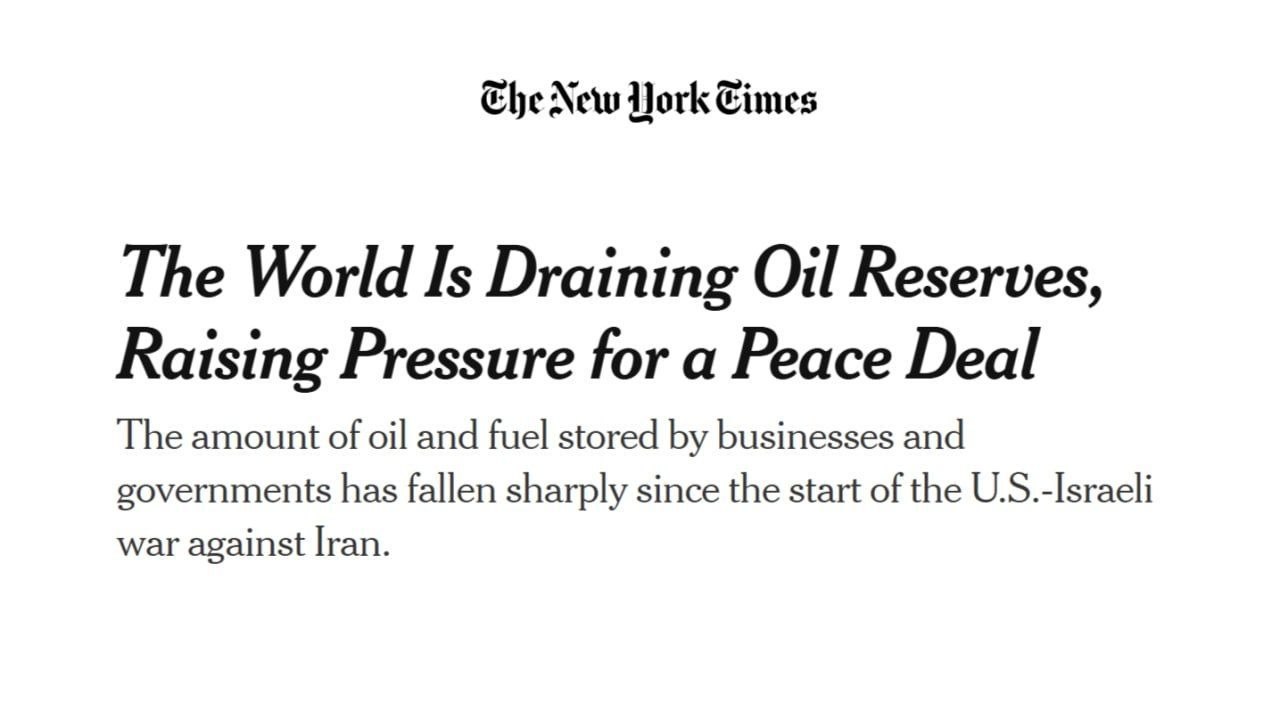
The cost of insuring oil tankers passing through the Strait of Hormuz has risen materially, according to Marcus Baker, global head of marine, cargo and logistics at insurance broker and risk adviser Marsh Risk. The increase, which Baker described as having occurred several times over recent months, reflects a reassessment of the risk environment in the Gulf by underwriters assessing the combined weight of unresolved regional tensions and broader global instability, Middle East Eye reported on 5 May 2026. Baker told the outlet it would take a few days before the full shape of the insurance market's reaction became clear.
The Strait of Hormuz, the narrow waterway separating Oman from Iran through which roughly a fifth of the world's daily oil output passes, has long functioned as a geopolitical stress barometer for energy markets. Insurance premiums on vessels traversing the passage had compressed significantly in the aftermath of the 2025 Iran–Western nuclear negotiations, when a reduction in immediate confrontation risk brought lower risk pricing from maritime underwriters. The reversal now underway, if sustained, carries direct implications for tanker economics and, ultimately, for the delivered cost of crude to refineries in Asia and Europe.
A Market Finding Its Price
The mechanism is straightforward: underwriters price political risk alongside navigational hazard. When the probability of interdiction, seizure, or armed incident rises in their actuarial models, premiums climb to reflect the expected cost of claims. The increases Baker cited suggest that Hull and Machinery underwriters, and those covering Protection and Indemnity risks, are rebuilding a geopolitical premium that had been substantially unwound during the de-escalation period. The precise scale of the increases is not yet public, and Marsh declined to provide specific figures beyond Baker's characterisation of repeated adjustments.
This matters for tanker operators in a practical sense. A vessel carrying two million barrels of crude from the Arabian Gulf to South Korea or Rotterdam faces base insurance costs tied to hull value, vessel age, and flag state. The Hormuz premium sits on top of that baseline as a geographic surcharge. If that surcharge doubles or triples across a fleet, the operating cost per voyage rises accordingly. For very large crude carriers making multiple Hormuz transits annually, even a five-figure daily increase compounds into material annual expense.
The War Context and Residual Risk Pricing
The word "war" in Baker's remarks—reported via Farsna on 5 May 2026—carries some ambiguity in the sourcing. It could reference the broader Middle Eastern security deterioration that has accompanied the Gaza conflict and its regional spillover effects, or the ways in which the Russia–Ukraine conflict has reshuffled global energy flows and redirected naval and commercial attention. What is clear is that insurers are no longer pricing Hormuz transits on the optimistic assumptions that prevailed during the 2025 diplomatic opening.
That diplomatic thaw produced real reductions in the immediate risk of Iranian interdiction of commercial shipping. It did not resolve the underlying structural tensions: Iran's nuclear programme continues, US naval presence in the Gulf remains substantial, and the broader Israel–Iran adversarial relationship—with its periodic exchanges of tit-for-tat strikes—never fully stabilized. Insurers, who by necessity must price five-year exposure windows rather than weekly news cycles, appear to be treating the combined residual risk as higher than the market had recently been accounting for.
The Chokepoint Premium as Signal
There is a broader pattern in the way insurance markets process geopolitical friction. The Strait of Hormuz, the Bab el-Mandeb, the Suez Canal approaches, and the Black Sea shipping lanes all function as pricing nodes where political risk becomes legible as a commercial number. When underwriters broadly conclude that a corridor is more dangerous, the premium increase acts as an early-warning signal of supply chain stress that manifests in commodity markets weeks or months later.
For energy economists tracking the Strait, the insurance signal is significant precisely because it is produced by institutions with capital at risk. Insurers are not commentary markets; they are liability markets. Their pricing encodes a cold-eyed assessment of what they would have to pay out if a particular scenario materialised. The fact that Marsh's maritime director is commenting publicly at all suggests the repricing has reached a threshold where industry participants regard it as a defining feature of the current operating environment rather than a transient fluctuation.
Forward View: Stabilisation or Escalation
Whether the current premium level holds depends on several variables. A further reduction in Gulf tensions—through renewed diplomatic signalling, naval de-confliction protocols, or simply a quiet period without maritime incidents—could prompt underwriters to unwind the increases in relatively short order. Conversely, a single high-profile seizure, missile incident, or shadow war escalation would likely accelerate the repricing sharply.
For now, Baker's assessment that the market needs a few days to find equilibrium reflects genuine uncertainty rather than diplomatic caution. The industry is in a data-gathering phase, monitoring vessel movements, flag registrations, and commercial behaviour to calibrate how shipowners and charterers are responding to higher costs. If operators begin rerouting vessels around the Cape of Good Hope to avoid the Hormuz premium entirely, the strait's traffic volumes—and the risk pool that underwriters are pricing—will shift in ways that themselves reshape the insurance calculus.
This publication reported the Marsh Risk comments directly from the firm's statements, without adding estimates of premium percentage increases not present in the source material. The precise scale of the repricing and its precise drivers remain matters on which the sources offer directional rather than quantitative guidance.
Wire provenance
This editorial synthesis draws on the following public wire/social posts:
- https://t.me/farsna/
- https://x.com/MiddleEastEye/status/1920489271980478768