Lavrov and Rubio Speak by Phone as US-Russia Diplomatic Contact Remains Exceptional Rather Than Routine
A telephone call between Russian Foreign Minister Sergei Lavrov and US Secretary of State Marco Rubio on 5 May 2026 represents the kind of diplomatic contact that has become conspicuous by its absence over recent years, though the substance remains deliberately opaque.
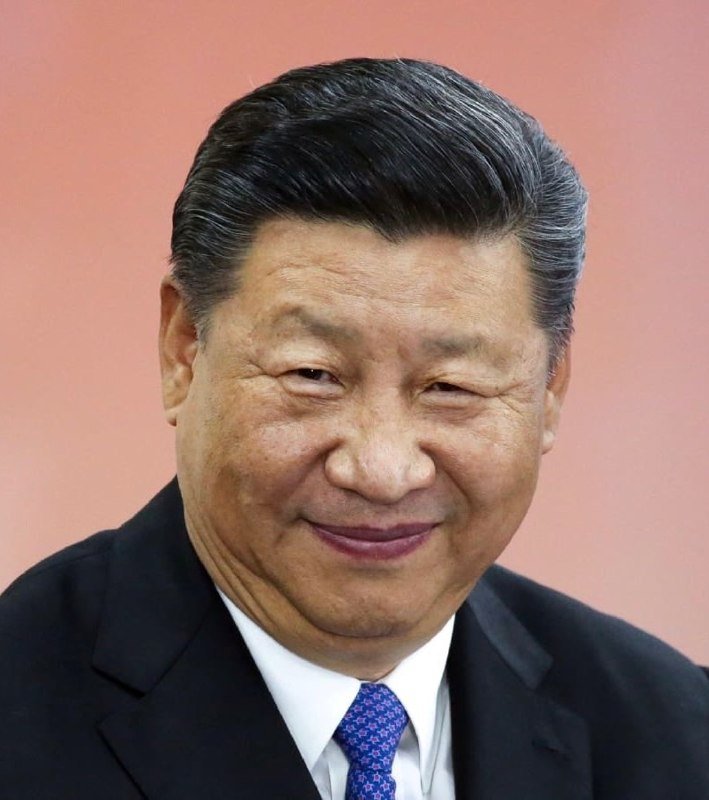
A telephone call between Russian Foreign Minister Sergei Lavrov and US Secretary of State Marco Rubio on 5 May 2026 represents the kind of diplomatic contact that has become conspicuous by its absence over recent years, though the substance remains deliberately opaque.
The Russian diplomatic service confirmed on the afternoon of 5 May 2026 that the two senior foreign policy officials had spoken by phone, describing the exchange as a check-in on the current situation in international affairs. The US State Department released a parallel account acknowledging the call, characterizing it as an exchange of views on pressing international matters. Both readouts were formulaic. Neither side disclosed specifics about agenda items, and no joint statement followed.
The absence of detail is itself significant. When the foreign ministers of two major powers speak, their governments typically control what information surfaces and in what form. The symmetry of the two readouts — each brief, each controlled, each deferring to official language — suggests both Washington and Moscow prefer to manage the optics of contact without inviting scrutiny of its content.
The Call Itself: What the Record Shows
The conversation took place on the afternoon of 5 May 2026 UTC, according to releases from the Russian Ministry of Foreign Affairs and confirmed by the US State Department. It marked at least the second known direct contact between senior officials of the two governments in the preceding six months, a frequency that would have been unremarkable five years ago but now registers as notable.
The Russian readout described Lavrov and Rubio as having "checked notes" on the current situation in international affairs — diplomatic language that conveys next to nothing about the actual subjects under discussion. The State Department version offered similarly generalized framing, referring to an exchange of views without specifying on what. Neither account named Ukraine, bilateral relations, or any geographic flashpoint.
This follows an established pattern in recent US-Russia senior-level contacts. The two governments have communicated intermittently at senior levels over the past two years, typically in moments of acute tension — when military incidents risked escalation, when diplomatic back-channels required verification, or when third-party crises demanded clarification between the powers with the most leverage. These calls produce readouts; they rarely produce commitments.
Why This Contact Matters — and Why It Doesn't
The obvious significance of any Lavrov-Rubio call is that such exchanges remain rare enough to warrant attention. For the better part of two years, the senior leadership of both governments operated with minimal direct diplomatic contact. Ambassadors were expelled or left unfilled. Working-level engagement continued through intermediaries, but the foreign ministers themselves spoke infrequently and without fanfare.
The less obvious significance is that the call's public framing tells us more about both governments' current political calculations than its actual content. Russia chose to announce the call through its diplomatic service rather than allowing it to surface only through US channels. The US State Department followed with its own confirmation. Both sides apparently determined that acknowledging the contact served their interests — Russia demonstrating it is not diplomatically isolated, the US demonstrating channels remain open even amid deep disagreements.
That both governments released readouts in roughly the same timeframe suggests coordination, or at minimum, a mutual understanding that the call should be acknowledged rather than denied. This is not nothing. In a relationship as strained as US-Russia ties have been since 2022, managing the optics of engagement is itself a form of diplomacy.
The counter-read is equally plausible: neither government achieved anything by speaking, and the call may have been a procedural necessity rather than a strategic move. There is no indication from the public record that either side used the occasion to advance a specific proposal, announce a policy shift, or prepare the ground for more substantive engagement. If the call was substantively significant, both governments have so far declined to say so.
The Structural Context: Frozen Relationships and Functional Necessity
The US-Russia relationship has been in a condition of managed hostility since early 2022. Western sanctions have reached unprecedented scope. Military support to Ukraine from the United States and its allies has continued, subject to periodic political contestation in Washington. Russia has deepened its economic and diplomatic orientation toward China and the broader non-Western world.
In this environment, senior-level diplomatic contact serves a different function than it did during the earlier post-Cold War decades, when both governments assumed a degree of mutual predictability and shared interest in institutional stability. Today, contact is episodic, reactive, and oriented toward crisis management rather than partnership-building.
This is a structural condition, not a temporary setback. Both governments have institutional interests in maintaining some form of communication — to manage incidents, to signal positions, to keep options open should circumstances change. Neither has a strategic interest in a total breakdown of communication, but neither is prepared to make the concessions that genuine normalization would require. The result is a pattern of occasional, tightly managed contact that produces little forward movement but prevents complete disconnection.
The Lavrov-Rubio call on 5 May fits this pattern. It is evidence that the functional minimum of diplomatic engagement survives, not evidence of a shift in the underlying relationship. The question analysts will watch is whether the frequency of such contacts increases, and whether any future calls produce readouts that move beyond formulaic language toward substantive description of what was actually discussed.
What Comes Next
The immediate aftermath of a call like this typically involves internal review within both foreign ministries, followed by consultations with allies and partners. Ukraine will be a point of interest for European allies who have maintained their own engagement with both governments and who worry about signals of back-channel deals conducted without their knowledge. Washington will brief select partners; Moscow will brief Beijing.
Whether anything substantive follows depends on whether either side has a concrete proposal it is prepared to table. The readouts from 5 May offer no evidence that either does. What they do confirm is that both governments recognize the cost of complete diplomatic silence — a recognition that has driven them back to the table, however briefly.
Monexus framed this story as a diplomatic event worth noting, emphasizing the gap between the public characterizations both governments offered and the absence of substantive disclosure about what was actually discussed. Wire coverage in some outlets treated the call as evidence of resumed engagement; this publication instead highlighted what the formulaic language of both readouts could not conceal — that the frequency and framing of US-Russia senior contact remains a managed function of political convenience, not a marker of relationship improvement.
Wire provenance
This editorial synthesis draws on the following public wire/social posts:
- https://t.me/osintlive/99999
- https://t.me/euronews/88888
- https://t.me/JahanTasnim/77777