Mark Cuban Takes Aim at NFL's Top Pick With Indiana QB Recruitment
Dallas Mavericks owner and Indiana alumnus Mark Cuban has thrown his weight behind the Hoosiers' pursuit of transfer quarterback Fernando Mendoza, signaling ambitions that extend well beyond a typical season.
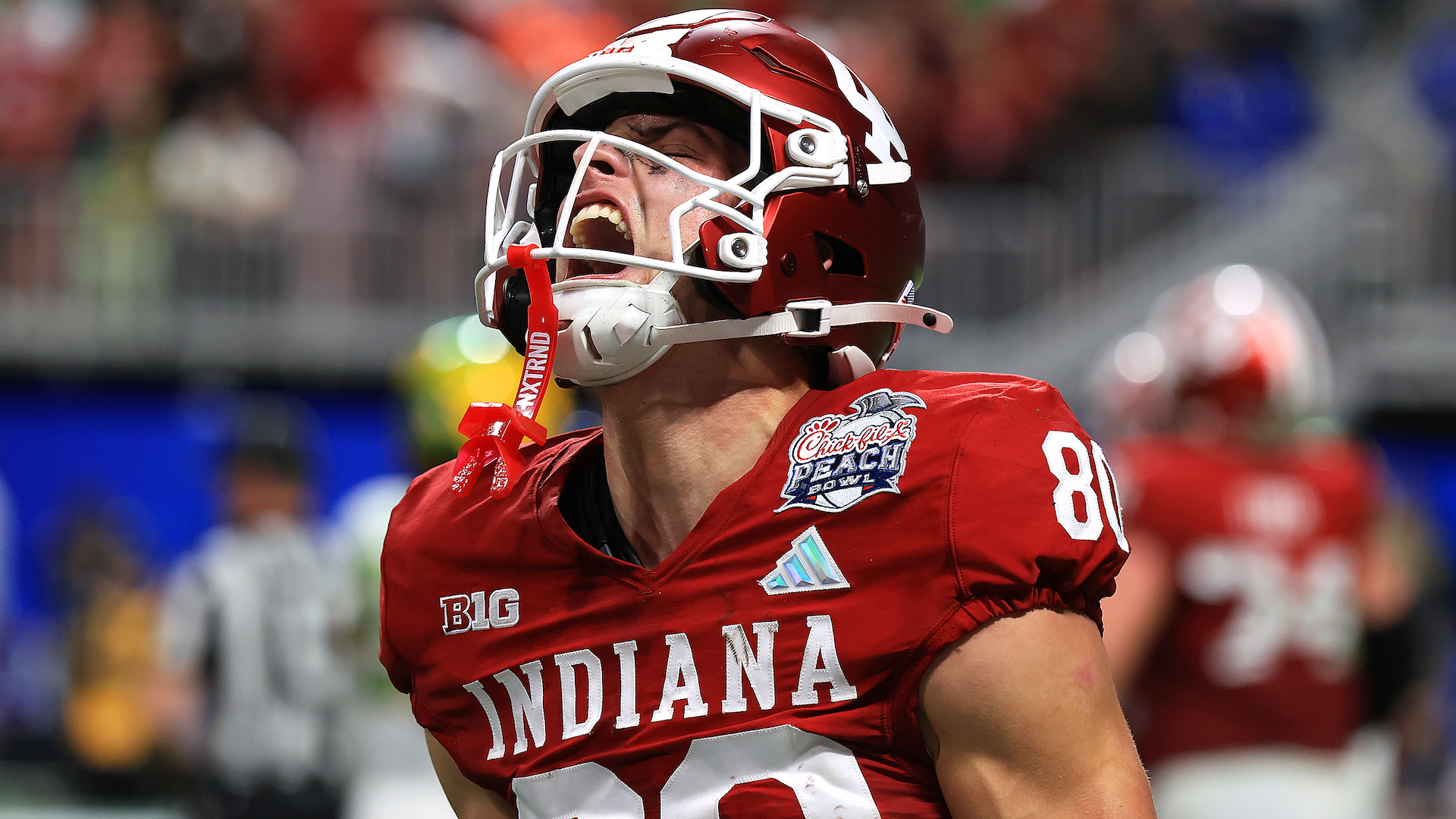
Mark Cuban has made no secret of his ambition to elevate Indiana University's football program. Now the Dallas Mavericks owner is putting his resources behind a quarterback transfer he believes can deliver something the Hoosiers have rarely seen: a national championship and a future first-overall NFL Draft pick.
On 5 May 2026, Cuban publicly outlined his strategy for landing Fernando Mendoza, a transfer quarterback with the kind of ceiling that attracts NFL scouts. The intervention marks a rare move by a major American sports figure into college football recruitment at the ownership level — an escalation beyond the NIL collective sponsorships that have reshaped the sport over the past several years.
Mendoza, who has entered the transfer portal, represents exactly the kind of acquisition that defines competitive programs in the current era. Quarterbacks with high draft upside have become the scarcest resource in college football, with recruiting battles increasingly decided by financial firepower and institutional pull rather than coaching relationships alone. Cuban's willingness to engage directly signals that he views Indiana's program as a genuine investment opportunity, not a vanity project.
A Familiar Playbook in an Unfamiliar Arena
Cuban has built his public persona around aggressive, win-at-all-costs competitiveness — first with the Dallas Mavericks, then through Shark Tank and his various media ventures. His approach to Indiana's quarterback search mirrors that reputation. Rather than deferring entirely to coaching staff and boosters, Cuban positioned himself as a visible advocate with the resources to close gaps that traditional NIL structures cannot.
The move places Indiana in a different category of competitor. Schools that can draw billionaire alumni into active recruiting roles gain advantages that go beyond financial inducements. They gain credibility with elite prospects, access to networks that coaches cannot reach, and a signal to the transfer portal that the institution is serious about winning at the highest levels. Whether that signal translates into on-field results depends on factors Cuban cannot directly control — coaching quality, player development, and the inevitable volatility of college football's transfer market.
Why Quarterbacks Change Everything
The transfer portal has compressed timelines for program transformation. A single elite quarterback can elevate a middling roster into a conference contender almost immediately, as evidenced by the rapid ascents several programs have achieved following high-profile quarterback acquisitions. That dynamic has made quarterback recruitment the singular priority for programs with championship ambitions, and it has elevated the stakes of every decision in the portal.
Mendoza's profile fits that mold. Cuban described him as a future national champion and potential first-overall pick — language that reveals what the Hoosiers are genuinely chasing. That is not a cautious projection; it is a statement of intent that sets a specific and demanding standard for what success looks like. Landing the quarterback is only the beginning. The program must then deliver the development, the surrounding talent, and the game management that converts a high-ceiling transfer into an NFL-caliber professional.
Indiana's football program has not competed at that level in recent memory. The university has historically struggled to generate the kind of national attention that attracts elite quarterback talent. Cuban's involvement changes the calculus in a specific way: it brings name recognition and perceived institutional seriousness that the program has previously lacked. Whether that changes the cultural dynamic of Indiana football — how coaches recruit, how players perceive the program, how the fanbase engages — remains to be seen.
The Structural Question
What Cuban is attempting to execute is, in structural terms, a venture capital approach to college athletics. He is identifying an asset — a quarterback with franchise-altering potential — and deploying personal capital and social capital to acquire it before competitors do. That model has worked in professional sports, where ownership groups routinely spend in excess of roster-building conventions to secure transformative talent.
The complication is that college football operates under a different set of constraints. NIL money is now central to recruiting, but it is not structured like a salary cap. There are no hard ceilings on what boosters can direct toward specific players, which creates an uneven competitive landscape where wealthy programs can essentially purchase roster advantages. Cuban operating openly in that space is consistent with the direction the sport has moved, but it also accelerates a dynamic where the richest programs capture an ever-larger share of elite talent.
Indiana was not previously in that tier. Whether Cuban's intervention alone can place them there depends on whether this is a one-time engagement or the opening move in a sustained, multi-year effort to rebuild the program's recruiting infrastructure. The quarterback transfer market is fluid; a single acquisition does not create durable competitive advantage unless it is supported by institutional systems that develop talent and retain it.
What Comes Next
The recruitment itself is not yet complete. Mendoza remains in the portal, and Indiana must still navigate the formal process of presenting itself as a destination. Cuban's public advocacy serves as an opening gambit — a signal to the quarterback's camp that the program has heavyweight support and the resources to meet his ambitions. The response from Mendoza's representatives will determine whether this moves to the next stage.
If Indiana lands him, the story becomes about whether the program can build around a centerpiece talent with championship expectations attached. If the recruitment fails, the episode still matters: it demonstrates that billionaire介入 is now a viable tool in college football, and it raises questions about what that means for the sport's competitive balance going forward.
Cuban has made his ambition explicit. The transfer portal will reveal whether that ambition has institutional support behind it, or whether the Hoosiers are simply the latest program to discover that landing a transformative quarterback requires more than a well-connected alumnus with deep pockets.
This publication covered the Mark Cuban recruitment story as a case study in how elite alumni are leveraging personal resources to reshape college football's transfer market — a dynamic that has accelerated dramatically since NIL structures opened the door to unrestricted booster spending.